
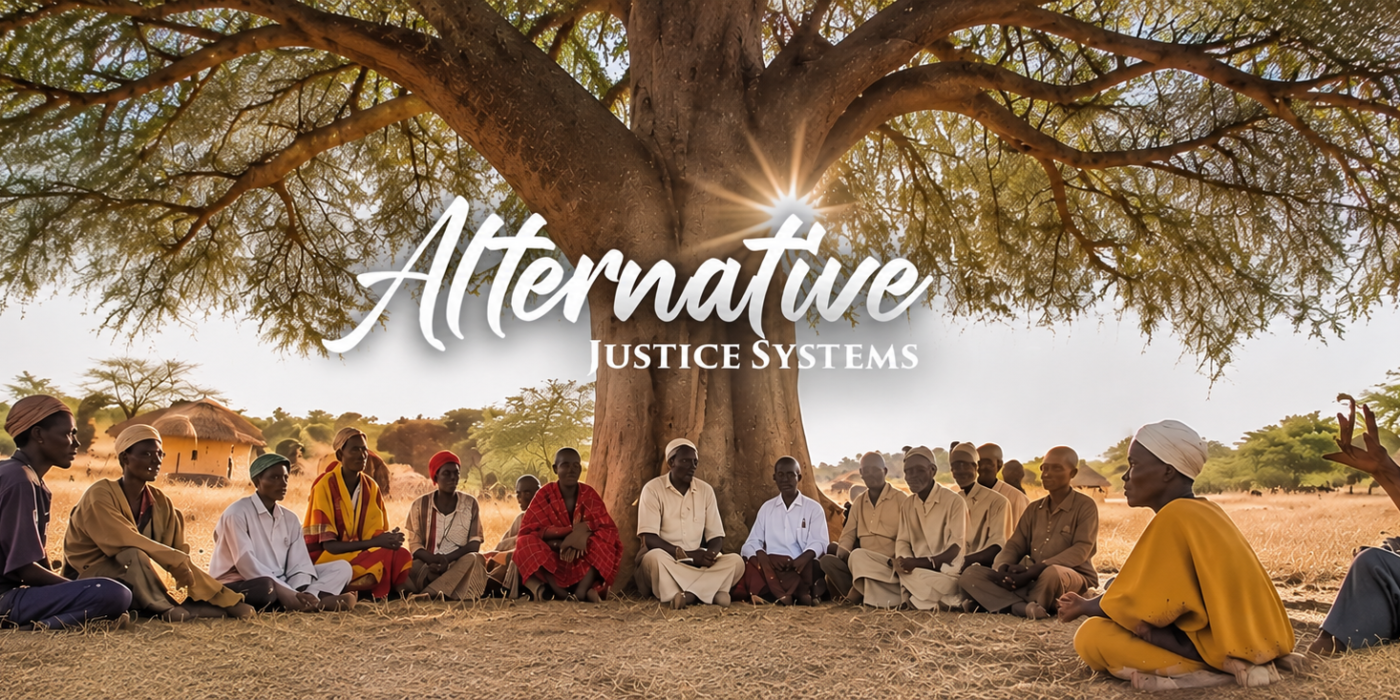
As Kenya marks ten years of Alternative Justice Systems (AJS), the milestone presents an opportunity to reflect on the progress made, but more importantly, to encourage greater public understanding and acceptance of AJS as an important pathway to justice. For a country where many people continue to face barriers accessing formal courts, embracing AJS is an opportunity to make justice more accessible, affordable, responsive and rooted in the realities of communities.
For many Kenyans, accessing justice through formal courts remains difficult due to high litigation costs, lengthy court processes, geographical barriers and limited legal awareness. These challenges often leave people unable to pursue justice or resolve disputes before they escalate. Yet, communities have historically relied on traditional mechanisms such as councils of elders, mediation, reconciliation and community dialogue to address disagreements, restore relationships and maintain social cohesion.
The Constitution of Kenya, 2010, under Article 159(2)(c), recognises alternative forms of dispute resolution, including reconciliation, mediation, arbitration and traditional dispute resolution mechanisms. This recognition provided the foundation for developing a structured national approach to AJS, culminating in the Alternative Justice Systems Policy Framework launched in August 2020.
Over the past decade, Kenya has made notable progress in institutionalising AJS. The development of a national policy framework, establishment of the National Steering Committee on the Implementation of the AJS Policy (NaSCI-AJS), creation of AJS suites and development of county action plans have strengthened the integration of community-based justice mechanisms into the country’s broader justice system.
However, the greater value of AJS lies in what it offers ordinary Kenyans. Unlike adversarial court processes, which often focus on determining legal liability, many AJS processes provide an opportunity for parties to listen to one another, address the underlying causes of disputes and find mutually acceptable solutions. This is particularly important in disputes involving families, neighbours, land, inheritance and community relationships, where resolving the immediate disagreement without addressing underlying tensions may leave relationships permanently damaged.
Kenyans need to embrace AJS because justice should not always end with one party winning and another losing. In many circumstances, the most meaningful outcome is one that allows people to reconcile, rebuild trust and continue living together peacefully. A family dispute resolved through dialogue can prevent years of separation; a community land disagreement addressed through mediation can prevent prolonged hostility; and a neighbourly dispute resolved through reconciliation can preserve relationships that formal litigation may further strain.
AJS also provides an opportunity to reduce the financial and practical burden associated with accessing formal justice. By bringing dispute resolution closer to communities, it can help people who cannot afford lengthy litigation or travel long distances to access courts. Its emphasis on dialogue, community participation and locally understood processes can make justice less intimidating and more accessible, particularly for people with limited knowledge of formal legal procedures.
Despite the progress made, significant gaps remain. Awareness of AJS is still limited in many communities, while implementation and institutional support vary across counties. The Judiciary, working closely with civil society organisations, legal aid providers, county governments, community-based organisations and other relevant agencies, must intensify public education and outreach across the country. Communities need to understand the available mechanisms, how to access them and the protections they are entitled to.
Continuous capacity building for AJS practitioners, paralegals and community justice actors is essential to ensure that AJS operates within constitutional and human rights standards. Practitioners must understand their mandate, recognise its limitations and know when disputes require legal assistance or referral to formal justice institutions, particularly those involving serious criminal offences, gender-based violence and violations of fundamental rights. Stronger collaboration with legal aid providers and formal justice institutions will help prevent harmful practices, protect the rights and dignity of all parties and make AJS more accessible, accountable and responsive to community needs.
As the country reflects on ten years of AJS, there is also a need to rethink how its impact is measured. Success should not be determined solely by the number of disputes resolved, cases handled or agreements reached. Greater attention should be given to whether peace has been restored in communities, families have been reconciled, relationships rebuilt, livelihoods protected and communities have developed lasting mechanisms for managing conflict. The real value of AJS lies in its ability to address the causes of disputes, prevent recurring conflict and strengthen peaceful coexistence.
The next decade calls for stronger community ownership, predictable financing, nationwide awareness, continuous capacity building, effective accountability and improved impact measurement. The Judiciary, government institutions, civil society organisations and development partners must strengthen their collaboration to ensure that AJS moves beyond policy commitments to sustainable implementation.
By: Rony Alal