
“What Magic, Exactly, Are Refugees Expected to Perform?”
Picture this. A young, ambitious, educated refugee sits across from a potential employer. They went to school here in Kenya. They studied the same curriculum as their Kenyan counterparts, sat the same exams and qualified, and have walked the same corridors searching for jobs. And yet the employer is required by law to prove that no Kenyan can do the job this refugee is applying for. The same job. The same skills. The same education system.
What magic, exactly, are they expected to perform?
This is not hypothetical. This is the daily reality for hundreds, if not thousands, of refugees in Kenya who want nothing more than to work legally, fairly, and with dignity, and contribute to the economy, but they find themselves blocked at every turn. Not by lack of ability or qualifications, but by a system that was not designed with them in mind, and has been too slow to change.

Their dreams are on hold. Their plans to build families, to innovate, to make meaningful life contributions are on hold. In the absence of decent, formal work and equal pay, many are pushed into exploitative arrangements just to get through each day. Others fall into despair. And all of this is happening at a time when humanitarian assistance is dwindling by the day. And the people caught in between are running out of options. And so, we ask ourselves, whose job is it to change this?
Section 28 of the Refugees Act 2021 is one of the most progressive provisions in refugee law in Africa. It expressly guarantees refugees the right to work. Kenya ratified the 1951 Refugee Convention, the Shirika Plan commits to socioeconomic integration and the Nairobi County Refugee Integration Strategy recognizes refugee documentation as valid. On paper, Kenya has made the promise. But in practice, the Kenya Citizenship and Immigration Act still requires employers to prove that no Kenyan can perform a job before a refugee can be hired for it. Ask yourself: how does a refugee who grew up in Kenya, or who fled to Kenya for safety, studied in Kenya, and knows no other (safe) home, how do they prove they have a special skill that a Kenyan cannot have, when they were taught by the same teachers, in the same schools, with the same curriculum? The Advocates Act, for instance, bars non-citizens from being admitted to the bar. The Engineers’ Rules restrict professional registration. Refugees are expected to produce passports from countries they fled, a document many never had, or lost, or cannot safely obtain.
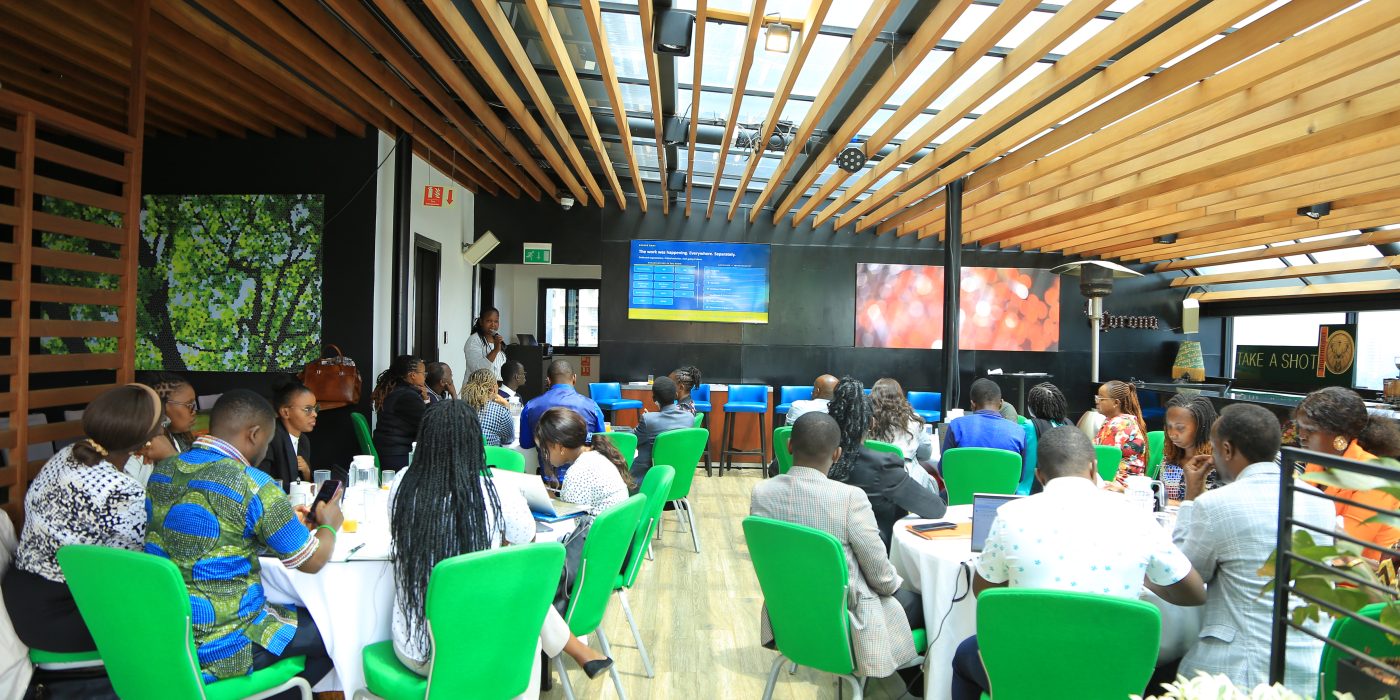
For years, many organizations across Kenya and beyond Africa had been doing genuinely good work on refugees’ right to work through litigation, research, advocacy and lobbying, as well as skills development and capacity building, with policymakers invited to multiple forums by different organizations; however, despite these sustained efforts, more still needed to be done to translate this work into the meaningful, lasting changes most sought by refugees.
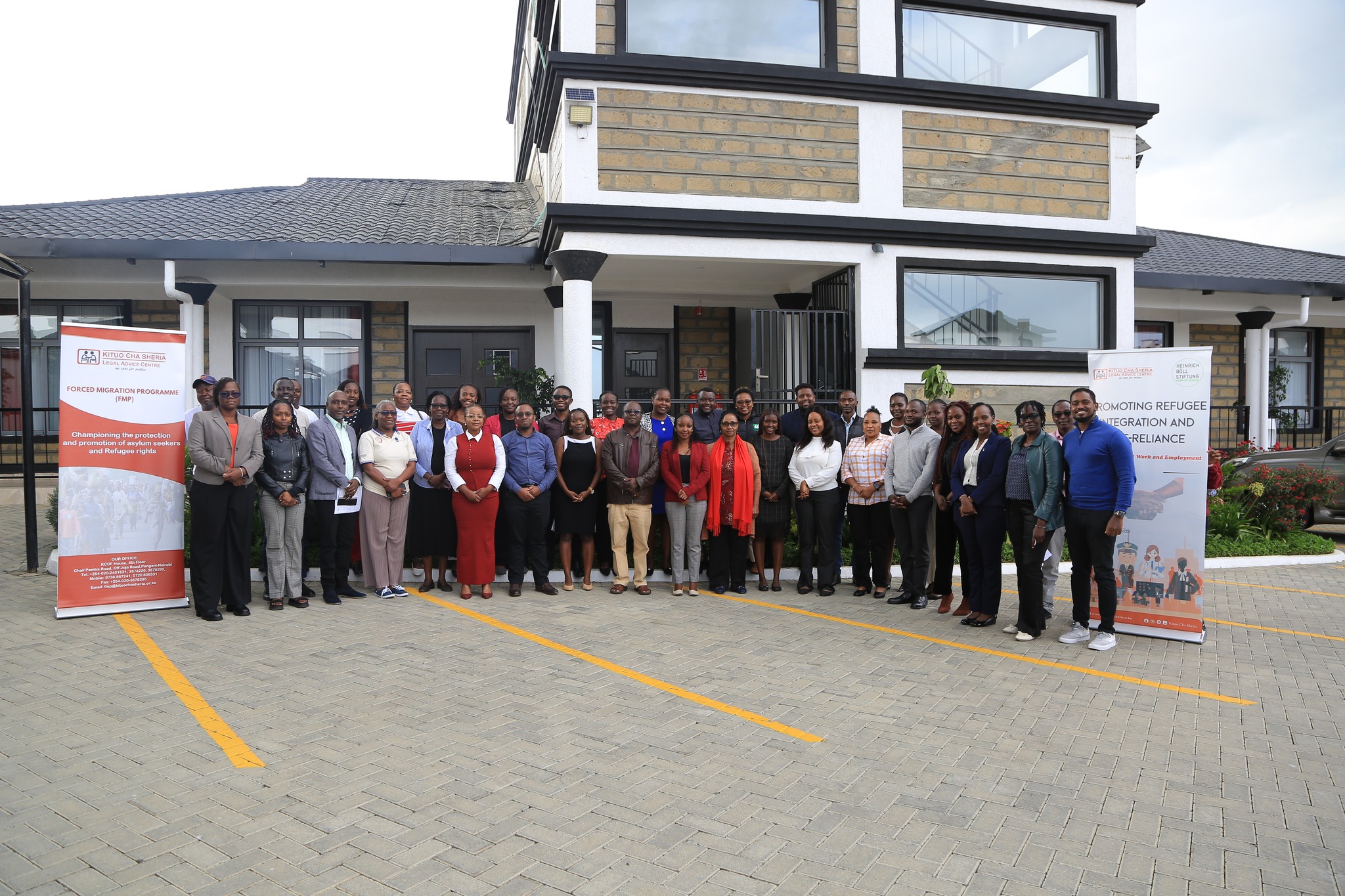
To drive more coordinated and impactful action, Refugee Access to Work and Inclusion – East Africa (RAWI–EA) was formed in 2025, a coalition of civil society organizations, refugee-led groups, academic institutions, communications experts, and policymakers, each bringing their unique expertise, each retaining their organizational autonomy but all united around one goal: making the right to decent work for refugees real, not just on paper.
RAWI exists to unlock access to decent work for refugees by addressing the systemic barriers that keep skilled and willing individuals on the margins. It focuses on those unable to access higher education or regulated professions, or forced into underpaid work due to lack of documentation, supporting their transition into dignified, productive livelihoods as contributors and taxpayers. At the same time, RAWI brings together change makers and organizations to align efforts, recognizing that meaningful progress requires coordinated action, not fragmented interventions.
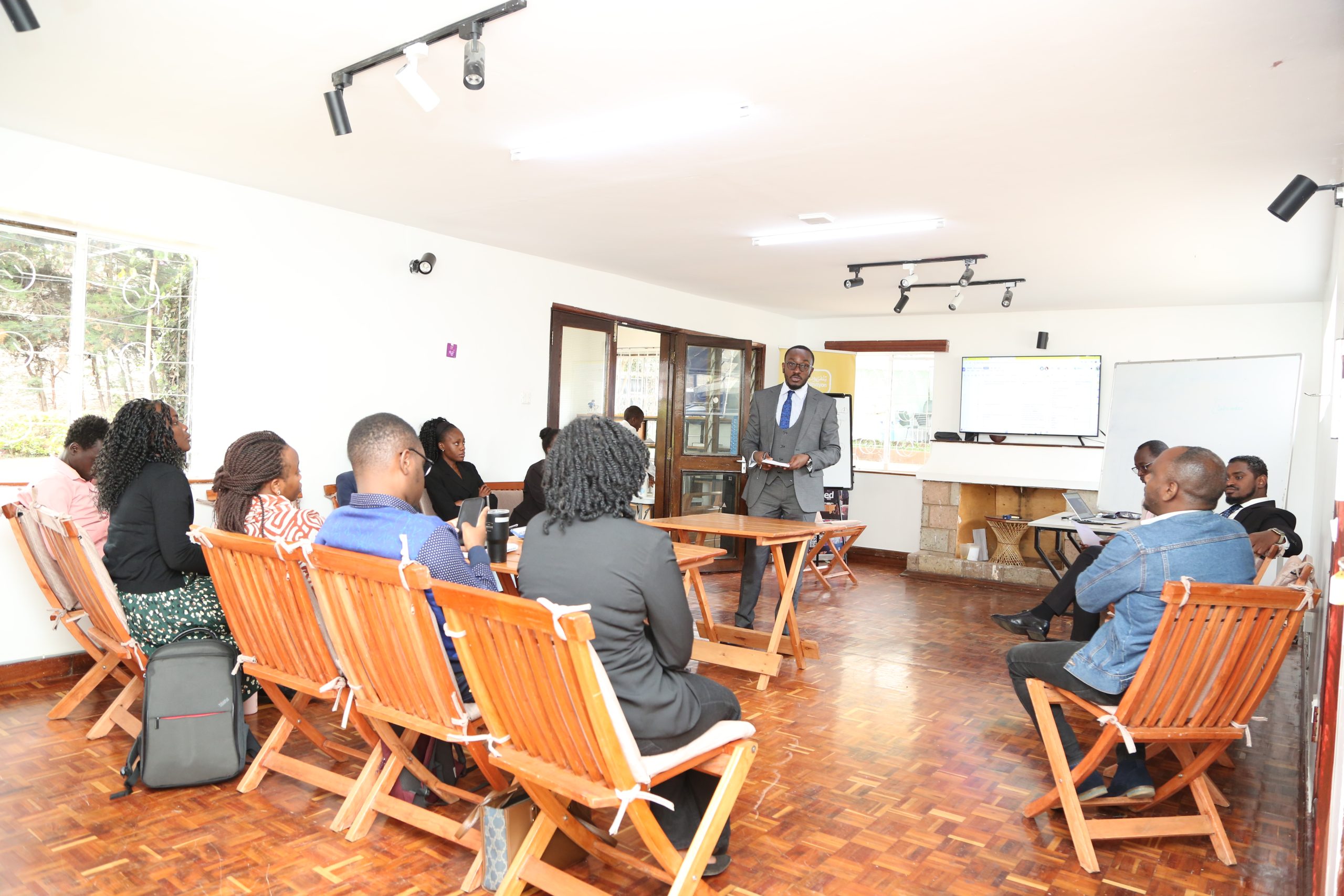
RAWI–EA’s greatest achievements include four refugee advocates admitted to the Bar, one refugee admitted to the Kenya School of Law, a public interest litigation, the first of its kind in East Africa, now moving through the courts. These are complemented by a groundbreaking legal and policy analysis that provides the evidence we need, and by employer forums where the question is no longer whether refugees should work, but how they can do so legally, decently, and under fair conditions. Importantly, we have secured concrete commitments from policymakers to work hand in hand with us.
RAWI’s momentum is real, but we cannot sustain it alone. We invite organizations, development partners, and refugee professionals to bring their knowledge, networks, and leadership to this coalition. Together, we can move as one, ensuring that the right to work under Section 28 of the Refugees Act 2021 becomes a reality for all refugees.
Join RAWI-EA, partner with us, or support our work. Contact the coalition secretariat at Kituo Cha Sheria: kemuma@kituochasheria.or.ke
The Author, Margaret Kemuma, is the Forced Migration Program Coordinator at Kituo Cha Sheria, the RAWI-EA Secretariat.