
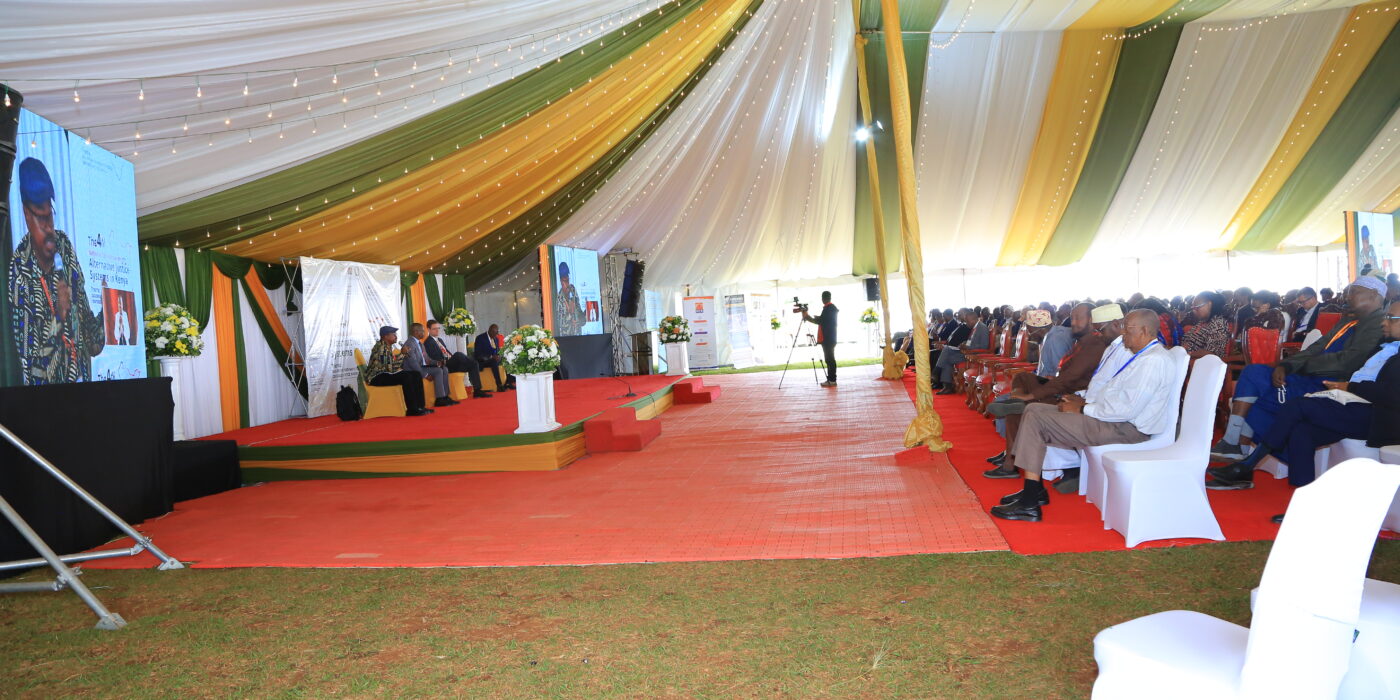
Justice systems are being called upon to answer a fundamental question: is justice truly achieved when a dispute is concluded, or when people’s lives, relationships, and communities are transformed? Across many communities, justice is experienced not only through court decisions but also through restored relationships, peaceful coexistence, dignity, and solutions that respond to everyday realities. This requires a broader understanding of justice, one that goes beyond the number of cases filed or concluded and focuses on whether people are heard, empowered, and able to access meaningful remedies.
At a time when justice systems across the world are increasingly challenged to respond to complex social realities, understanding who remains excluded, where justice gaps persist, and what interventions create lasting impact requires more than statistics. It requires listening to communities, analysing evidence, and recognising people as active participants in shaping justice solutions.
This is where Alternative Justice Systems (AJS) continue to play a critical role. By providing accessible, participatory, and community-driven approaches to resolving disputes, AJS offer important pathways for addressing justice gaps and ensuring that justice systems respond to the needs of the people they serve. However, strengthening these systems requires more than recognition; it requires evidence, lived experiences, innovation, and collaboration to understand what works and how justice outcomes can be measured.
These conversations formed part of the 4th Annual Alternative Justice Systems (AJS) Conference at Embu University, where Kituo Cha Sheria contributed to discussions drawing from decades of experience in legal empowerment, community justice, and advocacy for accessible and responsive justice systems. Through panel discussions, Movement Assemblies, and thematic convenings, Kituo shared perspectives on the role of data, community participation, paralegalism, technology, and Alternative Justice Systems in addressing justice gaps and strengthening people-centred pathways to justice.
Measuring Justice beyond Access
A key conversation during the conference focused on how justice should be measured. While traditional justice indicators have often focused on case numbers, disposal rates, and efficiency, stakeholders reflected on the need to examine whether justice processes are actually improving people’s lives, restoring relationships, and addressing the challenges communities face.
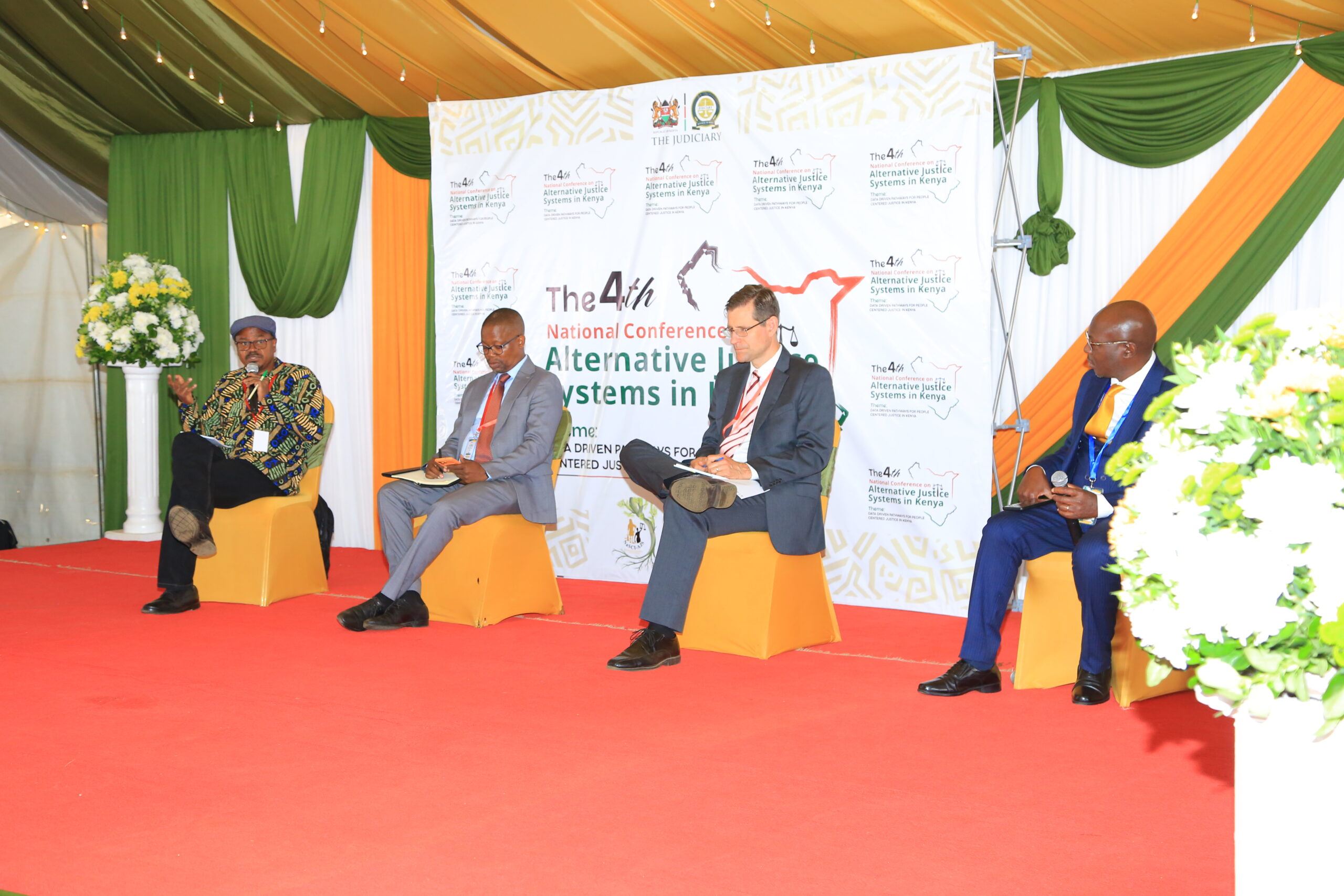
Kituo Cha Sheria Executive Director, Dr. Wambua Kituku, participated in a panel discussion on “Measuring Justice Realization and Justice Gaps,” where he highlighted the importance of moving beyond access to justice and focusing on meaningful justice outcomes.
Dr. Kituku emphasised that understanding justice needs requires reliable evidence that captures the experiences of communities, including those who remain excluded from formal justice pathways. He highlighted the need for stronger collaboration with institutions like the Kenya National Bureau of Statistics (KNBS) to integrate justice needs data into national census and survey processes.
“Access to justice is only the beginning. We must also understand whether justice is reaching those who need it most, whether their challenges are being addressed, and whether the solutions provided are improving their lives. Working with institutions like KNBS to integrate justice needs data into national census and survey processes is essential in identifying who is being left behind, where justice gaps exist, and how we can develop more responsive and inclusive justice solutions,” Dr. Kituku, Executive Director, Kituo Cha Sheria.
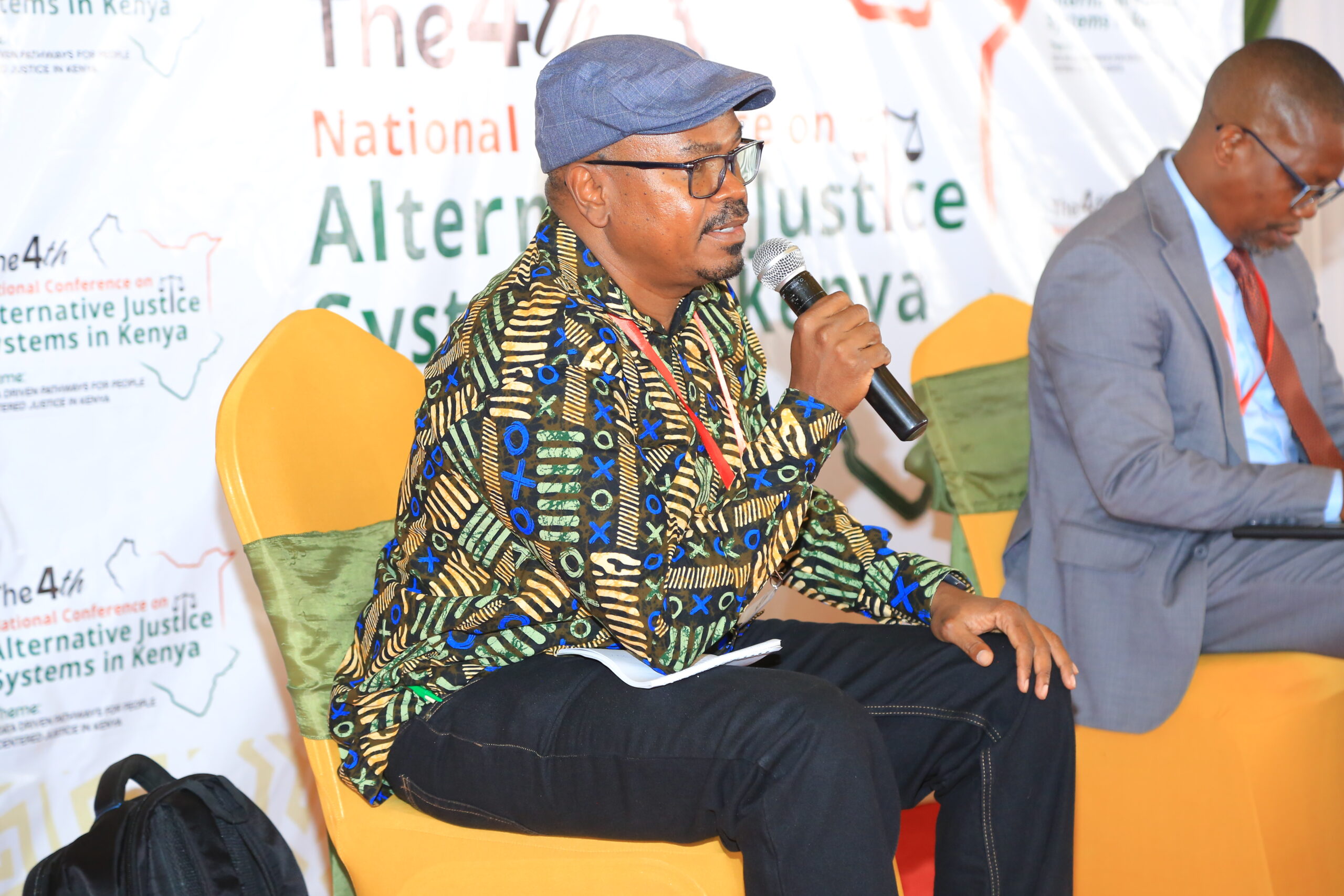
Drawing from Kituo’s work across Kenya, data must be complemented by community experiences. Understanding how people experience justice challenges on the ground is critical in shaping legal empowerment programmes and ensuring that justice interventions respond to real needs rather than assumptions.
Community-Centred Solutions for Land Justice
The role of community participation in justice delivery was further explored through discussions on Land Justice, where Programme Officer Patricia Nekoye highlighted the importance of equitable access to land, inclusive dispute resolution, and the contribution of Alternative Justice Systems in addressing land-related conflicts.

Land disputes often involve more than legal claims; they affect livelihoods, family relationships, identity, and community stability. Through community-based approaches, AJS provides opportunities for disputes to be resolved in ways that promote dialogue, participation, and peaceful coexistence.
“Land disputes are often about more than ownership; they affect livelihoods, identity, and community cohesion. Alternative Justice Systems provide an opportunity to resolve these conflicts in ways that promote fairness, participation, and lasting peace,” Patricia Nekoye, Programme Officer, Kituo Cha Sheria.
Strengthening Justice through Community Paralegals
Communities cannot meaningfully participate in justice processes without knowledge, support, and access to information. This is why community paralegals remain central to advancing people-centred justice, particularly for marginalised populations.
During discussions on Social Justice and Paralegalism, Programme Officer Joy Nasike highlighted the critical role of community paralegals in bridging the gap between communities and formal legal systems through legal awareness, rights education, and support in resolving disputes. She noted that through its legal empowerment approach, Kituo equips paralegals and communities with knowledge and skills to better understand their rights, navigate justice systems, and advocate for solutions that respond to their realities.
“Community paralegals are the bridge between the law and the people. By equipping communities with legal knowledge and support, we empower them to know the law, use the law, and shape the law; enabling individuals to understand their rights, seek remedies, participate in justice processes, and resolve disputes before they escalate,” Joy Nasike, Programme Officer, Kituo Cha Sheria.

For Kituo, community paralegalism remains a key pillar of legal empowerment, enabling communities to participate actively in justice processes and advocate for solutions that reflect their realities.
Harnessing Technology to strengthen AJS
As justice systems continue to evolve, technology presents new opportunities to improve access, documentation, coordination, and knowledge sharing. However, innovation must remain grounded in the needs of communities and complement existing justice mechanisms.
During discussions on Technology in Alternative Justice Systems, Jimmy Sayi explored how digital tools can strengthen justice delivery through improved case management, documentation, information sharing, and wider public engagement.
“Technology should not replace community-based justice; it should strengthen it. Digital tools can improve documentation, case management, knowledge sharing, and public engagement, making justice systems more accessible and responsive to the needs of the people they serve,” Jimmy Sayi, Programme Officer, Kituo Cha Sheria.
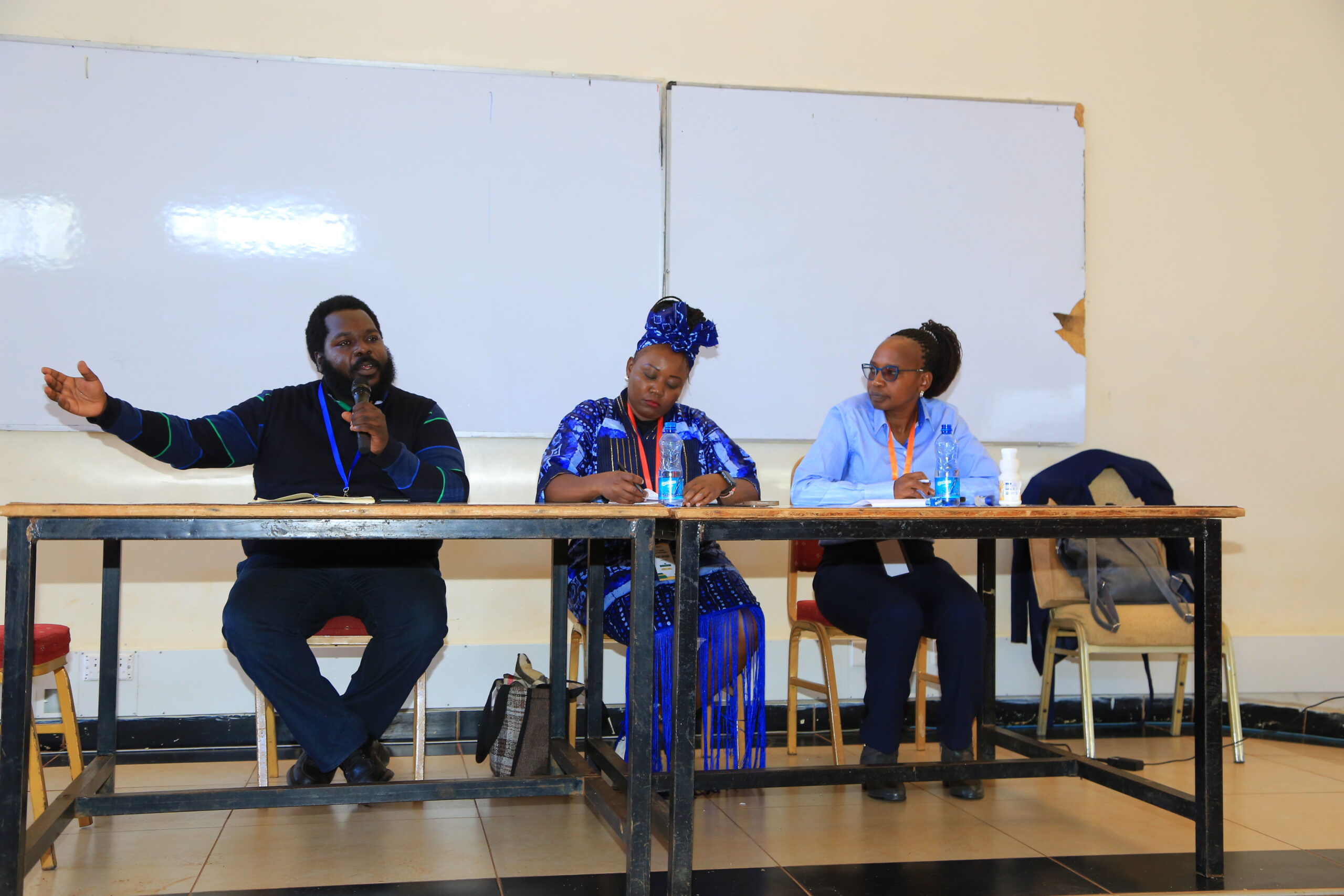
Strengthening Alternative Justice Systems requires a combination of evidence, community knowledge, innovation, and collaboration. While measuring cases resolved remains important, the true impact of justice is also reflected in restored relationships, empowered communities, and solutions that prevent future conflicts.
The future of justice requires systems that do not only respond when disputes arise but also understand the conditions that create justice gaps and develop approaches that address them. AJS provides an opportunity to build justice pathways that are accessible, inclusive, and connected to the realities of communities.
By Rony Alal
Communications Officer, Kituo Cha Sheria