High Court Dismisses Petition by 1998 Nairobi Bomb Blast Victims Seeking State Compensation

The High Court of Kenya has dismissed a petition filed by Kituo Cha Sheria on behalf of survivors and families affected by the August 7, 1998 terrorist bombing of the United States Embassy in Nairobi, ruling that the case lacked sufficient legal merit.

The attack remains one of Kenya’s deadliest terror incidents, killing over 200 people both Kenyans and foreigners and injuring more than 4,000 others. Many survivors sustained life-altering injuries, including blindness, deafness, and severe bone and muscle damage.

The petition, filed in 2021 under case number HCCHRPET/E166/2021, sought compensation from the Government of Kenya. Kituo Cha Sheria moved to court more than two decades after the attack after survivors and affected families, citing lack of legal knowledge and representation at the time, approached the organization for legal assistance.

The matter was heard before Hon. Justice Lawrence Mugambi. Judgment, initially scheduled for November 7, 2025 and later postponed to January 15, 2026, was delivered on January 28, 2026.

In their submissions, the petitioners sought not only compensation but also recognition of their suffering and accountability from the state. They argued that the government failed in its constitutional duty to protect its citizens and that many victims had never received meaningful support despite the immense loss of life, lifelong injuries, and psychological trauma caused by the attack.

In dismissing the petition, the court held that the petitioners failed to demonstrate that the government had prior knowledge or actionable intelligence that could have enabled it to prevent the bombing. Justice Mugambi noted that while the petition relied on several reports, the authors of those documents did not appear in court to testify, rendering the evidence hearsay and legally inadmissible.

“It cannot be established, on the basis of the material placed before this court, that the government was aware of the attack or that it failed to act on any intelligence,” the judge ruled.

The court further observed that there was no evidence showing that the United States government faulted Kenya for failing to prevent the attack. While acknowledging the gravity of the victims’ suffering, the court emphasized that sympathy could not replace the strict legal requirement for credible and admissible evidence. The burden of proof, Justice Mugambi held, lay with the petitioners a threshold the court found had not been met.

As a result, the petition was dismissed, leaving victims and their families with renewed disappointment and unresolved questions more than 25 years after the tragedy.

Kituo Cha Sheria counsel John Mwariri (in a blue suit) addressing the media after the court ruling.

Kituo Cha Sheria, through its counsel John Mwariri, expressed disappointment with the ruling and indicated that the organization would pursue the matter before a superior court. Reaffirming its commitment to the survivors and affected families, he said:

“We respect the ruling, but we do not agree with it. Our clients have gone through a lot, and some have even passed away this week after a long struggle. We tabled all the evidence before the court, but we are deeply disappointed. We will pursue this matter in the superior courts.”

For survivors and families who lost loved ones, the ruling went beyond a legal determination, reopening wounds that have remained raw for over 25 years. Some survivors told the court of years of living with disabilities, mounting medical expenses, and lost livelihoods, while families of the deceased said their grief had been compounded by what they view as prolonged neglect by the state.

By; Rony Alal

Catalyzing Policy Reform for Refugees’ Right to Work in Kenya

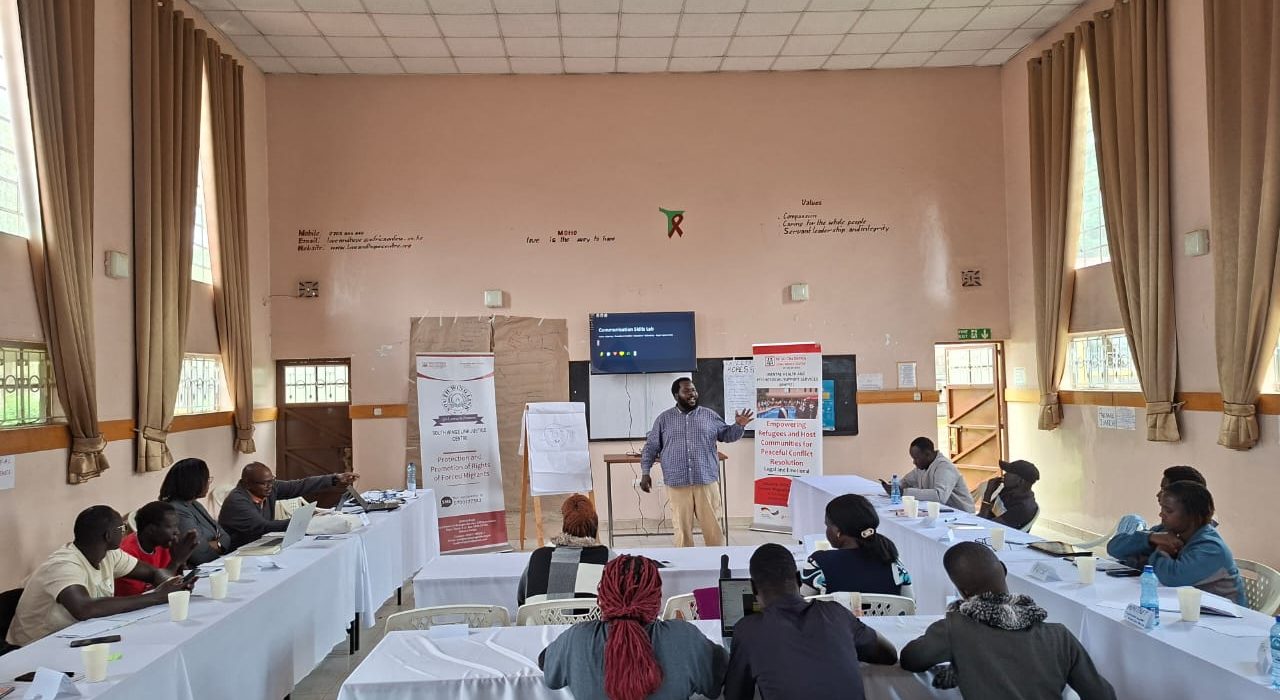
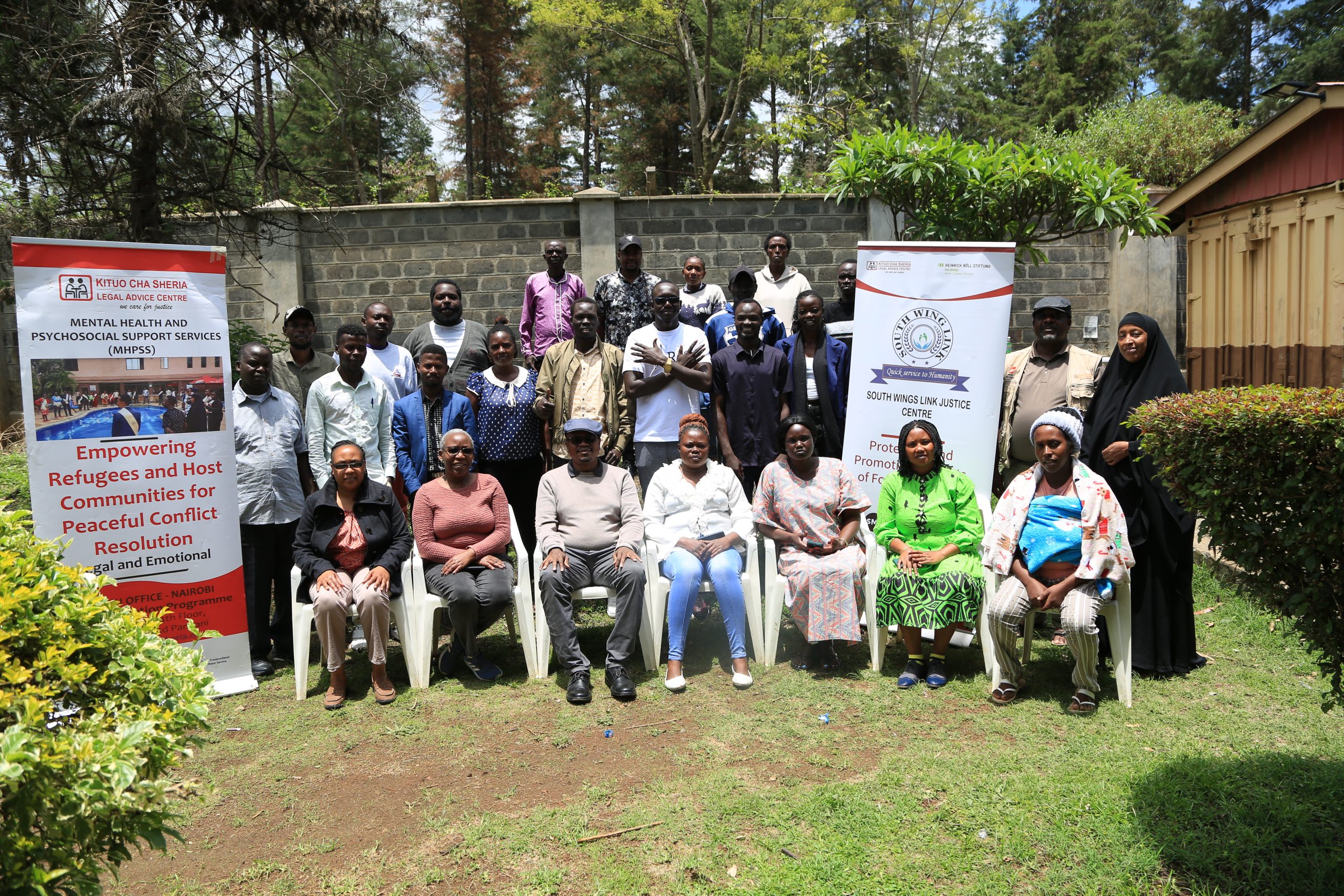
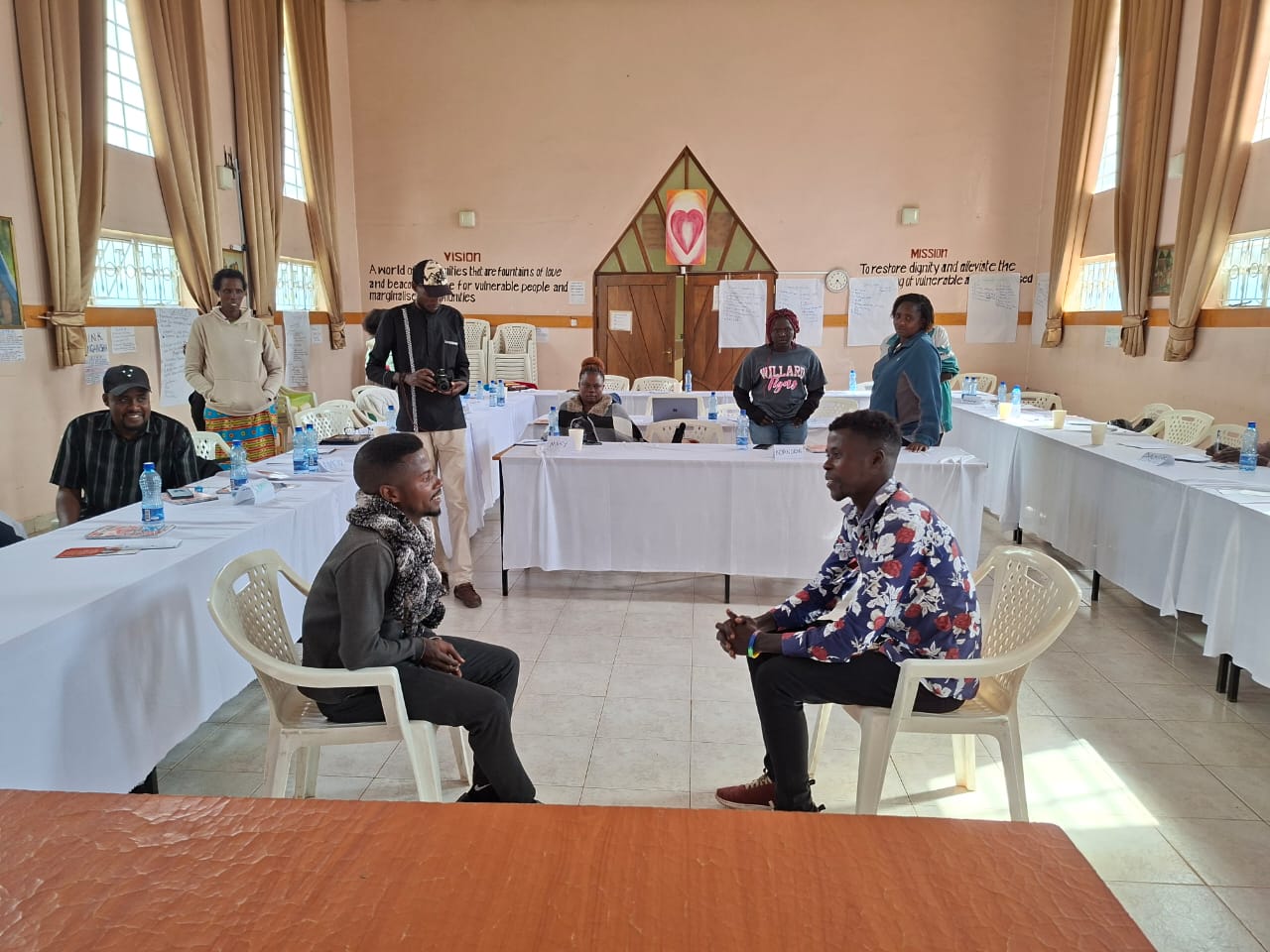
Kenya’s refugee landscape is at a pivotal moment. With over 860,000 refugees and asylum seekers residing in the country, the need to translate progressive legal frameworks into practical, lived realities has never been more urgent. In quest to find a solution, Kituo cha Sheria convened the “Empowering Refugees: Catalyzing Policy Reform for Refugees’ Right to Work in Kenya” two-day workshop in Naivasha, supported by Heinrich Böll Stiftung, Horn of Africa, where stakeholders unpacked new research conducted by Kituo cha Sheria on promoting refugees’ integration and self-reliance, shared evidence from the field, and charted pathways toward meaningful policy reform.

The workshop highlighted a fundamental contradiction: while Kenya has advanced a more inclusive legal environment anchored in Constitutional guarantees and the Refugees Act, refugees continue to face systemic barriers that prevent them from securing dignified work. The research presented unpacked gaps between law and practice, pointing to contradictions within the Immigration Act, restrictive encampment policies, and delays in documentation, inadequate labour protections, and the absence of clear pathways for skills recognition.

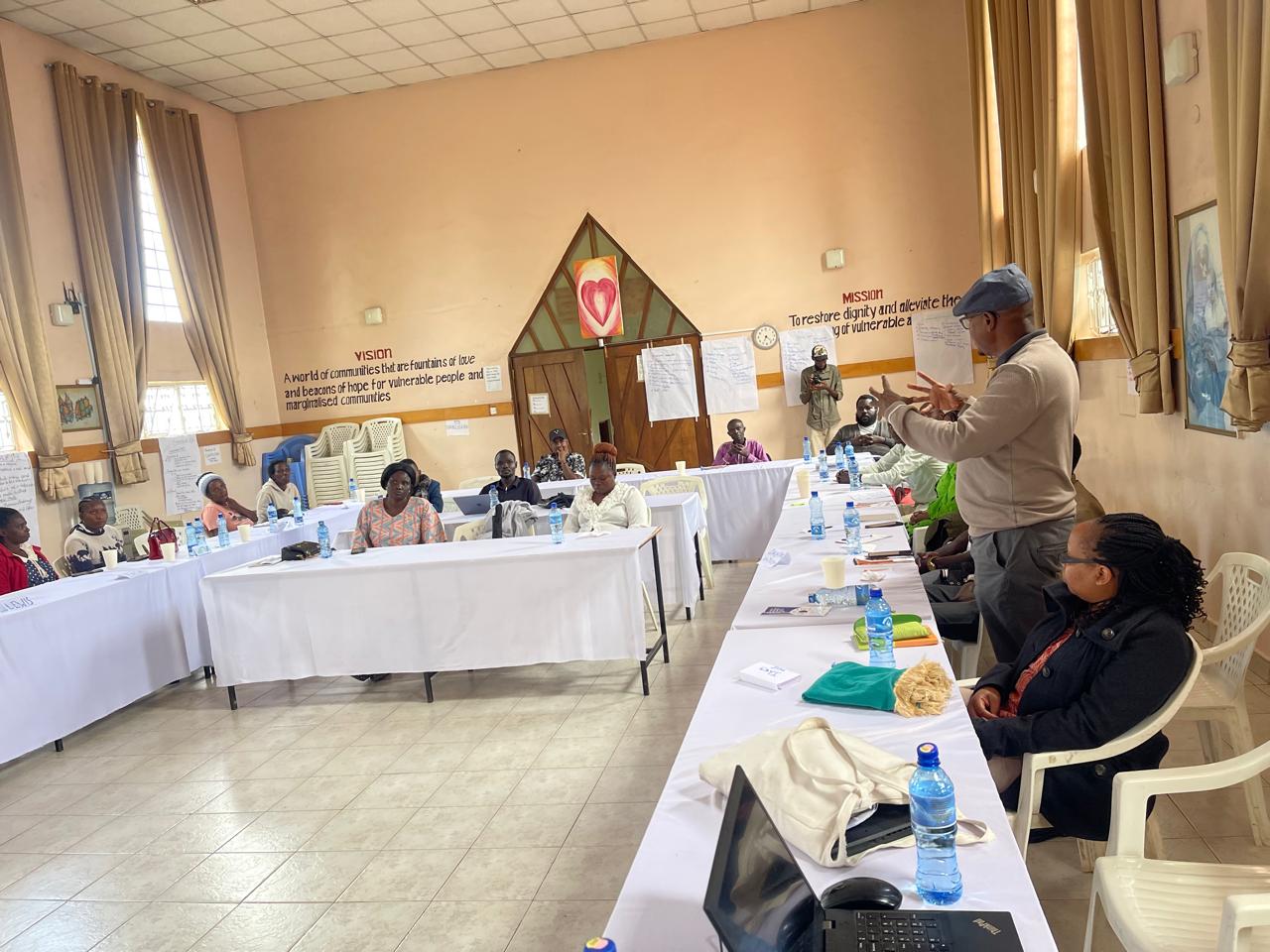
Kituo cha Sheria Board Chair, Mr. Justus Munyithya, addressing delegates and stakeholders during the workshop.

These challenges reflect a national crisis in documentation, with over 200,000 refugees awaiting clearance, their applications stalled. This backlog has denied thousands access to employment, education, and health services, leaving entire families in prolonged uncertainty. The human impact was further illustrated during the workshop through a compelling case study from the International Rescue Committee (IRC), which highlighted the exhausting and often confusing process refugees must navigate to obtain legal identification, KRA PINs, and business registration; all essential prerequisites for formal employment or entrepreneurship.

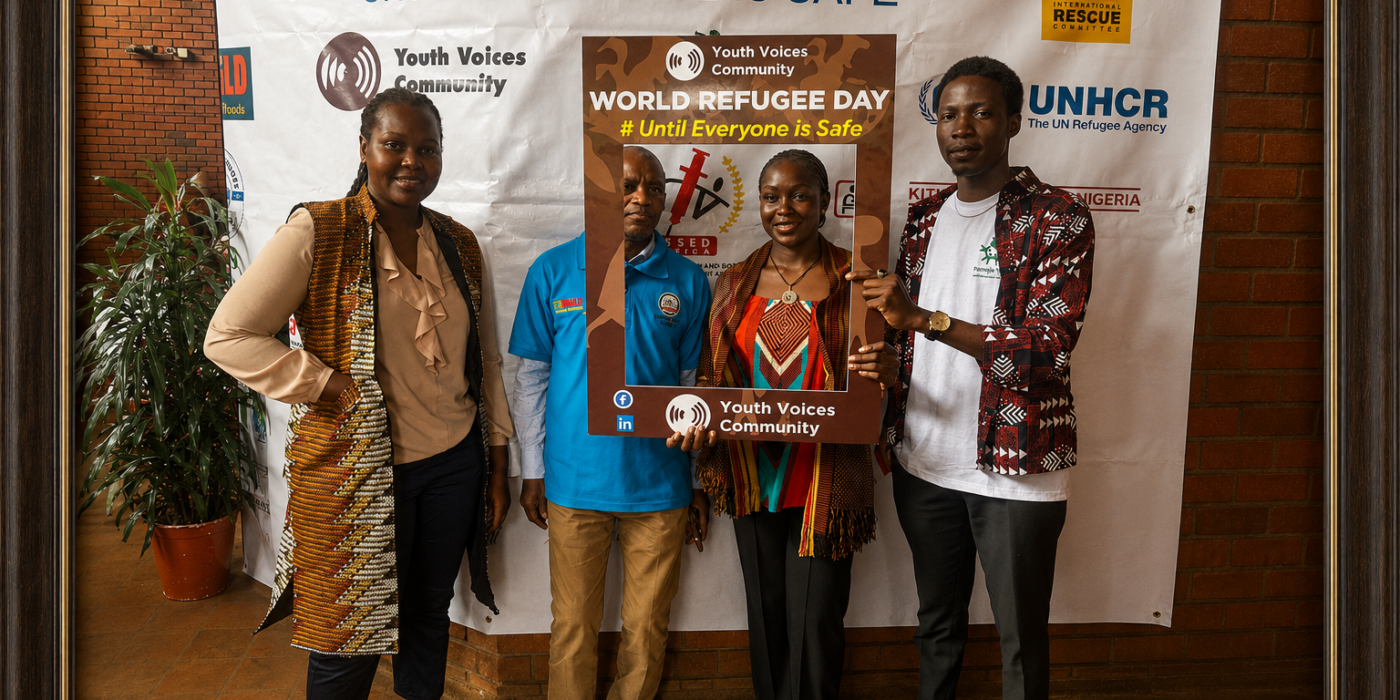
Similar experiences were echoed by members of the refugee community. According to Deu Kamuzinzi, a refugee and the advocacy lead at Youth Voices Community, the delays in clearing the piling backlog have locked out refugees from contributing to the economy. Lucy Duku, Chairperson of Refugee Women in Nairobi, also emphasized that even highly educated refugee youth remain excluded from professional opportunities due to documentation gaps, noting,

 “Our children were born in this country and have graduated from universities but cannot get jobs as they do not have the necessary documents like KRA PIN.” Lucy Duku, Chairperson of Refugee Women in Nairobi

Deliberations during the workshop highlighted that meaningful integration requires dismantling legislative and administrative barriers that hinder refugees’ right to work. Kituo cha Sheria Chairperson Justus Munyithya reaffirmed the organisation’s commitment to engaging government agencies in reviewing and amending legal and policy frameworks that limit refugees’ access to employment, education, and health services. He emphasized,

“As KITUO, we remain committed to ensuring that legal empowerment and policy reform go hand in hand. Refugees do not just need humanitarian assistance; they need a legal and structural environment that allows them to rebuild their lives with autonomy and confidence.” Mr. Justus Munyithya, Board Chair, Kituo Cha Sheria

Kituo cha Sheria Board Chair, Mr. Justus Munyithya, addressing the press during the workshop.

According to Dorothy Omboto, lawyer and lead consultant researcher of the launched report, there is a pressing need to abolish work permit requirements for refugees and to recognise refugee IDs as legitimate documentation for employment and business registration, an essential step toward alleviating the systemic frustrations refugees face. She noted that existing laws limit refugee integration and access to decent work due to the cumbersome process of obtaining work permits.

There is a pressing need to align Kenya’s progressive legal commitments with efficient, accessible systems that genuinely uphold refugees’ right to work. Moving forward requires coordinated reforms, institutional efficiency, and a renewed commitment to refugee self-reliance. Unlocking work rights is not just a legal necessity; it is an economic, social, and humanitarian imperative. When refugees are able to work, they support their families, contribute to national development, and strengthen the social fabric of Kenya. Advancing policy reform in a way that is not only enacted but also experienced and felt by refugees is a critical step toward ensuring dignity, opportunity, and meaningful inclusion for all.

By; Rony Alal

Kituo Strengthens Collaboration with Kenya Judiciary in Advancing People-Centered Justice

On 18th November 2025, Kituo cha Sheria paid a courtesy call to the Hon. Chief Justice of Kenya, Hon. Lady Chief Justice Martha Koome, at the Supreme Court of Kenya, to strengthen collaboration with the Judiciary in advancing people-centered justice. The engagement highlighted Kituo’s enduring commitment to ensuring that justice is accessible, humane, efficient, and community-driven.

For over five decades, Kituo cha Sheria has championed legal empowerment for Kenya’s poor, vulnerable, and marginalized communities. Guided by the principle that justice must work for the poor to work for all, Kituo has consistently sought to bridge gaps between legal frameworks and the realities faced by ordinary Kenyans. During the meeting, kituo reaffirmed its support for the Judiciary’s Social Transformation through Access to Justice (STAJ) vision, which aims to create a justice system that is responsive, progressive, and rooted in community needs.

Hon. Chief Justice Martha Koome chairs meeting with Kituo cha Sheria delegates

The Kituo delegation, led by Board Chair Justus Munyithya and Executive Director Dr. Wambua Kituku, included Board Members Hon. Justice P.J. Otieno and Mosongo Maosa, alongside senior staff. The team engaged the Chief Justice in discussions on a range of collaborative initiatives. These included strengthening Court Users Committees, supporting the rollout and sustainability of Alternative Justice Systems (AJS), expanding access to Small Claims Courts, enhancing justice data and feedback mechanisms, and capacity-building for paralegals and other justice actors.

Highlighting the long-standing synergy between Kituo and the Judiciary, the team noted that “several distinguished judicial officers began their journeys as volunteer advocates with Kituo,” demonstrating the organization’s historical role in nurturing leadership within Kenya’s justice sector. Kituo has also contributed to numerous initiatives in partnership with the Judiciary, such as promoting Small Claims Courts for informal traders in Mombasa, training Environment and Land Court judges on carbon markets, supporting symposia and annual conferences for specialized courts, and providing legal assistance to vulnerable populations in prisons and refugee camps in Dadaab and Kakuma.

Kituo BOD Chair, Mr. Justus Munyithya, presenting a gift to Hon. Chief Justice Martha Koome.

The meeting also explored future opportunities for collaboration. Kituo emphasized leveraging its extensive paralegal networks to support AJS rollout, strengthening community participation through Court Users Committees, and collecting structured community-level data to inform judicial policy. The organization is committed to scaling access to Small Claims Courts beyond Mombasa County, providing targeted training for paralegals and justice actors, and engaging regional networks to advance people-centered justice across the continent.

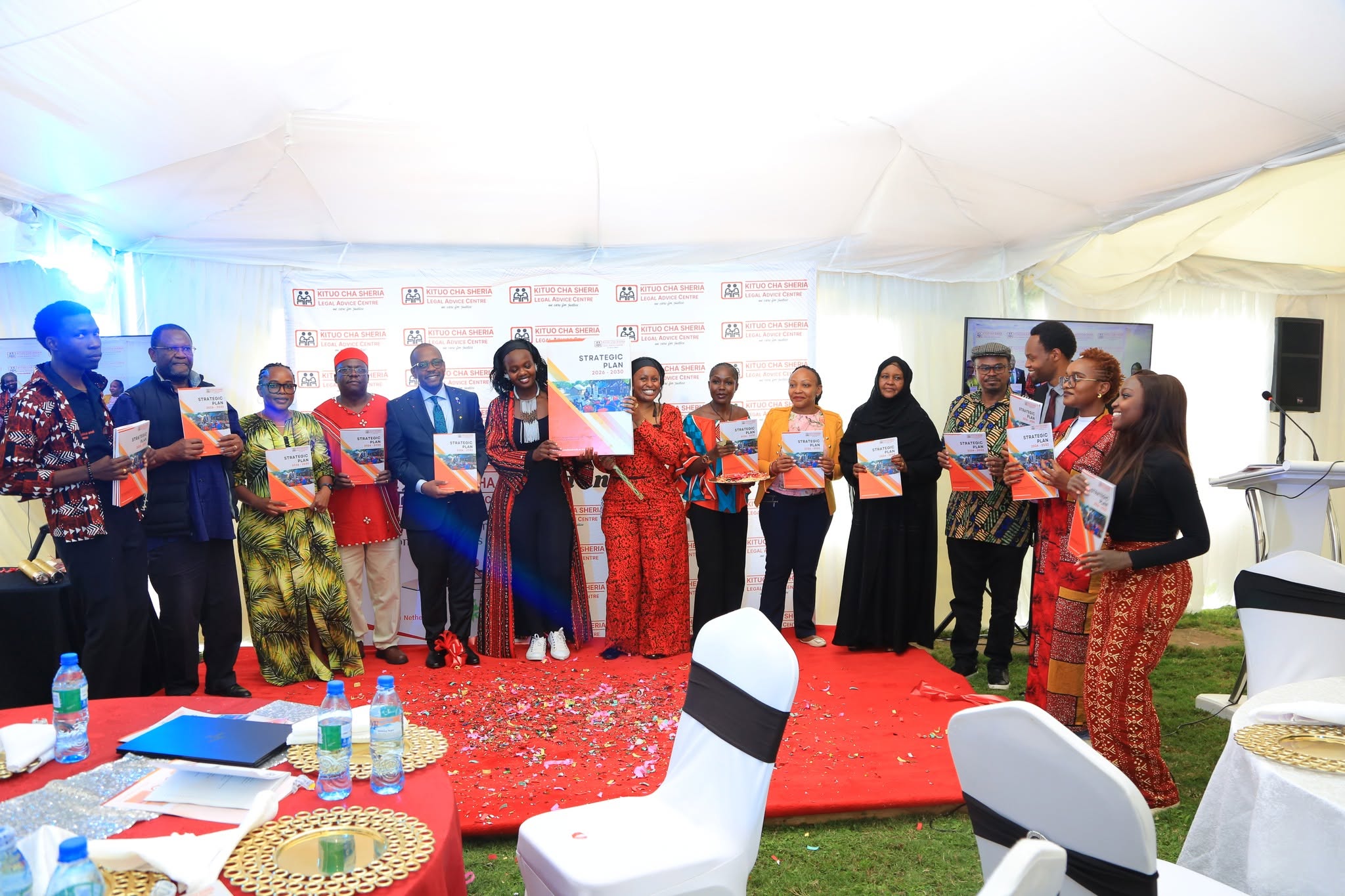
As Kituo cha Sheria prepares to launch its Strategic Plan 2026–2030, the organization extended a special invitation to the Chief Justice to serve as the Chief Guest for the milestone event. The strategic plan represents Kituo’s evolution from a lawyer-centered legal aid agency to a comprehensive legal empowerment organization, aiming to strengthen communities’ capacity to claim rights and drive social transformation.

Hon. Chief Justice Martha Koome presents a gift to Kituo Executive Director, Dr. Wambua Kituku.

In expressing appreciation for the meeting, Kituo reaffirmed its commitment: “Kituo cha Sheria is committed to deepening collaboration with the Judiciary to ensure that justice is not only accessible but also meaningful for all Kenyans, especially those most in need. We value the Judiciary’s leadership and stand ready to support the full realization of the STAJ vision.”

This engagement underscores the shared conviction that justice should be community-driven, inclusive, and transformative, reflecting Kituo’s vision of a society where legal empowerment drives equitable social change.

By Rony Alal

Strengthening institutional integrity to protect Kenya’s civic freedoms

In Kenya, civic space has undergone significant changes, often shaped by the way the state allocates and controls funding. These shifts can influence how civil society organizations operate, at times restricting freedoms and affecting public trust. Understanding these dynamics is essential to ensuring that civic engagement remains meaningful and protected from undue influence.

Strong and independent institutions are essential for creating an environment where rights are respected, accountability is upheld, and citizens can participate freely in governance. By reinforcing institutional integrity, societies can build resilient democracies that are inclusive, transparent, and capable of earning public trust.

Dr. Wambua Kituku, Executive Director of Kituo cha Sheria, addressing participants at the summit.

At the 5th Civil Space Protection Summit held in Nakuru, Kituo cha Sheria Executive Director, Dr. Wambua Kituku, took center stage during the Economics & Institutional Integrity Jam Session, delivering a compelling address on the same theme. Dr. Kituku emphasized that robust, independent institutions are critical to protecting civic freedoms and sustaining public trust noting the critical link between institutional integrity and citizens’ confidence in governance.

 “When institutions operate free from undue influence, they become the backbone of a thriving democracy.” Dr. Wambua Kituku, Executive Director, Kituo cha Sheria

The Annual Civic Space Protection Summit brought together a diverse assembly of delegates from CSOs, NGOs, youth movements, and government agencies under the theme “Reclaiming Civic and Democratic Space Amid Shrinking Freedoms.” The forum provided a critical platform to examine the mounting pressures facing civic freedoms in Kenya, amplify the voices and experiences of human rights defenders, and collectively craft strategies aimed at safeguarding democratic space. It also underscored the urgency of strengthening institutional independence and rebuilding public trust as essential pillars for a vibrant and resilient civic environment.

The Civil Space Protection Summit underway in Nakuru.

Drawing from Kituo’s experience in promoting access to justice and defending human rights, Dr. Kituku underscored that safeguarding civic space requires more than legislation; it demands active enforcement, transparency, and mechanisms that hold institutions accountable. He stressed that independent institutions not only protect individual rights but also foster an environment where civic engagement and public discourse can flourish safely.

The session resonated with participants, reinforcing the idea that economic development, public trust, and civic freedoms are deeply intertwined with institutional integrity. By investing in and protecting independent institutions, societies can ensure that civic space remains vibrant, inclusive, and resilient against encroachments.

Celebrating Katiba@15: Advancing Constitutionalism and Access to Justice

Kituo cha Sheria proudly joined Kenyans in commemorating 15 years since the promulgation of the Constitution of Kenya, 2010, under the theme Fidelity to the Constitution; Securing Full Implementation.” Together with our partners, we marked this national milestone at the Methodist Resort with a vibrant celebration graced by former Chief Justice David Maraga, who offered reflections on the country’s progress and the challenges that persist in fully realising the Constitution’s promise.

Chief Justice Emeritus David Maraga delivering his speech during the Katiba Day celebration at the Methodist Church.

As part of our legal empowerment efforts, Kituo also hosted a free Legal Aid Clinic at our grounds, culminating in a colourful ceremony presided over by our Board Chairman, Mr. Justus Munyithya. The clinic provided an accessible platform for citizens seeking guidance on matters ranging from land and succession to labour rights, migration, and criminal justice. In addition, we distributed free copies of the Katiba, reaffirming its central role in protecting human rights and empowering citizens to demand accountability.

“As we celebrate Katiba Day, we are reminded that the Constitution’s promise is only fulfilled when every Kenyan especially the poor and marginalized can access justice with dignity. At Kituo cha Sheria, our mission has always been to stand with those left at the margins, empowering communities to know, claim, and defend their rights. Fidelity to the Constitution means turning its words into lived realities, and we remain committed to ensuring that justice is not a privilege for the few, but a guarantee for all.”  Mr. Justus Munyithya, Board Chair, Kituo Cha Sheria

Kituo cha Sheria Board Chairman, Mr. Justus Munyithya (centre), leading participants in the cake-cutting ceremony.

The Katiba@15 commemoration offered a moment of reflection on Kenya’s strides in deepening constitutionalism, strengthening devolution, and operationalizing the Bill of Rights, while also acknowledging persistent gaps in access to justice, public participation, and governance. It was equally a call to action, reminding all actors that the Constitution is not merely a legal document but a living covenant that must be safeguarded, respected, and fully implemented for the benefit of every Kenyan.

Supported by the Mott Foundation and Misereor, this occasion was both celebratory and reflective, a reminder of our collective journey in advancing constitutionalism and empowering communities to defend their rights. At Kituo, we remain steadfast in our mission to ensure that the promise of the Constitution translates into justice, dignity, and equality for all.

By; Rony Alal

Bridging the Justice Gap: Kituo Cha Sheria Empowers Inmates Through Paralegal Training

In Kenya, countless inmates face a harsh reality: legal problems with nowhere to turn. The judicial process is often prohibitively expensive, lawyers are unaffordable for the majority, and the state frequently fails to provide legal representation. For many, navigating the complexities of the law while behind bars can feel impossible, leaving prisoners vulnerable and their rights unprotected.

It is in this challenging landscape that the critical role of paralegals comes to the fore. Recognizing this gap, Kituo Cha Sheria, with support from the Mott Foundation, has embarked on a series of transformative paralegal trainings across several prisons in Kenya, including Kodiaga Maximum Prison, Chuka Main Prison, Meru Maximum Prison, and Lodwar GK Prison. These trainings aim to equip both inmates and prison officers with essential legal knowledge and practical skills, creating a bridge to justice from within the correctional system.

Inmates display their certificates alongside Kituo board member Hon. Justice P.J. Otieno (in a blue suit) following the successful training in Lodwar, Turkana County.

The sessions cover a broad spectrum of topics, including criminal procedure, the rights of accused persons, fair trial guarantees, legal drafting, and civil law processes as alternative avenues for dispute resolution. Inmates are also sensitized on constitutional rights, with particular attention to the observance of Katiba Day, reinforcing the Constitution’s role in safeguarding rights and promoting justice for all.

Beyond knowledge-sharing, Kituo provides practical resources to support ongoing legal empowerment, including copies of the Constitution of Kenya and the Self-Representation Guide. By equipping inmates with this foundational legal understanding, the trainings foster a more informed and responsible prison community, enabling both inmates and officers to navigate legal procedures effectively and uphold rights.

Kituo staff and correctional officers pose for a photo outside Chuka Prison following the training.

The impact of these sessions has been profound. Legal awareness is strengthened, self-representation is encouraged, and access to justice is expanded for groups often overlooked within the prison system. The Lodwar GK Prison session, graced by Kituo board member Hon. Justice P.J. Otieno, underscored the power of partnerships in driving meaningful social impact.

Through these initiatives, Kituo Cha Sheria continues to empower local actors, advance community-based justice, and ensure that even within correctional facilities, the fundamental rights and responsibilities of every individual are recognized and upheld.

By; Rony Alal

Kituo Cha Sheria Strengthens Access to Justice as Mombasa Launches County AJS Action Plan and Suit

On 21st August 2025, Kituo Cha Sheria, in partnership with the National Steering Committee on the Implementation of Alternative Justice Systems (NaSCI-AJS) and with support from GIZ – German International Cooperation, Kenya, participated in the official launch of the Mombasa County Action Plan on AJS and the AJS Suit, the 11th of its kind in the country.

The launch was hosted by the County Government of Mombasa under the leadership of H.E. Governor Abdulswamad Sheriff Nassir, and graced by high-level leaders including the Chief Justice, Hon. Martha Koome, Hon. Justice (Prof.) Joel Mwaura Ngugi, Chair of NaSCI-AJS, our Executive Director, Dr. Wambua Kituku, and Peter Kiama, Executive Director of Haki Yetu. The event also brought together paralegals, elders, community leaders, and grassroots representatives.

Dr. Wambua Kituku, Executive Director of Kituo Cha Sheria, giving his remarks during the launch of the Mombasa County AJS Action Plan and Suit.

As an institution, Kituo Cha Sheria has been at the forefront of supporting the establishment of AJS Suits, designed to ease the backlog in the Judiciary by leveraging local knowledge and community-based mechanisms for dispute resolution. These Suits offer safe spaces for dialogue, reconciliation, and culturally rooted solutions to disputes—particularly those involving land and family matters that frequently overwhelm the courts.

The newly launched Mombasa AJS Suit will be run by trained paralegals, many of whom have undergone a series of specialized trainings by Kituo Cha Sheria on various elements of the law, community mediation, and the boundaries of AJS practice. These trainings equip paralegals with practical skills to handle disputes in a fair, restorative, and culturally sensitive manner, while also helping them understand the limitations of AJS—for example, that serious criminal matters cannot be handled through community mediation and must be referred to the formal justice system. By anchoring the Suit in the hands of trusted local paralegals, the model ensures both accessibility and compliance with the law.

Hon. Martha Koome, Chief Justice of Kenya, speaking at the official launch of the Mombasa County AJS Action Plan and Suit.

In his remarks, Dr. Wambua Kituku emphasized that “The journey of access to justice does not end with a launch; it continues every day in the lives of the people we serve.” He underscored the fact that the Mombasa AJS Action Plan was developed through collaboration with the Judiciary, county government, elders, and community leaders to ensure it reflects the lived realities of citizens.

Kituo also raised important concerns that need to be addressed as AJS continues to grow in Mombasa and across Kenya. These include the mental wellbeing of AJS practitioners, who often carry the emotional burden of conflict resolution; the need for greater public awareness and trust-building, to enhance confidence in AJS processes; and the localisation of AJS Suits across all six sub-counties of Mombasa, to ensure equity and inclusivity in community-centered justice.

Kituo Cha Sheria Mombasa Office Coordinator, Mr. Conrad Atiang (far left), poses with delegates during the launch of the Mombasa County AJS Action Plan and Suit.

Through support from GIZ and collaboration with partners, Kituo Cha Sheria continues to train paralegals, build the capacity of community mediators, and sensitize citizens to embrace AJS as a restorative, people-centered approach to justice.

The launch marked a historic milestone for Mombasa County, embedding restorative justice within local governance structures and reaffirming the shared commitment of all partners to ensure that justice is accessible, dignified, and harmonious for all, especially the most vulnerable.

By; Rony Alal

A Milestone for Justice in Samburu: Maralal Alternative Justice Centre Officially Commissioned

With the support of the European Union in Kenya and FAO Kenya, Kituo cha Sheria together with the National Steering Committee on the Implementation of the Alternative Justice Systems Policy (NaSCI-AJS) officially commissioned and operationalized an Alternative Justice Centre (AJC) at the Maralal Law Courts in Samburu County on 10th July 2024. This marks a major stride in expanding access to justice, especially for marginalized and remote communities.

The newly commissioned Centre is part of a broader initiative to promote a multiple-door approach to justice, which embraces community-led, restorative, and inclusive mechanisms. By integrating indigenous justice systems and local knowledge into the broader legal framework, the AJC in Maralal will enable the resolution of disputes in ways that are faster, culturally relevant, and more accessible to the local population. It represents a tangible effort to bring justice closer to the people, reflecting the spirit and vision of the AJS Policy.

Hon. Justice Joel Ngugi leads delegates during the commissioning of the Maralal Alternative Justice Centre.

The commissioning event brought together a wide range of stakeholders from the judiciary, civil society, and the local community. Attending the ceremony were Hon. Justice Joel Ngugi, Chairperson of NaSCI-AJS; Hon. Justice Anthony Ndung’u, Presiding Judge of Maralal; Hon. Magistrate Victor Asiyo; Jemimah Aluda; and Kituo cha Sheria’s team led by Executive Director Dr. Wambua Kituku, alongside Esther Nekesa, Jimmy Sayi, Joy Nasike, and Rony Alal. Their presence reaffirmed the collective commitment to advancing people-centered justice in Samburu.

The Judiciary, through NaSCI-AJS Chair Hon. Justice Joel Ngugi, emphasized the importance of AJS both to the Judiciary and the community at large. “Alternative Justice Systems are critical in ensuring that justice is not only accessible but also relatable and timely,” said Justice Ngugi. He further thanked Kituo cha Sheria, and through them, the European Union in Kenya and FAO Kenya, “for their continued support in strengthening access to justice for all.”

Delegates pose for a group photo during the commissioning of the Maralal Alternative Justice System (AJS) Centre.

On his part, Kituo’s Executive Director, Dr. Wambua Kituku, reaffirmed Kituo’s commitment to the cause: “At Kituo cha Sheria, we remain steadfast in promoting access to justice for the poor and the marginalized. We are committed to walking this journey with the communities and our partners, and we pledge our continued support to the AJS movement.”

Also present were members of the Samburu Council of Elders, who serve as trained paralegals and are actively involved in local conflict resolution through AJS mechanisms. Their participation highlighted the critical role that traditional justice actors play in promoting peace and harmony within communities. Representatives from the Court Users Committee also joined the event, reinforcing the importance of multi-stakeholder collaboration in strengthening the justice ecosystem.

As part of the day’s activities, delegates planted trees within the court compound, a symbolic gesture representing justice, growth, and long-term peace in the region. This act not only emphasized the environmental consciousness of the initiative but also reflected a vision for a sustainable and peaceful justice future for Samburu.

Dr. Wambua Kituku, assisted by an officer, plants a tree during the commissioning of the Maralal Alternative Justice Centre.

In addition, Kituo cha Sheria and the NaSCI-AJS delegation also paid a courtesy call on H.E. Gabriel Lenengwesit, Deputy Governor of Samburu County. The meeting served as an opportunity to explore avenues for strategic collaboration in implementing and scaling up Alternative Justice Systems in the region.

This visit reaffirmed the County Government’s support for AJS and its commitment to working closely with local and national stakeholders. It also highlighted the importance of aligning institutional frameworks with community-led efforts to ensure that justice remains inclusive, accessible, and responsive to the unique realities of the Samburu people.

Delegates during the courtesy visit to the Office of the Deputy Governor.

This initiative stands as a powerful reminder that meaningful justice does not only come from formal courtrooms but also grow from the wisdom, practices, and participation of local communities. Samburu now sets a strong example for other counties across Kenya seeking to actualize the promise of the Alternative Justice Systems Policy.

By; Rony Alal

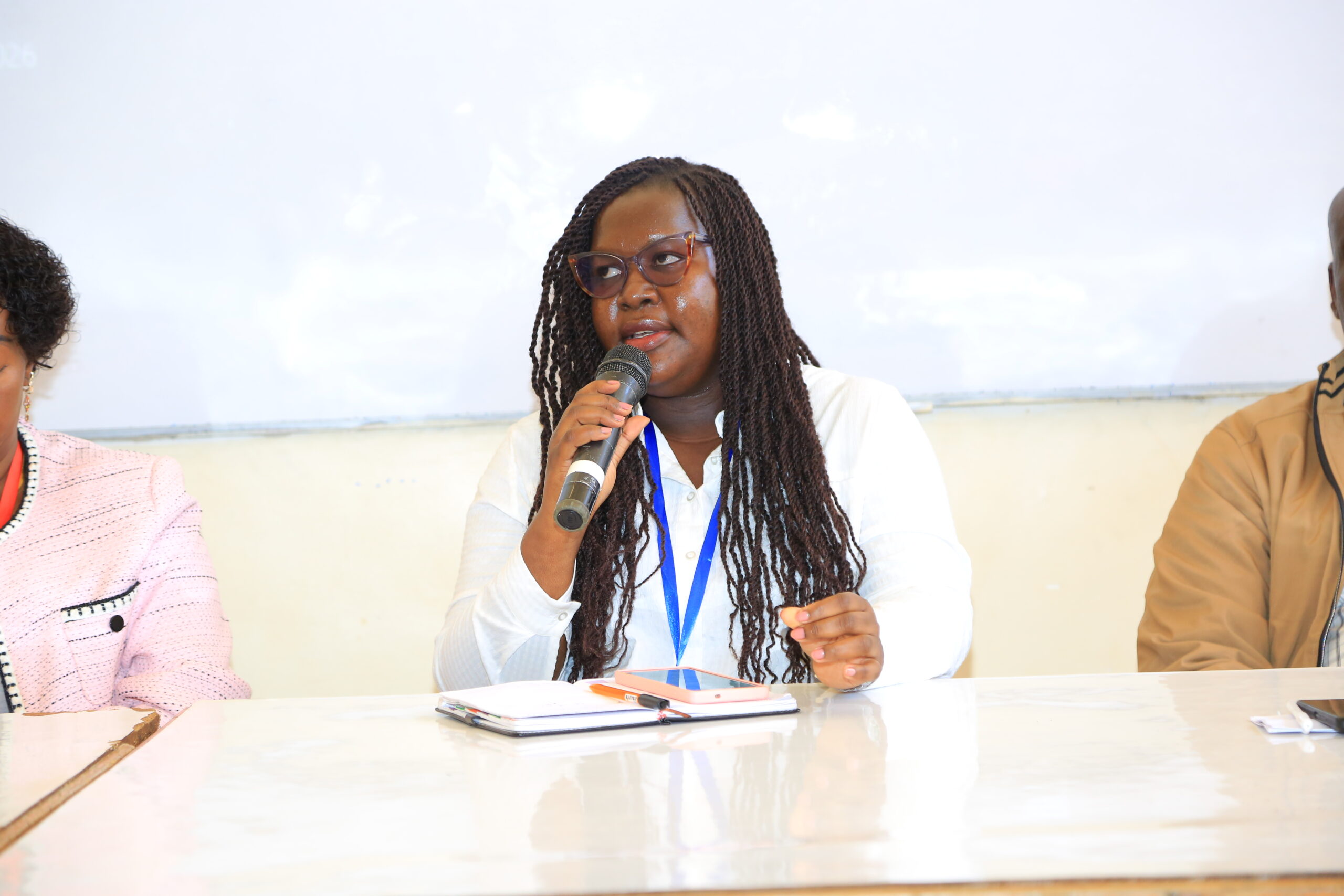
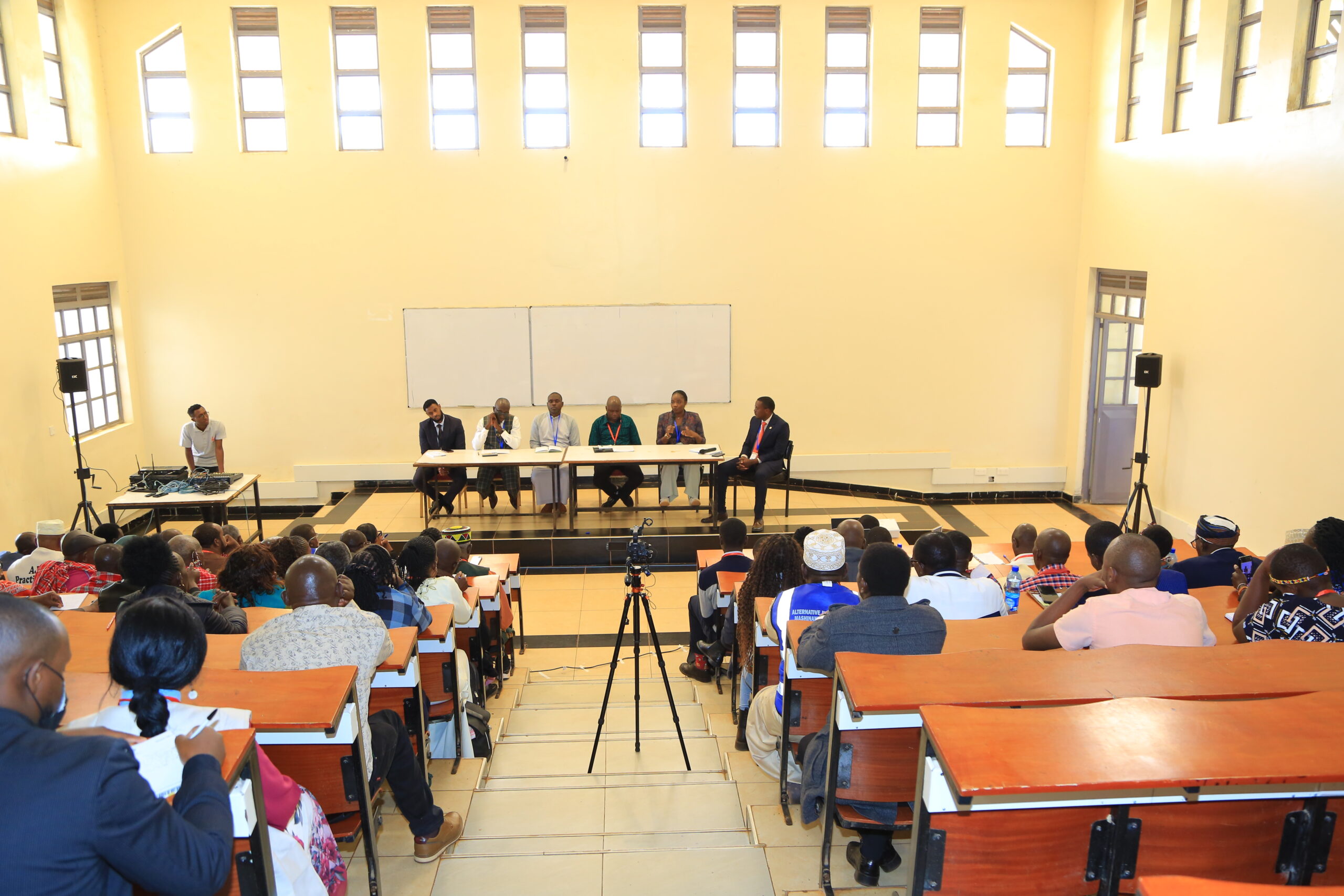
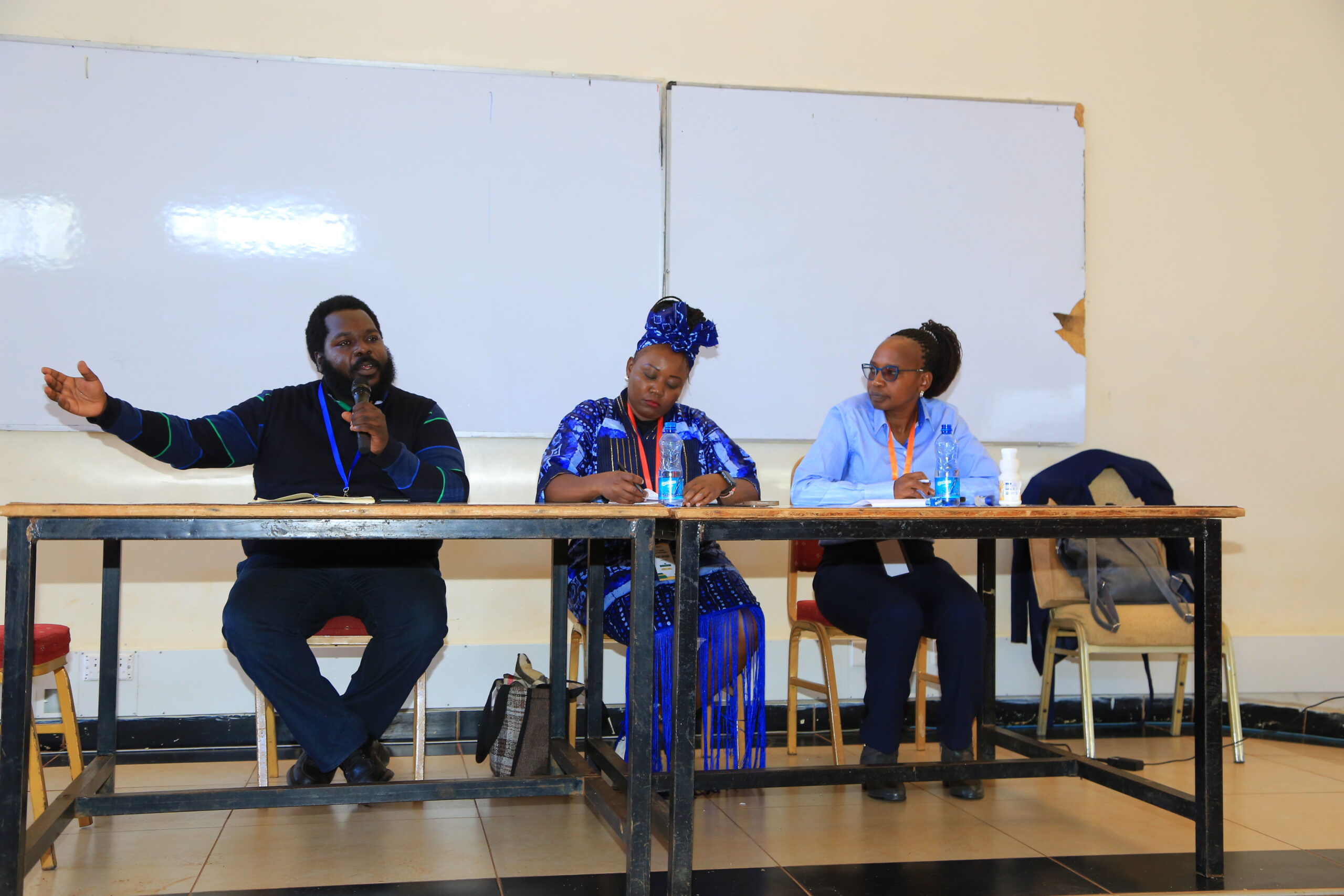
THE 2ND ANNUAL NATIONAL CONFERENCE ON ALTERNATIVE JUSTICE SYSTEMS

The National Steering Committee on the Implementation of the Alternative Justice Systems Policy (NaSCI-AJS) on 26th June 2023 convened the 2nd Annual National Conference on Alternative Justice Systems in Kenya at Tangaza University College. The conference brings together justice actors, practitioners, judicial officers, academics, policy makers, civil society actors, development partners, community leaders and all stakeholders in the Access to Justice Ecosystem.

(more…)

Corporate

Contact Info: Head Office - Nairobi

Location: Ole Odume Rd, Off Argwings Kodhek Rd.
Postal Add.: P.O. Box 7483-00300 Nairobi, Kenya.
Tel: 3874191, 3874220, 3876290,
Fax: 3876295
Mobile: +254 734 874 221, +254 727 773 991

Email: info(at)kituochasheria.or.ke
Website: www.kituochasheria.or.ke

Newsletter

Subscribe to receive inspiration, ideas, and news in your inbox.

Copyright © 2025 – Kituo Cha Sheria. All Rights Reserved. Website by: RENCE INTERACTIVE