

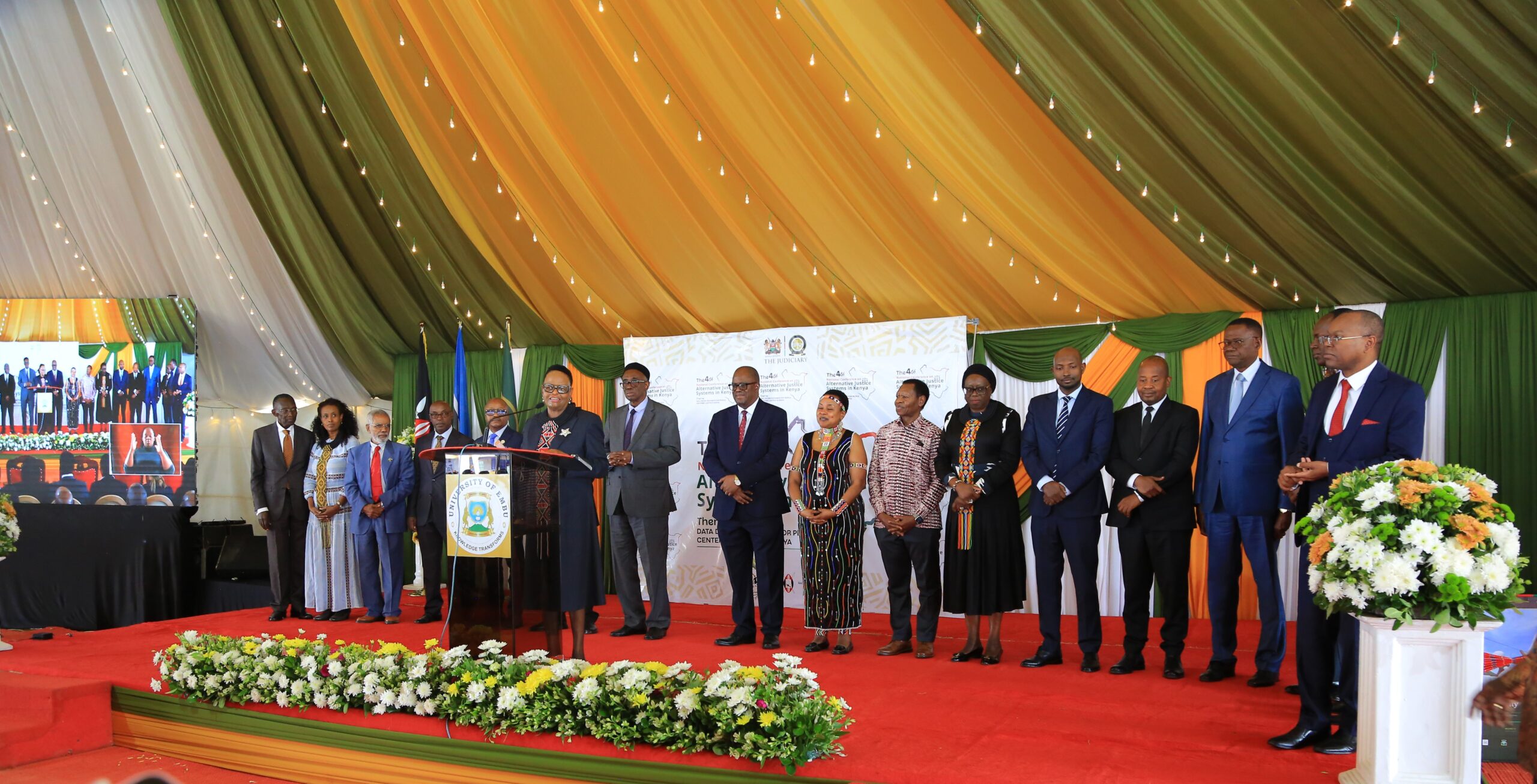
Two weeks ago, I had the privilege of attending the 4th Annual Alternative Justice Systems (AJS) Conference in Embu, which brought together sixteen Chief Justices from across Africa, alongside judges, legal practitioners, policymakers, researchers, and other justice sector actors to explore how Alternative Justice Systems can expand access to justice across the continent. One message echoed throughout the discussions: Kenya’s courts continue to grapple with a significant backlog of cases, and Alternative Justice Systems offer a practical, culturally relevant, and community-driven approach to resolving many disputes outside the formal court process.
Kenya’s Constitution deserves immense credit for recognizing Alternative Justice Systems as a legitimate pathway to justice. It acknowledges that not every dispute must find its way into a courtroom. For generations, communities have settled disagreements through mediation, negotiation, reconciliation, and other traditional dispute resolution mechanisms. If fully implemented, Alternative Justice Systems can significantly bridge the access to justice gap. Family disputes, succession matters, land boundary disagreements, neighbourhood conflicts, and other community-based disputes can often be resolved faster, at a lower cost, and in ways that preserve relationships rather than destroy them.
However, as inspiring as the conversations around AJS were, one important reality stood out. Alternative Justice Systems were never intended to replace the Constitution or the formal justice system. Their role is complementary, not substitutive. Criminal offences, constitutional disputes, and human rights violations cannot simply be negotiated away through traditional forums. Such matters require the protection and authority of the law.
That is why the conversation on access to justice cannot stop at Alternative Justice Systems. The missing link is the legal empowerment. If we truly want to close the justice gap, we must shift from only teaching people how to resolve disputes to also teaching them how to avoid disputes in the first place. Prevention, after all, is better than cure.
This is why we need a people-centred justice approach that equips individuals and communities with the knowledge, confidence, and tools to know the law, use the law, and shape the law. It is about making justice part of everyday life, rather than something people only encounter when they have a legal problem.
Imagine communities where parents understand children’s rights before family conflicts arise. Where spouses know the legal implications of marriage, divorce, succession, and matrimonial property before disagreements escalate. Where tenants understand housing laws, workers know their labour rights, entrepreneurs appreciate their legal obligations, and young people understand how to protect themselves from exploitation and abuse. Many of the disputes clogging our courts would never arise.
Across Kenya, countless legal problems begin with a lack of information. People unknowingly sign exploitative agreements, dispose of family property without understanding succession laws, violate employment rights, or unknowingly infringe on the rights of others. By the time they seek legal assistance, relationships have broken down, resources have been lost, and disputes have become expensive and time-consuming to resolve.
When people understand the law, they make better decisions. They identify injustice early. They seek help before conflicts escalate. They become less vulnerable to exploitation, corruption, discrimination, and abuse. More importantly, they become active participants in building a society that values justice and respects the rule of law.
This is why legal empowerment should be the foundation upon which Alternative Justice Systems operate.When one legally empowered person shares that knowledge with family members, neighbours, or colleagues, the impact spreads far beyond one individual. Communities become capable of solving problems lawfully, preventing conflicts before they occur, and empowering others to do the same. That is the essence of people-centred justice.
Alternative Justice Systems are undoubtedly life-changing. They save relationships, time, money, and dignity. They make justice more accessible, affordable, and culturally relevant. They allow communities to resolve disputes in ways that promote healing instead of hostility.
The future of access to justice in Kenya lies not only in resolving disputes differently but also in preventing disputes through legal awareness. We must invest in communities that understand their rights, appreciate their responsibilities, and have the confidence to engage with the law constructively.
Before we teach people how to resolve disputes, let us first teach them how to avoid them. By legally empowering people to know the law, use the law, and shape the law, we will not only strengthen Alternative Justice Systems but also build a more informed, just, and peaceful society for generations to come.
By Rony Alal
Communications Officer, Kituo Cha Sheria