

For over five decades, Kituo Cha Sheria has been synonymous with access to justice in Kenya. Since its establishment in 1973, the organisation has stood with those who would otherwise have no voice in the justice system, representing families facing eviction, defending the rights of refugees, championing labour rights, securing landmark constitutional judgments, and providing legal aid to thousands of poor and marginalized people. This work has shaped Kenya’s legal landscape and demonstrated that justice should never depend on one’s ability to pay.
The impact of Kituo’s previous strategic plan reflects this legacy. Over the last five years, the organisation provided legal advice and support to more than 36,000 people, supported nearly 25,000 refugees, asylum seekers and internally displaced persons, reached close to 10,000 people through advocacy and paralegal initiatives, established more than 26 Social Justice Centres, expanded legal aid clinics across the country, strengthened partnerships with justice institutions, and continued to secure landmark public interest litigation that advanced constitutional rights and government accountability.
These achievements are significant. They demonstrate that legal aid changes lives, protects rights, and remains an indispensable pillar of access to justice. Yet, as Kituo reflected on the implementation of the previous strategy and undertook research on legal empowerment in Kenya and beyond, another reality became increasingly evident. While legal aid addresses immediate legal needs, it cannot, on its own, eliminate the structural barriers that continually produce injustice. Every successful court case is often followed by hundreds of similar disputes because the underlying causes remain unresolved.
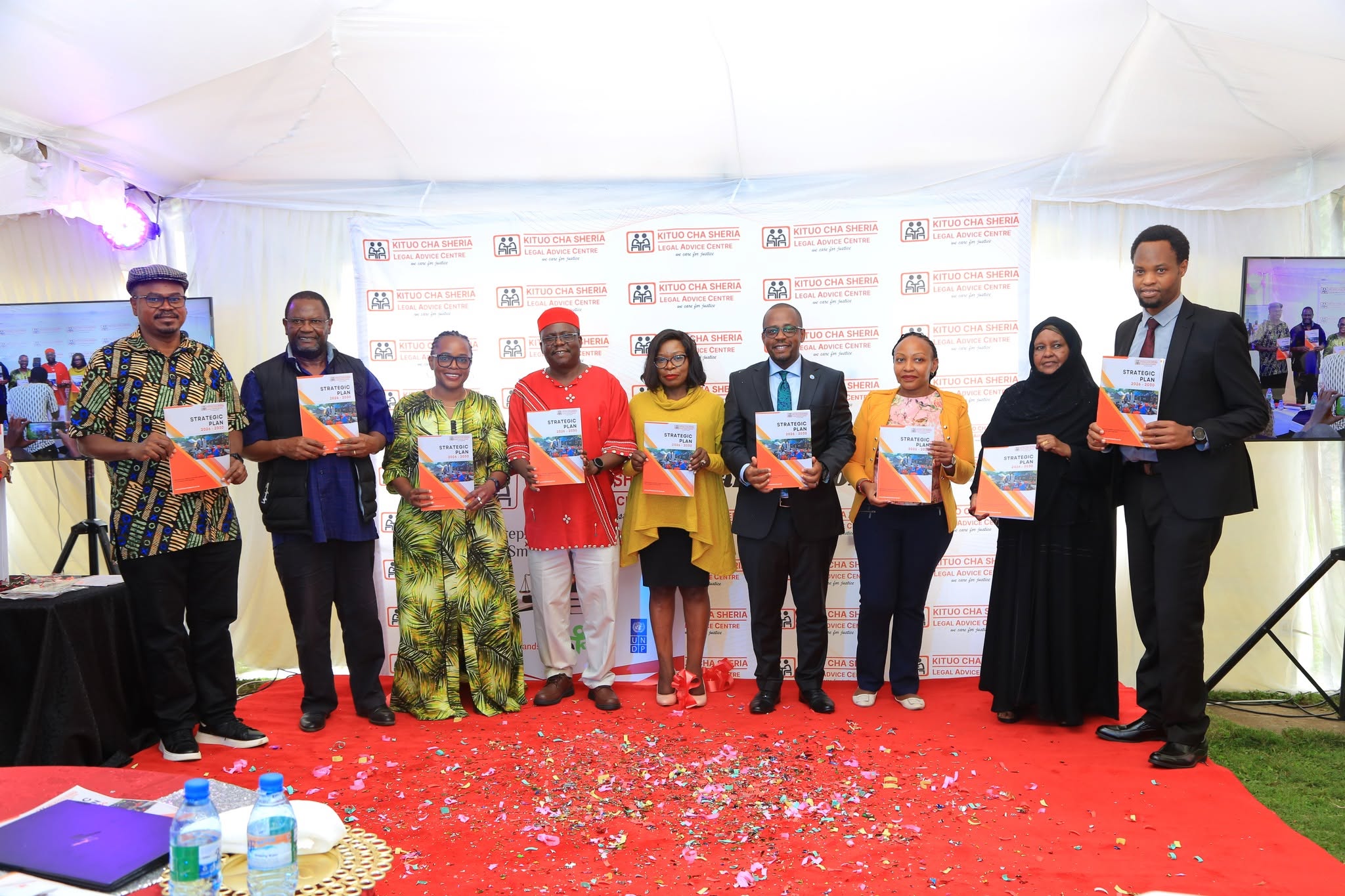
The research pointed to an important conclusion: the greatest and most sustainable justice outcomes occur when people are not merely recipients of legal services but active participants in solving their own justice problems. Communities that understand their rights, know where to seek remedies, can engage public institutions, and influence laws and policies are better equipped to prevent violations before they occur. Legal empowerment, therefore, emerged not simply as another programme approach, but as one of the most effective pathways towards achieving people-centred justice.
“Our research in Kenya and beyond affirmed what we have witnessed throughout Kituo’s 53-year journey: legal aid is indispensable, but lasting justice is achieved when people are empowered to understand their rights, navigate justice systems, and influence the decisions that affect their lives. That evidence informed our Strategic Plan 2026–2030 and our commitment to advancing people-centred justice through legal empowerment, ensuring that communities not only access justice, but become active participants in creating it.” Mr. Justus Munyithya, Chairperson, Board of Directors
This evidence comes at a time when the justice landscape is changing rapidly. Kenya today faces widening inequality, increasing economic hardship, shrinking civic space, climate-related displacement, technological transformation, governance challenges, and growing pressure on public institutions. Poor and marginalized communities continue to face multiple barriers to justice, including high legal costs, limited legal awareness, delays in court processes, geographical inaccessibility, discrimination, and weak institutional accountability. These realities require responses that extend beyond courtroom representation.
Recognising these emerging challenges, Kituo’s Strategic Plan 2026–2030 shifts its emphasis towards advancing people-centred justice for all in Kenya and beyond. This is not a departure from legal aid, nor does it diminish the importance of strategic litigation or legal representation. Rather, it builds upon five decades of experience and evidence by placing greater emphasis on ensuring that people themselves become central actors in the pursuit of justice.
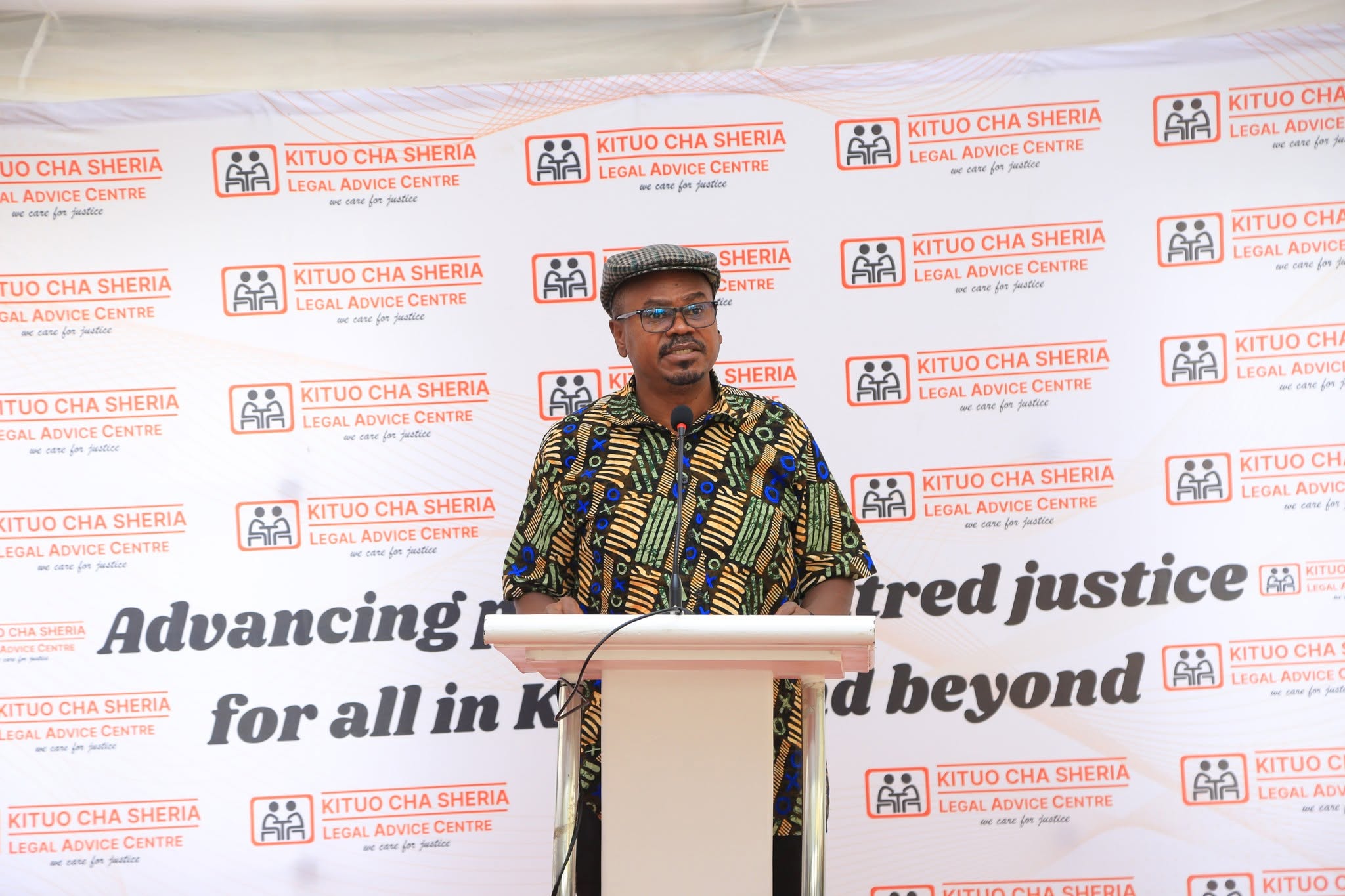
People-centred justice begins with a simple but transformative idea: justice should respond to the everyday problems people face, not merely the procedures of legal institutions. It asks whether people can resolve disputes fairly, obtain essential documentation, secure their land rights, access public services, challenge abuse of power, and meaningfully participate in decisions that affect their lives. Success is therefore measured not only by judgments delivered in courtrooms but by stronger communities, more accountable institutions, and citizens who can confidently exercise and defend their rights.
“Legal aid helps people solve today’s legal problems, but legal empowerment equips them to prevent tomorrow’s injustices. Over the years, we have learned that sustainable justice is achieved not only by representing people in court, but by enabling them to know the law, use the law, and shape the law. That is the foundation of people-centred justice.” Mr. John Mwariri, Legal Aid and Empowerment Coordinator, Kituo Cha Sheria
The new Strategic Plan therefore integrates legal empowerment across every area of Kituo’s work. Whether addressing land and climate justice, governance and the rule of law, migration, economic and social justice, or legal aid itself, the common thread is strengthening people’s capacity to know the law, use the law, and shape the law. Communities are no longer viewed simply as beneficiaries of legal services but as partners capable of identifying justice challenges, demanding accountability, influencing policy, and contributing to lasting institutional change.
This integrated approach also reflects a deeper understanding that injustice does not occur in isolation. A family displaced by climate change may simultaneously face land disputes, loss of livelihoods, lack of identity documents, barriers to healthcare, and exclusion from decision-making. Refugees navigating asylum procedures often encounter employment, housing, education, and documentation challenges at the same time. Addressing these realities requires legal aid, certainly, but also legal education, community organising, policy advocacy, research, strategic communication, alternative justice systems, and strong community paralegal networks working together. That is precisely the model Kituo now seeks to strengthen over the next five years.
På demosiden kan du teste demo spilleautomater uten å starte med ekte innsats.

Ultimately, the Strategic Plan represents an evolution rather than a change in direction. Kituo is building on the success of its legal aid legacy while responding to new evidence about what creates lasting justice. The goal is no longer simply to help people solve today’s legal problem, but to equip them with the knowledge, confidence, networks, and opportunities to prevent tomorrow’s injustice.
As Kenya and the wider region navigate increasingly complex social, economic, environmental, and governance challenges, this shift could not be more timely. Legal aid remains essential, but legal empowerment ensures that justice extends beyond the courtroom and into people’s everyday lives. By placing communities at the centre of justice, Kituo’s new Strategic Plan offers a vision in which justice is no longer something delivered to people, but something they actively participate in creating, protecting, and shaping for generations to come.
By Rony Alal
Communications Officer, Kituo Cha Sheria