
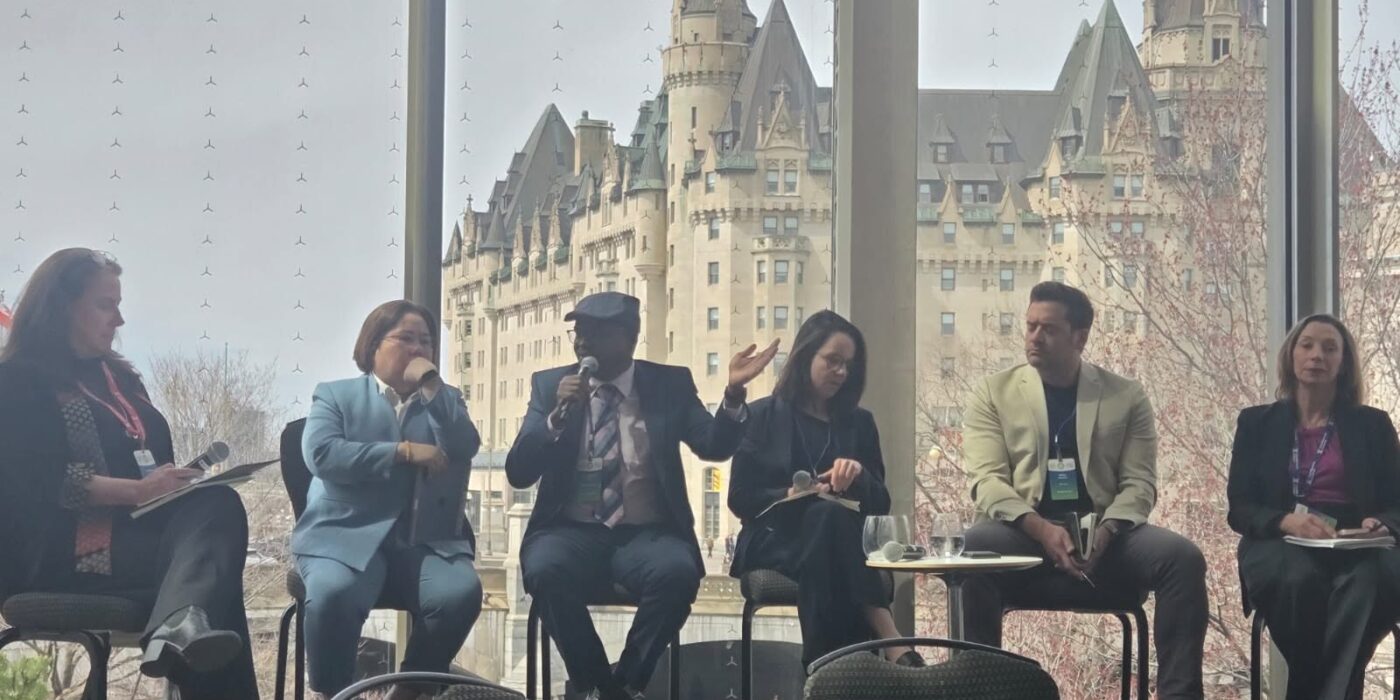
The struggle to protect and expand civic space is increasingly becoming a struggle over evidence. As governments, civil society, and communities navigate shrinking civic freedoms, research is no longer simply a tool for documenting challenges; it is an essential foundation for advancing people-centred justice. By generating credible evidence, amplifying lived experiences, and informing public policy, research helps ensure that justice systems respond to people’s realities rather than abstract assumptions.
This perspective shaped discussions during the “Reimagine Research: Powering Civic Practice and Infrastructure” panel at the inaugural Ottawa Civic Space Summit 2026, held from 21 – 23 April 2026 in Ottawa, Canada, where Kituo Cha Sheria Executive Director Dr. Wambua Kituku joined global experts in examining the role of research in protecting and expanding civic space.
Research enables civil society to identify emerging threats, understand how restrictions affect different groups, and develop practical, evidence-based responses. Whether addressing restrictive laws, digital surveillance, or the silencing of civic voices, credible research strengthens advocacy, informs policy reforms, and promotes accountability. In this way, it becomes an essential pillar for safeguarding civic space and strengthening democratic participation.
“Research is most powerful when it begins with people. At Kituo Cha Sheria, we see research as more than generating evidence, it is about understanding the justice needs of communities and using that evidence to shape policy, strengthen advocacy, and build justice systems that are responsive, inclusive, and accountable. When research reflects lived experiences, it becomes a catalyst for protecting civic space and advancing people-centred justice.” Dr. Wambua Kituku, Executive Director, Kituo Cha Sheria
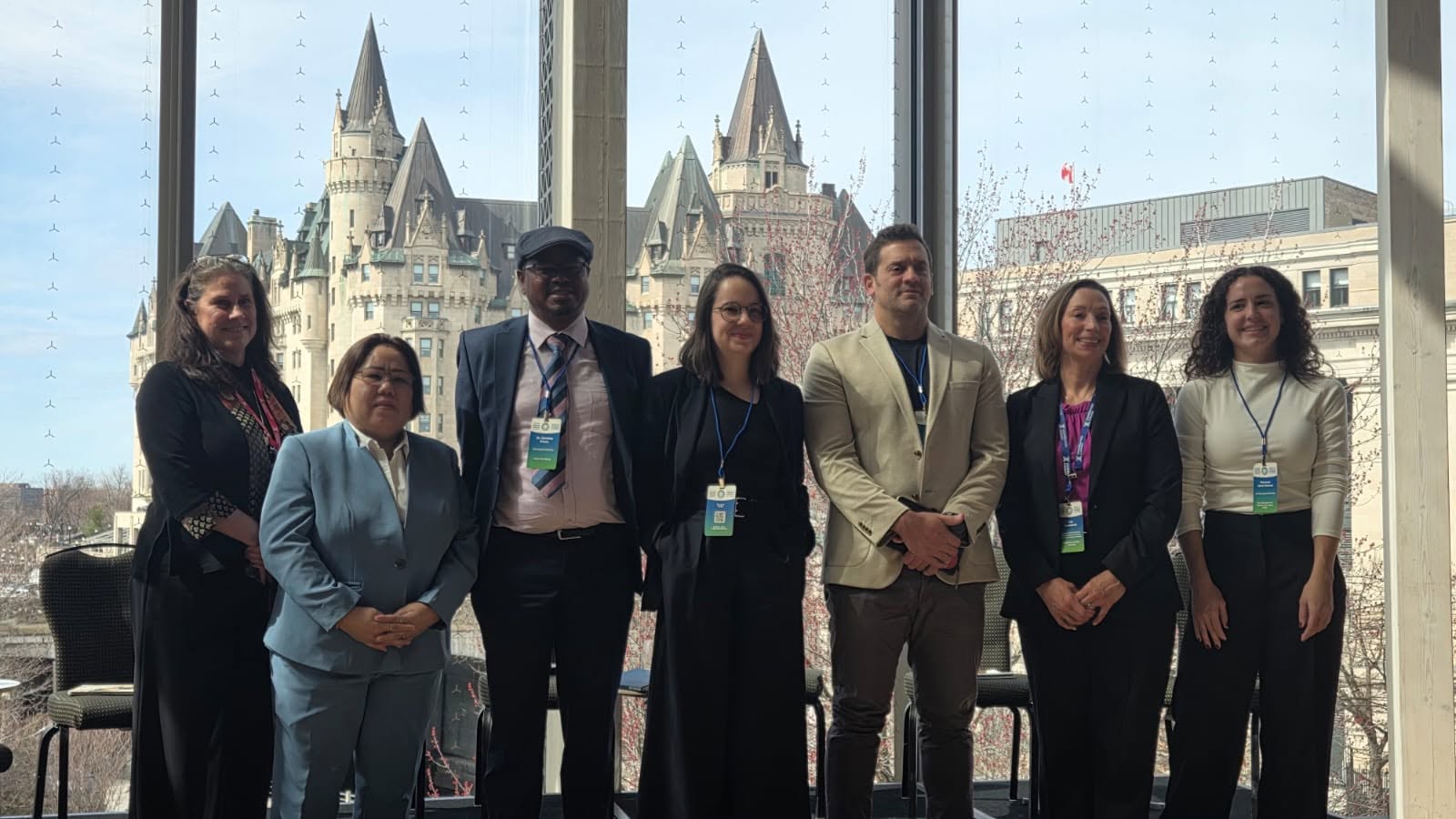
Research is not simply about generating knowledge, it is about ensuring that the voices, experiences, and justice needs of communities shape the decisions that affect their lives. By producing credible, community-driven evidence, research bridges the gap between people and institutions, ensuring that advocacy is rooted in lived realities and that laws and policies respond to the challenges communities face. In this way, research becomes a catalyst for legal empowerment, equipping people to know the law, use the law, and shape the law. It strengthens civic participation, enables communities to influence reforms that protect rights and expand civic freedoms, and contributes to building more responsive and accountable justice systems.
“Research only becomes meaningful when it empowers people. The evidence we generate must amplify community voices, inform reforms, and strengthen justice systems that are responsive to the people they serve.” Dr. Wambua Kituku, Executive Director, Kituo Cha Sheria
At Kituo Cha Sheria, research is integral to advancing people-centred justice in Kenya and beyond. It informs legal aid, community legal education, strategic litigation, and policy advocacy, ensuring that community experiences drive legal and policy reforms. From labour migration and forced displacement to alternative justice systems, land and housing rights, and access to justice, research provides the evidence that strengthens advocacy, amplifies community voices, and advances legal empowerment by enabling people to know the law, use the law, and shape the law. In doing so, it helps create a more open civic space where justice is informed by the realities and aspirations of the people it serves.
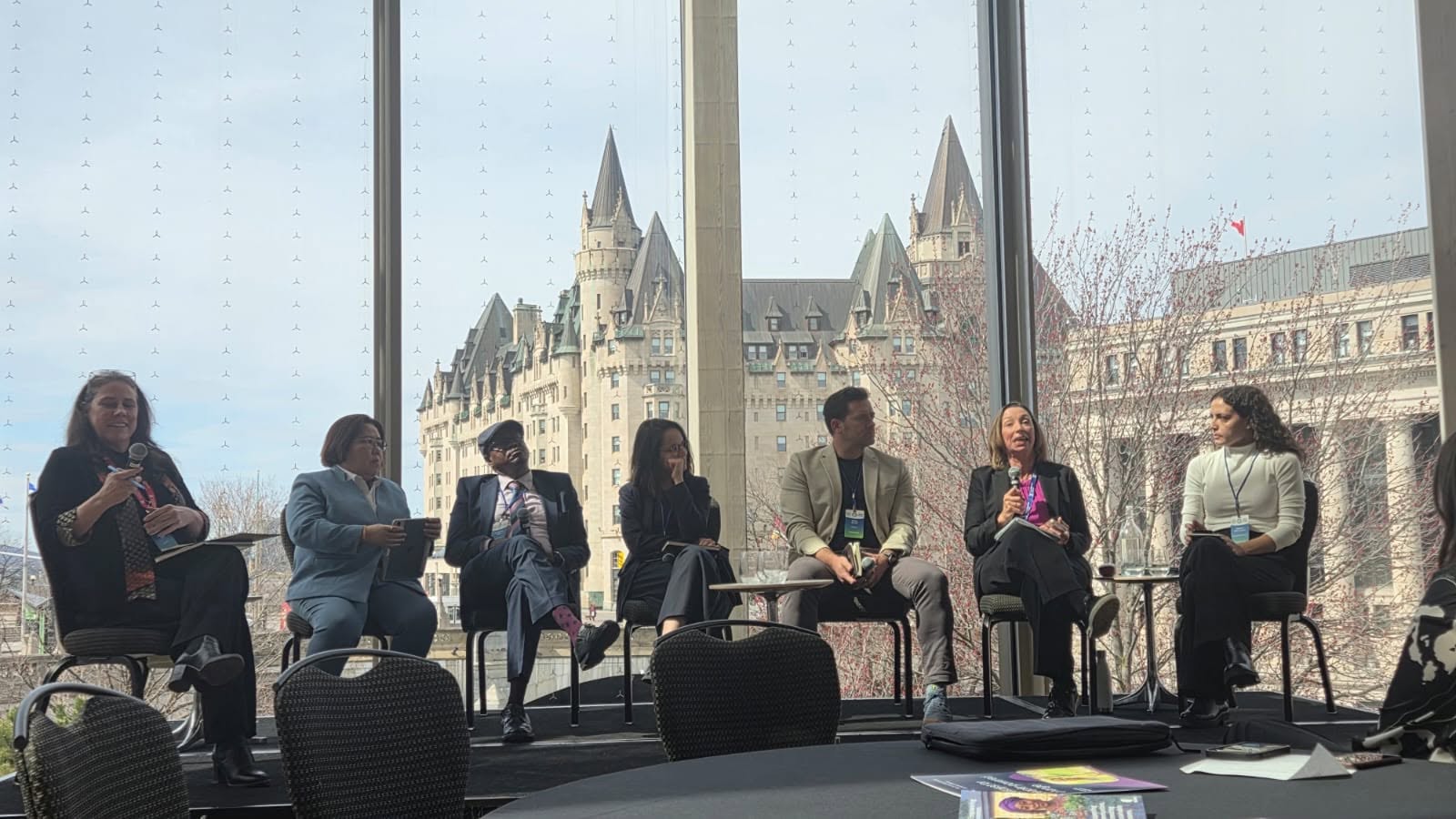
As civic space continues to evolve, the need for research that is collaborative, community-driven, and action-oriented has never been greater. Beyond informing policy and advocacy, such research strengthens public trust, deepens democratic participation, and ensures that justice systems remain responsive to the people they serve. By placing communities at the centre of knowledge production, research becomes a powerful force for protecting civic space and advancing people-centred justice in Kenya and beyond.
By Rony Alal
Communications Officer, Kituo Cha Sheria