
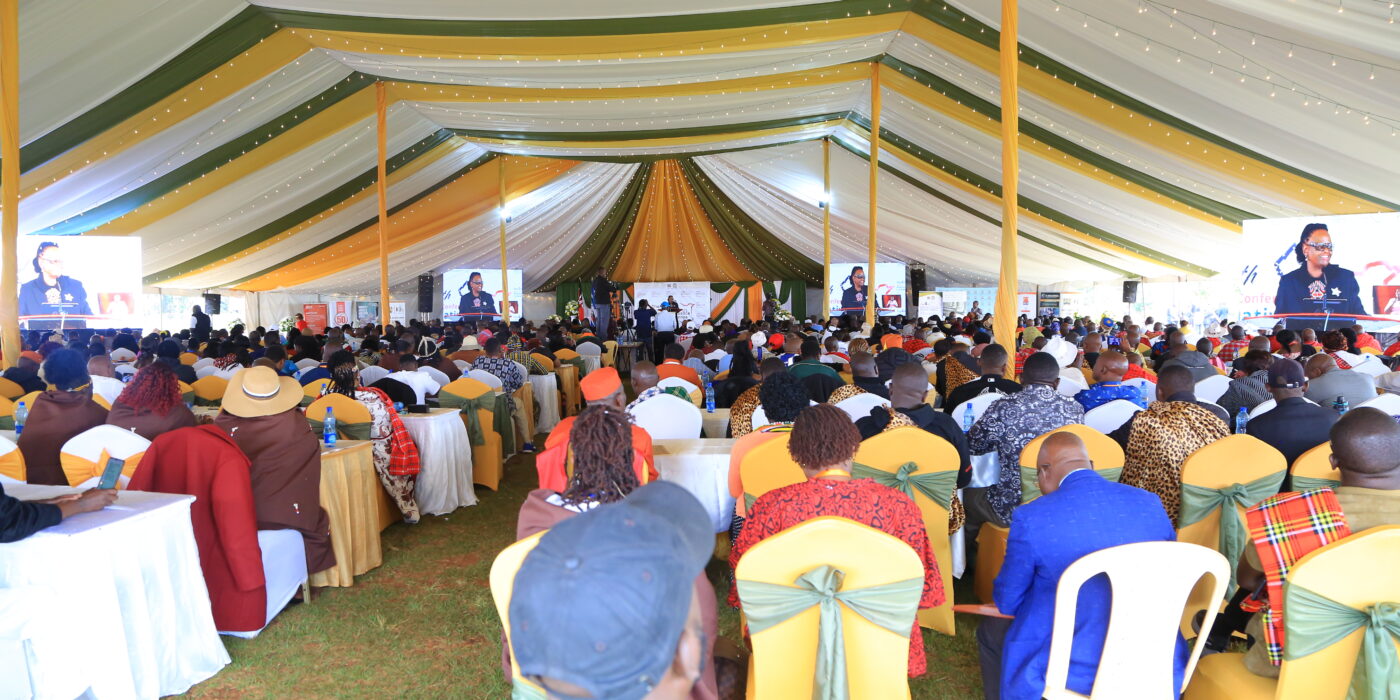
When a dispute is resolved through dialogue instead of litigation, when divided families find common ground, or when communities choose reconciliation over conflict, what does justice truly look like? Can justice be measured by the number of cases concluded, or should it be seen in stronger families, peaceful communities, and restored relationships? Is justice simply about reaching a legal decision, or is it about restoring relationships, rebuilding trust, and enabling communities to live together in peace?
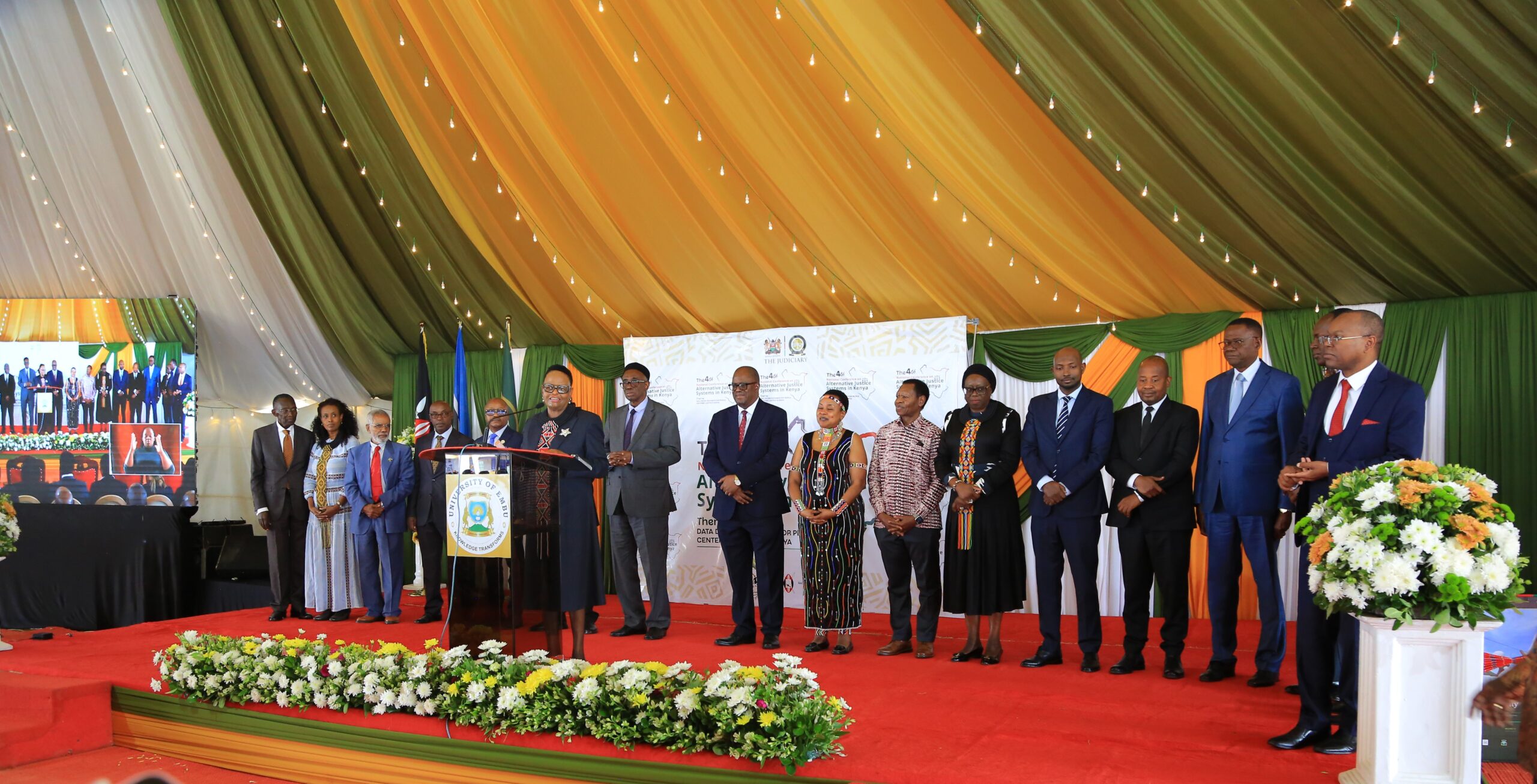
These thought-provoking questions and the pursuit of Data-Driven Pathways for People-Centred Justice in Kenya, the theme of the conference, set the tone for the 4th National Alternative Justice Systems (AJS) Conference, held from 16–19 June 2026 at Embu University. The four-day conference brought together an unprecedented gathering of justice leaders, including judges, magistrates, policymakers, researchers, community justice practitioners, civil society organisations, county governments, traditional dispute resolution practitioners, academia, and development partners from across Africa. Together, they explored how justice systems can become more responsive to the needs of the people they serve by placing communities, dignity, and lasting solutions at the centre of justice delivery.
“Traditionally, justice systems have relied on indicators such as case filings, case clearance rates, backlog reduction, and the speed of case resolution. These measures remain important… However, they do not always capture the full experience of justice from the perspective of the people we serve.” Hon. Justice Martha Koome, Chief Justice of the Republic of Kenya and President of the Supreme Court of Kenya
For Kituo Cha Sheria, the conference was a valuable platform to contribute to the growing national and continental conversation on people-centred justice. Throughout the event, the organisation engaged with justice sector actors, exchanged experiences, and strengthened its commitment to ensuring that justice is not only accessible but also meaningful, inclusive, and transformative for the communities it serves.

A key highlight of Kituo Cha Sheria’s participation was its exhibition booth, which attracted delegates from across the justice sector eager to learn about the organisation’s work in advancing Alternative Justice Systems and legal empowerment. The booth showcased Kituo’s decades of experience in promoting community-led justice through legal aid, community paralegal programmes, mediation, legal empowerment initiatives, and advocacy for Alternative Justice Systems. Through publications, resource materials, and interactions with delegates, Kituo demonstrated how empowering communities to understand, use, and shape the law contributes to peaceful dispute resolution, stronger institutions, and improved access to justice. The exhibition also created opportunities to build new partnerships, share best practices, and highlight the important role civil society continues to play in advancing people-centred justice in Kenya.

Throughout the conference, discussions challenged participants to rethink how justice is measured. While court performance has traditionally been assessed through indicators such as cases filed, concluded, and clearance rates, participants argued that these measures tell only part of the story. Equally important are outcomes that are often less visible but far more meaningful, whether relationships have been restored, communities have reconciled, rights have been protected, and future conflicts prevented.
“We must move from counting cases to measuring justice, from throughput to outcomes, from efficiency to human flourishing. That is the future.” Hon. Justice (Prof) Joel Ngugi, Chair, NaSCI-AJS.
These conversations strongly resonated with Kituo’s work across Kenya. For over five decades, the organisation has supported vulnerable and marginalised communities through legal aid, community legal empowerment, public interest litigation, and the promotion of Alternative Justice Systems. Its experience has consistently demonstrated that sustainable justice extends beyond legal outcomes to include dignity, participation, accountability, and social cohesion.

The conference also reinforced the growing recognition of Alternative Justice Systems as an essential pillar of Kenya’s justice architecture. As implementation of Article 159 of the Constitution continues to deepen, stakeholders emphasised the importance of strengthening community-based justice mechanisms while generating evidence that demonstrates their impact on people’s lives.
“AJS are not just an alternative for the vast majority of Kenyans. They are the primary choice.” H.E. Patrick Ole Ntutu, Governor of Narok County
The culmination of the conference marked another significant milestone for the AJS movement in Africa. The event was attended by 16 Chief Justices from across the continent, highlighting the growing continental commitment to people-centred justice and the exchange of innovative approaches to expanding access to justice. The conference also witnessed the official launch of the Embu Alternative Justice Systems Suite, a landmark initiative that strengthens institutional support for community-based dispute resolution and further embeds Alternative Justice Systems within Kenya’s justice sector.
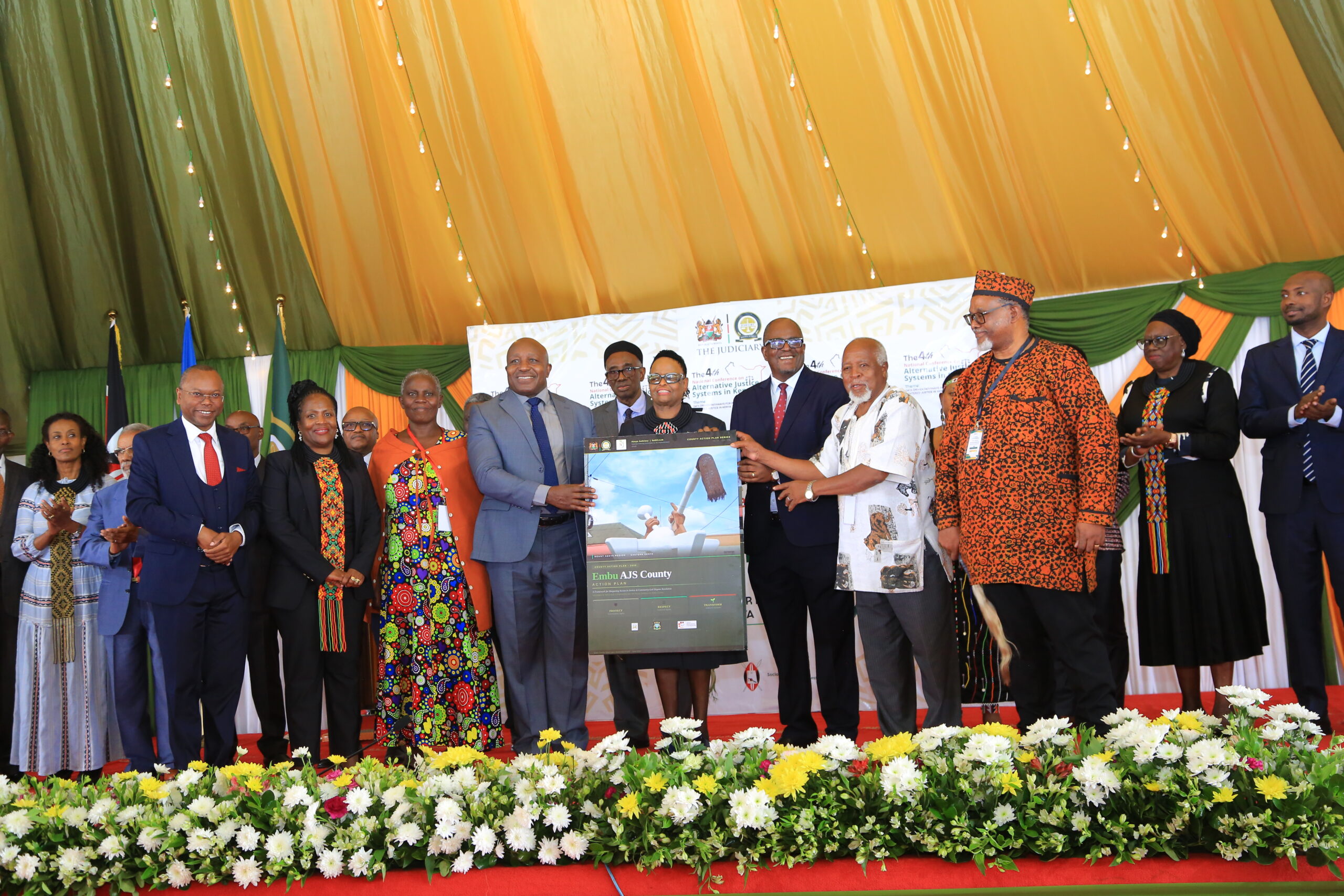
The conference concluded with a clear message: the future of justice lies not only in resolving disputes but also in creating stronger communities, restoring dignity, and ensuring that justice responds to the realities and needs of the people it serves.
“What if success is measured not only by the number of disputes resolved, but also by the number of relationships restored? What if justice is measured not just through efficiency, but also through reconciliation, trust, social cohesion, and human dignity?” Hon. Justice Martha Koome, Chief Justice of the Republic of Kenya and President of the Supreme Court of Kenya
As Kenya continues to shape a more inclusive and responsive justice system, Kituo Cha Sheria remains dedicated to advancing people-centred justice by supporting community-driven solutions, strengthening Alternative Justice Systems, and expanding legal empowerment initiatives. Through collaboration with communities, the Judiciary, and other justice sector actors, Kituo continues to champion a justice system where every person can understand, access, and participate in processes that protect their rights and uphold dignity.
By Rony Alal, Communications Officer, Kituo Cha Sheria