
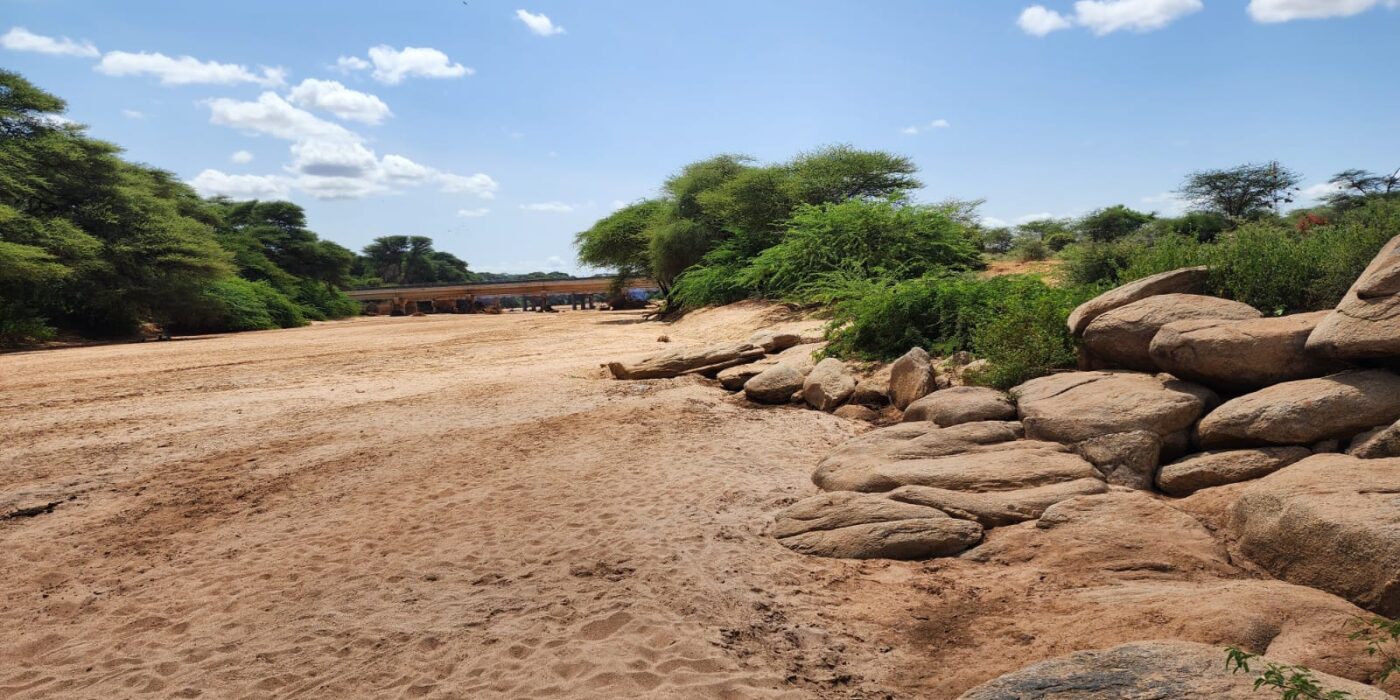
Land and natural resource governance are central to Kenya’s economic stability, environmental sustainability, and food security. As a land-based economy, Kenya’s agriculture sector contributes significantly to the national GDP, both directly and indirectly through strong linkages with other sectors. However, persistent food insecurity, particularly among communities that depend on communal tenure systems continues to undermine sustainable livelihoods, equitable development, and food production. The gradual shift from communal to private land ownership has further marginalized pastoralist and smallholder farming communities, restricting access to land for farming and grazing, and ultimately weakening the national food security goals.
To address these challenges, Kenya has undertaken significant legislative reforms, including the enactment of the Community Land Act, 2016, which seeks to recognize, protect and register community land rights in line with the Constitution of Kenya, 2010. The Act empowers communities to govern and manage their lands, ensuring tenure security and equitable utilization of natural resources. Despite its transformative promise, the implementation of the Community Land Act has been slow and uneven, constrained by limited public awareness, weak institutional capacity, and resource gaps that continue to impede the full realization of community land rights.
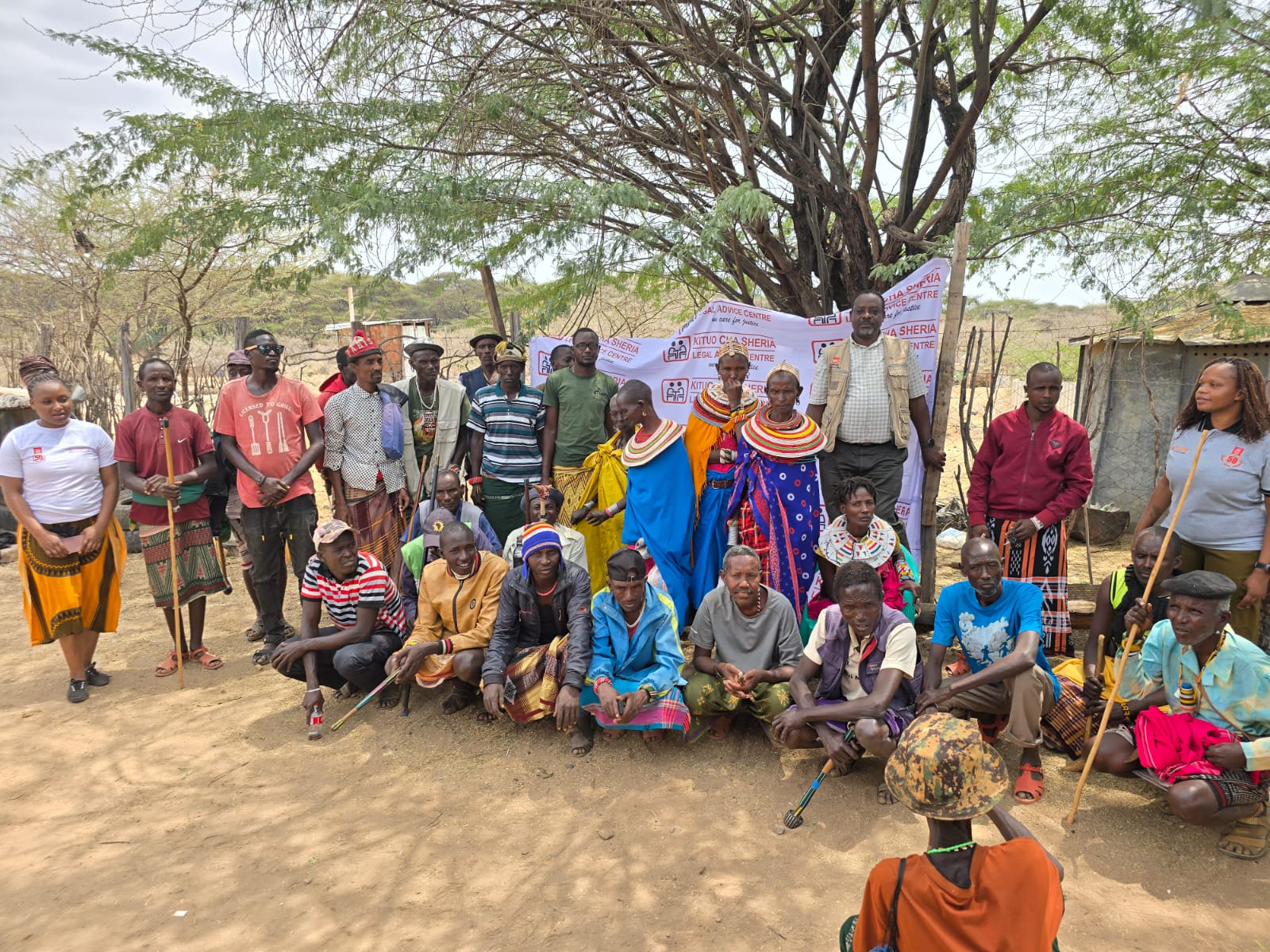
In this context, Kituo Cha Sheria, with funding from the Food and Agriculture Organization of the United Nations (FAO), co-funded by the European Union (EU), conducted a targeted data collection exercise in November 2025 to assess the status of implementation of the Community Land Act, 2016 and the Climate Change Act, 2016 in Kenya. The exercise aimed to generate evidence-based insights to inform policy advocacy at both national and county levels, with a strong focus on land justice, climate resilience, and food security.
The data collection covered key regions including Samburu, Kwale, Kisumu and Nairobi, bringing together community representatives, county and national government duty bearers, civil society actors, and technical experts. Through consultative engagements, the exercise documented community experiences, institutional practices, and coordination gaps affecting the enforcement of land and climate laws. Particular attention was paid to how tenure insecurity, climate vulnerability, and weak integration of land and climate governance frameworks continue to affect food production systems and livelihoods.
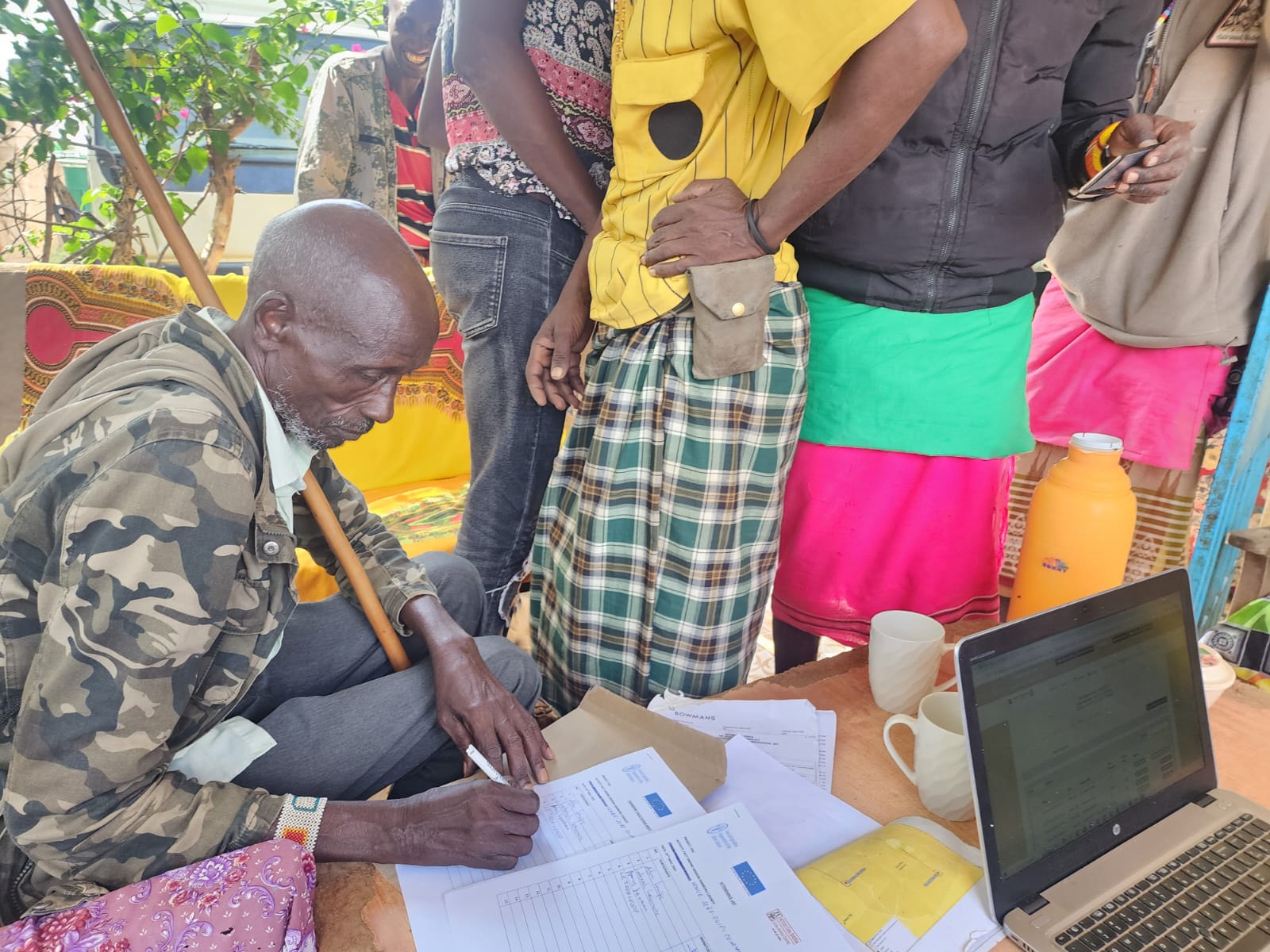
Findings from the field highlighted persistent challenges such as delayed community land registration, limited awareness of legal protections, and insufficient alignment between climate action planning and land governance processes. While the Climate Change Act provides a robust framework for climate action, its implementation has not been adequately harmonized with land governance systems, resulting in fragmented approaches that undermine sustainable land use and community resilience. These engagements were made possible through the Land Sector Non State Actors Network and the newly formed regional networks in these target regions.
Kituo Cha Sheria leveraged this network to ensure inclusive stakeholder participation and credible data gathering. The findings from the exercise will inform the development of a comprehensive memorandum on the status of implementation of the Community Land Act and the Climate Change Act. The memorandum will consolidate regional and national perspectives, identify bottlenecks and opportunities, and propose actionable recommendations to strengthen accountability, coordination and policy implementation.
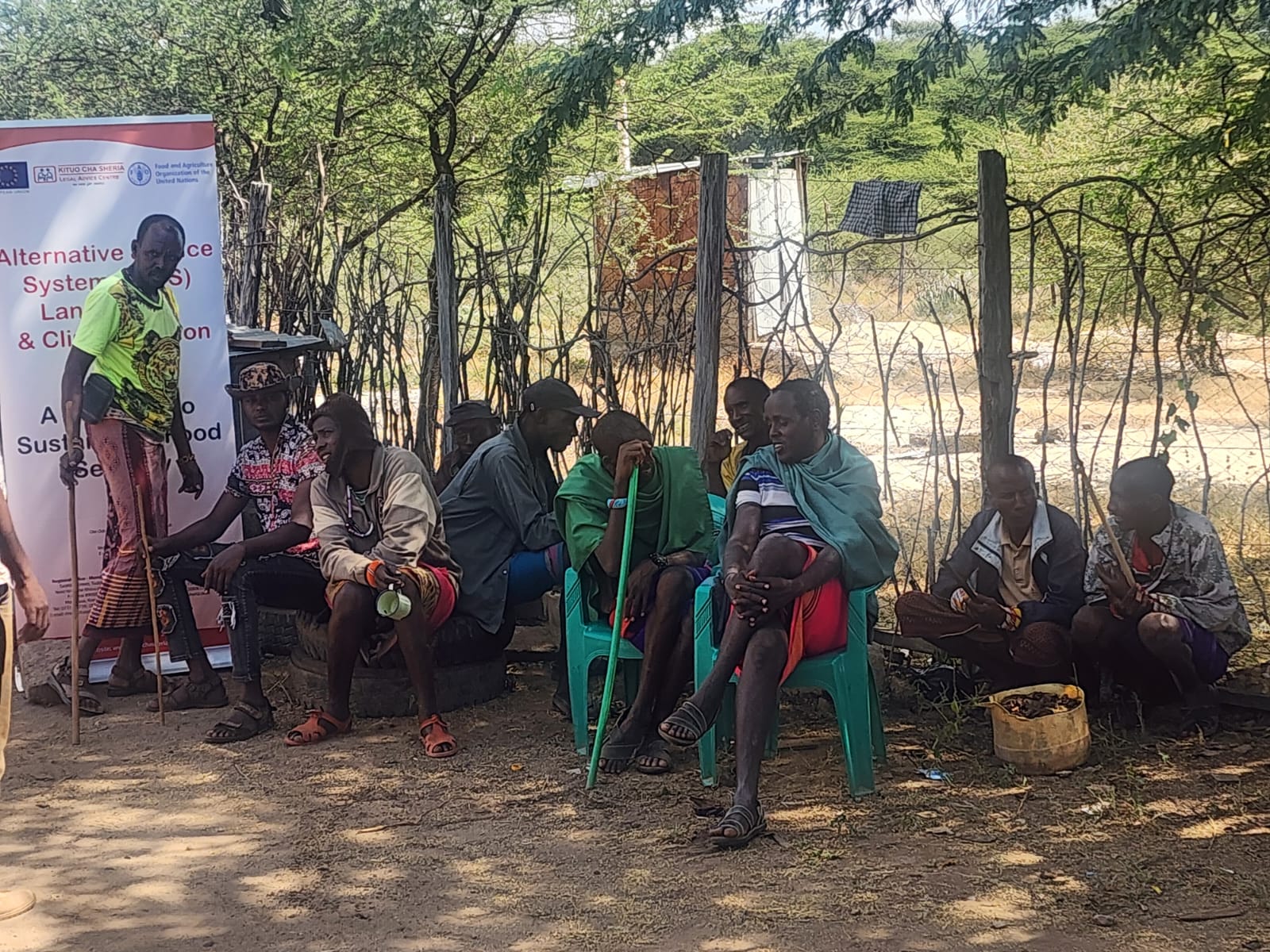
A stakeholder validation forum will be convened to review and enrich the findings before the final memorandum is presented to relevant state institutions as an advocacy tool. KITUO continues to advance people-centred land justice and climate governance, ensuring that progressive legal frameworks translate into tangible gains for food security, environmental sustainability, and the livelihoods of marginalized communities across Kenya.