
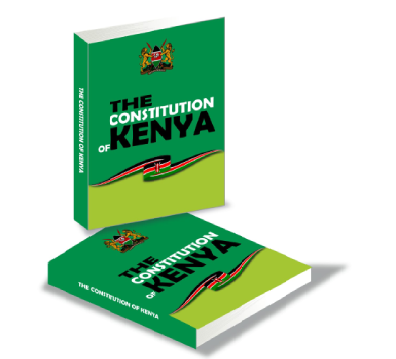
Sixteen years after the promulgation of the Constitution of Kenya, 2010, the story of Katiba is still a story in motion. It is a story that began long before 27 August 2010; with years of public pressure for political reform, the return to multiparty politics in 1991, constitutional review processes, the Bomas process, the rejection of the 2005 draft, and the crisis that followed the disputed 2007 elections. The 2010 Constitution emerged from that long and difficult journey, was approved by Kenyans in a referendum on 4 August 2010, and was promulgated at Uhuru Park on 27 August.
But Katiba was never meant to be simply a document to be placed on a shelf. Its opening words place sovereignty where it belongs: with the people. Article 1 declares that all sovereign power belongs to the people of Kenya, while Article 2 establishes the Constitution as the supreme law of the Republic, binding all persons and State organs. Its promise reaches into everyday life, protecting rights and freedoms, strengthening accountability, establishing checks and balances, creating devolved government and opening greater space for public participation. The Constitution transformed the relationship between the citizen and the State by making government power subject to constitutional limits rather than placing citizens at the mercy of power.
Sixteen years on, however, the real measure of a Constitution is not only what is written in its pages, but what happens when those words meet real life. A right matters when a person can invoke it. Accountability matters when citizens can demand it. Public participation matters when people’s voices shape decisions. And constitutional supremacy matters when institutions, leaders and citizens alike recognise that no office, individual or institution stands above the law.
Se informasjon om doubleu casino app og mobiltilgang.
That responsibility does not belong to the State alone. Civil society organisations have played and continue to play an important role in constitutionalism through civic education, legal empowerment, public interest litigation, human rights defence, policy advocacy, public participation and holding institutions accountable. The Constitution itself provides space for citizens to participate directly or through representatives, while its amendment framework recognises a role for popular initiatives.
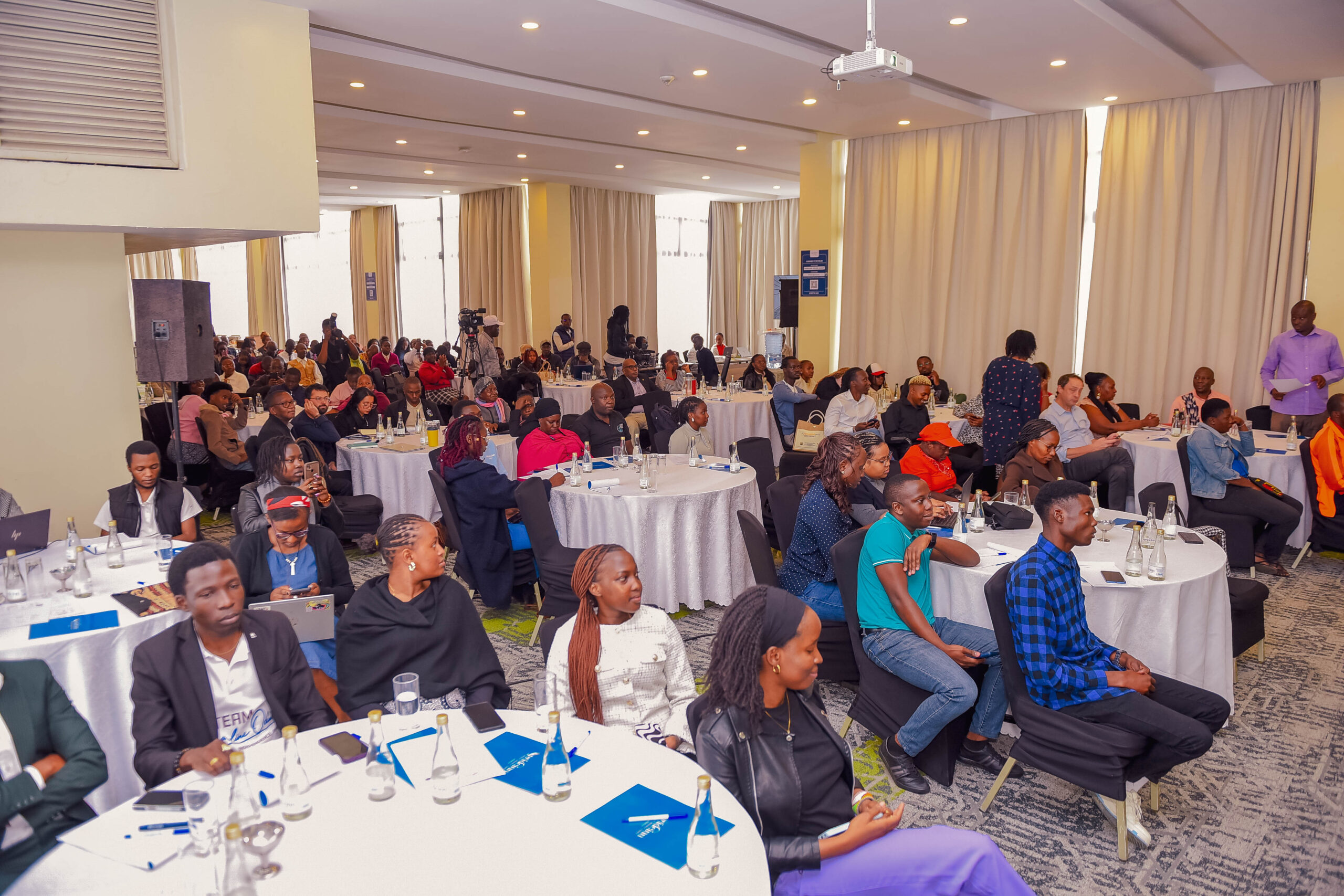
In commemoration of #KatibaAt16, Kituo Cha Sheria joined other civil society and justice actors in Nairobi to reflect on 16 years of the 2010 Constitution, the journey that led to its promulgation, and the responsibility to protect its promise of rights, freedoms, accountability and people’s power. Sixteen years on, the Constitution remains the supreme law of the land and a cornerstone of Kenya’s democratic and constitutional order.
Speaking during the reflections, Kituo’s Executive Director, Dr. Wambua Kituku, highlighted the long struggle for constitutional reform that culminated in the 2010 Constitution and called on civil society and all Kenyans to remain active in defending constitutional gains, demanding accountability and safeguarding the rights and freedoms guaranteed by Katiba. Upholding the Constitution, he noted, is a shared responsibility, one that requires citizens, institutions and civil society to understand, use and defend it.
“Defending the sovereignty of our Constitution is paramount. As we defend the Constitution, we must also think of offensive and counter tactics to ensure that its principles are actively protected and upheld.” Wambua Kituku Ph.D, Executive Director, Kituo Cha Sheria

For Kenya to attain a truly just, democratic and accountable society, legal empowerment must remain at the heart of constitutionalism. Citizens need to understand the Constitution, know their rights and responsibilities, and be equipped to use lawful avenues to challenge violations and demand accountability. At a time when concerns over abductions, impunity and disregard for the rule of law continue to test the country’s constitutional order, educating people on Katiba is not just about knowing what the Constitution says, it is about enabling citizens to recognise when constitutional principles are being undermined and to take informed, lawful action to protect them. Respect for the Constitution must therefore be a shared responsibility of citizens, State institutions and civil society, with continuous civic and legal education helping to ensure that the rights, freedoms, accountability and rule of law promised by the 2010 Constitution are lived realities.
As Kenya looks towards the 2027 General Elections, that responsibility becomes even more important. Recent #KatibaAt16 reflections by civil society actors have similarly focused on protecting civic space, strengthening constitutional implementation and ensuring that citizens remain at the heart of democratic life.
Katiba belongs to the people. Its strength cannot depend solely on courts, Parliament, government institutions or civil society. It lives in the citizen who asks questions, the community that participates in public affairs, the journalist who holds power to account, the human rights defender who stands with those whose rights are threatened, and institutions that respect the limits placed upon them.
By: Rony Alal