REIMAGINING RESEARCH TO ADVANCE PEOPLE-CENTRED JUSTICE: DR. WAMBUA’S REFLECTIONS FROM THE OTTAWA CIVIC SPACE SUMMIT

The struggle to protect and expand civic space is increasingly becoming a struggle over evidence. As governments, civil society, and communities navigate shrinking civic freedoms, research is no longer simply a tool for documenting challenges; it is an essential foundation for advancing people-centred justice. By generating credible evidence, amplifying lived experiences, and informing public policy, research helps ensure that justice systems respond to people’s realities rather than abstract assumptions.

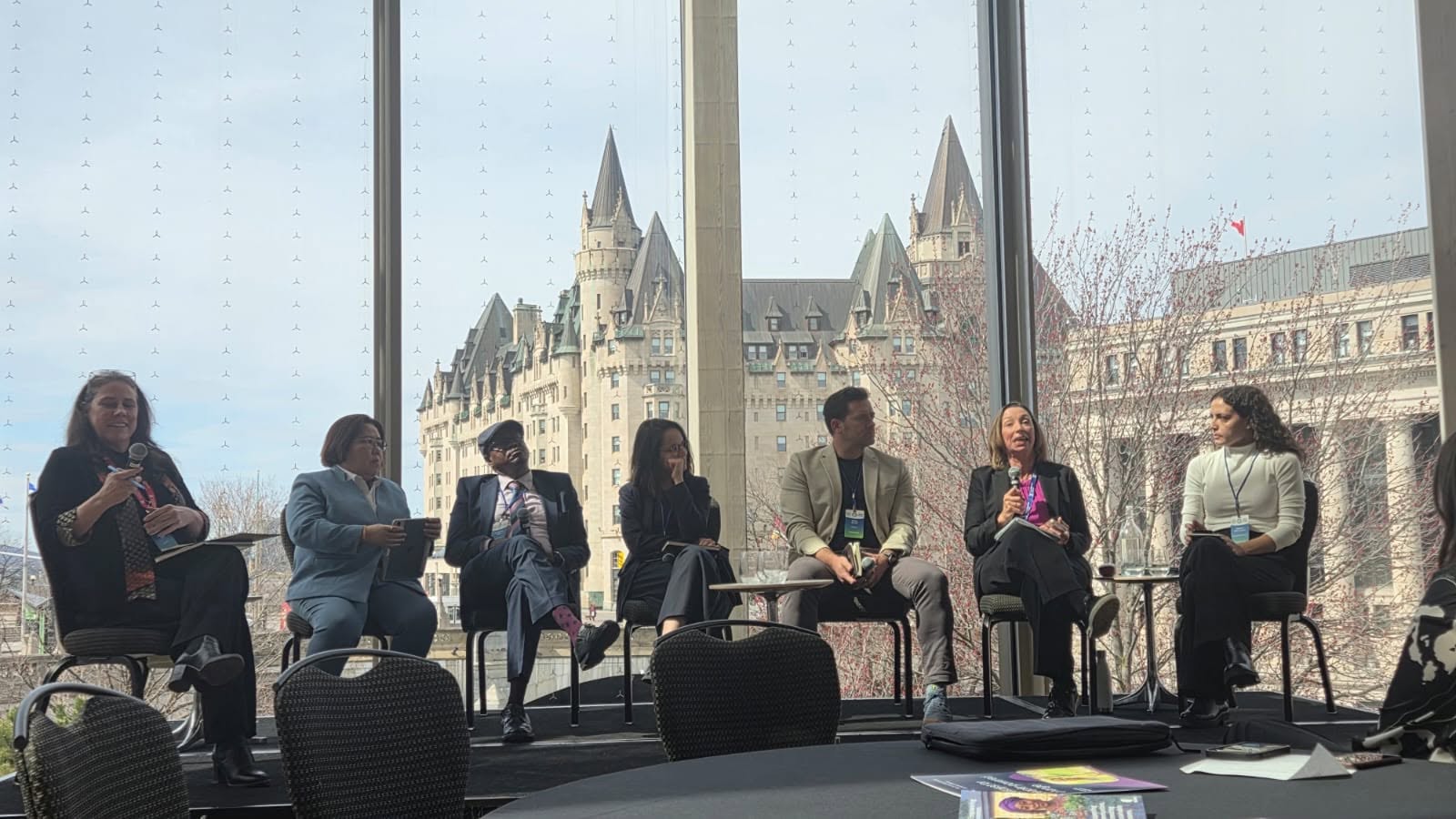
This perspective shaped discussions during the “Reimagine Research: Powering Civic Practice and Infrastructure” panel at the inaugural Ottawa Civic Space Summit 2026, held from 21 – 23 April 2026 in Ottawa, Canada, where Kituo Cha Sheria Executive Director Dr. Wambua Kituku joined global experts in examining the role of research in protecting and expanding civic space.

Research enables civil society to identify emerging threats, understand how restrictions affect different groups, and develop practical, evidence-based responses. Whether addressing restrictive laws, digital surveillance, or the silencing of civic voices, credible research strengthens advocacy, informs policy reforms, and promotes accountability. In this way, it becomes an essential pillar for safeguarding civic space and strengthening democratic participation.

“Research is most powerful when it begins with people. At Kituo Cha Sheria, we see research as more than generating evidence, it is about understanding the justice needs of communities and using that evidence to shape policy, strengthen advocacy, and build justice systems that are responsive, inclusive, and accountable. When research reflects lived experiences, it becomes a catalyst for protecting civic space and advancing people-centred justice.”  Dr. Wambua Kituku, Executive Director, Kituo Cha Sheria

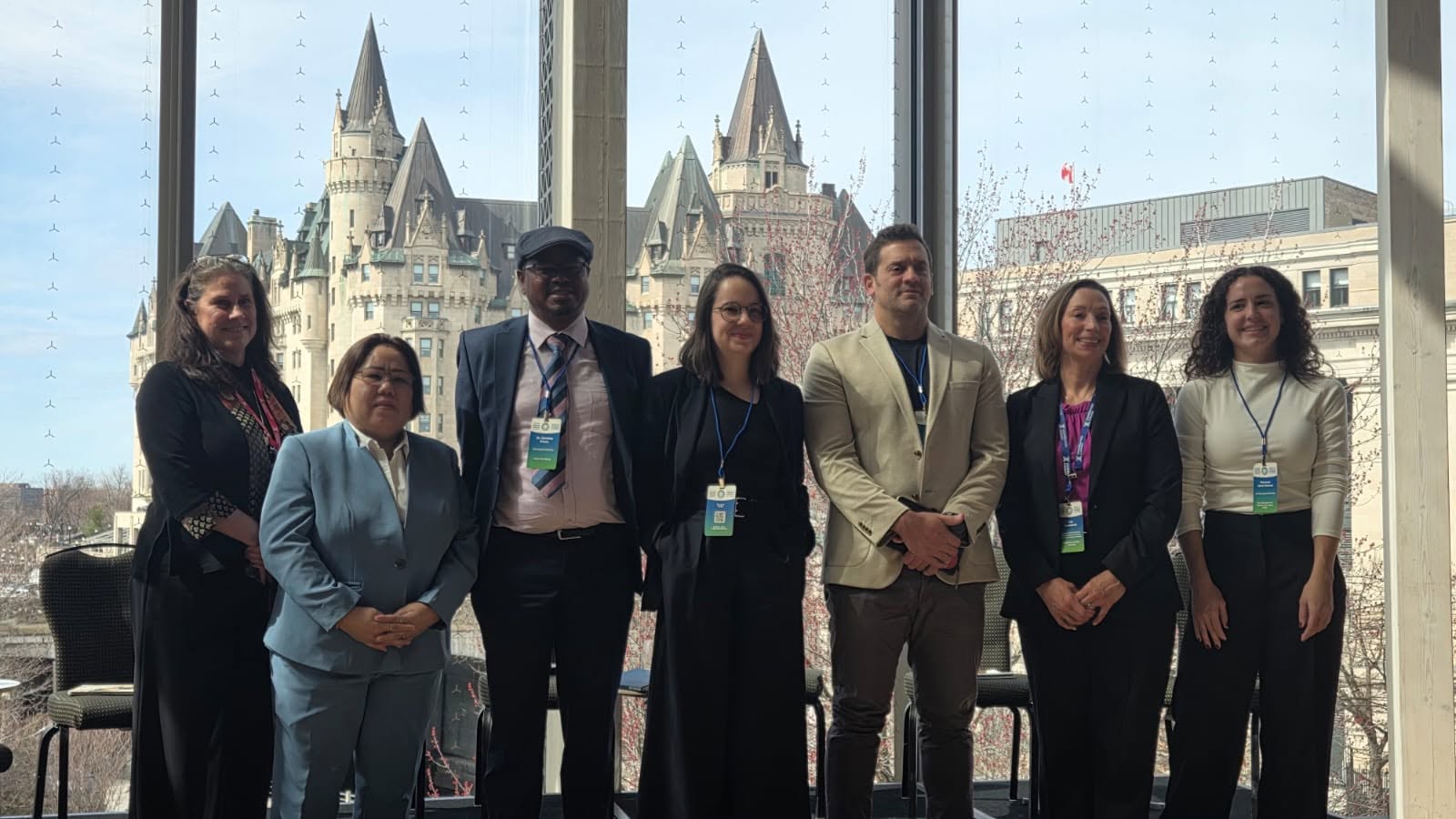
Panelists pose for a group photo after the panel discussion at the inaugural Ottawa Civic Space Summit held in Ottawa, Canada (Dr. Wambua Kituku, 3rd left).

Research is not simply about generating knowledge, it is about ensuring that the voices, experiences, and justice needs of communities shape the decisions that affect their lives. By producing credible, community-driven evidence, research bridges the gap between people and institutions, ensuring that advocacy is rooted in lived realities and that laws and policies respond to the challenges communities face. In this way, research becomes a catalyst for legal empowerment, equipping people to know the law, use the law, and shape the law. It strengthens civic participation, enables communities to influence reforms that protect rights and expand civic freedoms, and contributes to building more responsive and accountable justice systems.

“Research only becomes meaningful when it empowers people. The evidence we generate must amplify community voices, inform reforms, and strengthen justice systems that are responsive to the people they serve.” Dr. Wambua Kituku, Executive Director, Kituo Cha Sheria

At Kituo Cha Sheria, research is integral to advancing people-centred justice in Kenya and beyond. It informs legal aid, community legal education, strategic litigation, and policy advocacy, ensuring that community experiences drive legal and policy reforms. From labour migration and forced displacement to alternative justice systems, land and housing rights, and access to justice, research provides the evidence that strengthens advocacy, amplifies community voices, and advances legal empowerment by enabling people to know the law, use the law, and shape the law. In doing so, it helps create a more open civic space where justice is informed by the realities and aspirations of the people it serves.

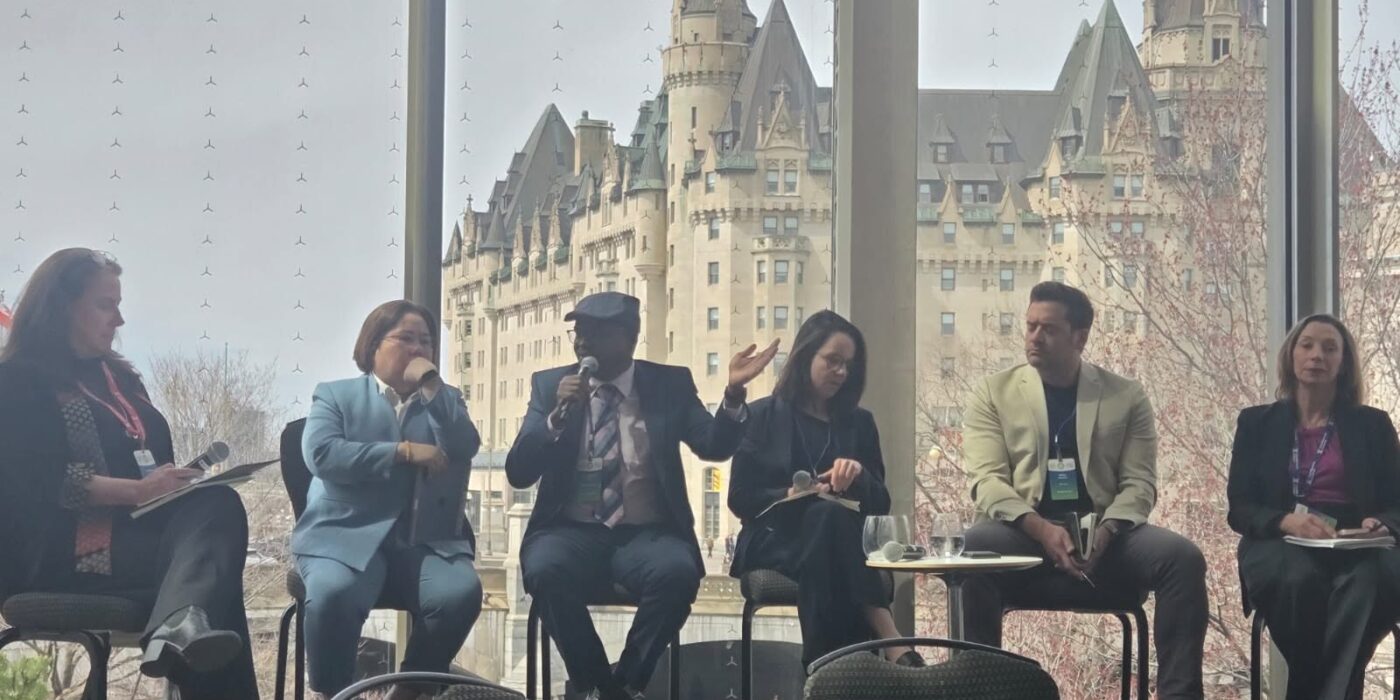
Dr. Wambua Kituku (third left) participates in a panel discussion during the inaugural Ottawa Civic Space Summit held in Ottawa, Canada.

As civic space continues to evolve, the need for research that is collaborative, community-driven, and action-oriented has never been greater. Beyond informing policy and advocacy, such research strengthens public trust, deepens democratic participation, and ensures that justice systems remain responsive to the people they serve. By placing communities at the centre of knowledge production, research becomes a powerful force for protecting civic space and advancing people-centred justice in Kenya and beyond.

By Rony Alal
Communications Officer, Kituo Cha Sheria

FROM TRAUMA TO HOPE: A REFUGEE’S JOURNEY BEYOND LEGAL AID

For many years, Kituo Cha Sheria has been a beacon of hope for the poor and the vulnerable in Kenya and beyond, including refugees. Through its commitment to legal empowerment and the provision of legal aid, Kituo has enabled countless individuals to access justice and reclaim their dignity. However, not all who seek legal aid require legal intervention alone. Some carry a far heavier burden, one shaped by trauma, loss, and experiences that the law, by itself, cannot heal.

Within Kituo’s Forced Migration Programme, this reality is well understood. The programme integrates psychosocial support through dedicated counsellors who walk with clients beyond the courtroom, helping them rebuild not just their cases, but their lives.

This was the case for James (not his real name), a Congolese refugee who came to Kituo Cha Sheria seeking legal assistance. James’s story is one of survival against overwhelming odds.

When James first arrived, he appeared like many others, hopeful, yet visibly weighed down. During the initial screening, the legal officer quickly realized that his needs extended far beyond legal representation. Beneath his request for justice was a deep and urgent psychological crisis. James was struggling with severe trauma and suicidal thoughts, rooted in a past marked by unimaginable violence and hardship.

He recalls, with painful clarity, the moment his life was shattered. His father was killed in front of him during conflict in the Democratic Republic of Congo. Soon after, those responsible began searching for him, intending to kill him as well. Forced to flee, James embarked on a journey filled with fear, uncertainty, and suffering.

“When I left Congo, I went through so many hardships. War had already begun, and even conflict within my family had started. My father was killed before my eyes, and after his death, they came looking for me so they could kill me as well. But by the grace of God, I was spared. God had a plan for me.”

At one point during his escape, while seeking refuge alongside strangers who were also fleeing for safety, they were captured by armed men and taken deep into the forest. There, he was subjected to forced labor, constant beatings, and inhumane treatment. He witnessed the brutal killings of the very strangers he had met, carried out by the armed men who had captured them, and lived in constant fear for his life. Near the bodies of those victims, he was sexually assaulted by two men, an ordeal that left him unconscious and with deep physical and emotional scars.

“I saw that my friends, the same ones I had met that evening had been killed. Out of fear, I lost control of myself and didn’t know what to do. The commander told me, ‘If you refuse to do what we say, you see how they are lying there dead, and that will be you.’ He then did everything he wanted to me. He raped me… Two of them had assaulted me, and I received no treatment or help.”

Eventually, amid the chaos of a clash between the armed group and police, James seized a chance to escape. Disoriented and alone, he fled without a clear direction until he reached a village near the Uganda border. From there, he found his way to Nairobi, Kenya.

In Nairobi, James had no family, no support system, and no place to call home. He survived on the streets, often sleeping in open spaces. At one point, he was beaten for sleeping in a clothes stall, a moment that further deepened his sense of despair. Though he later found temporary refuge with fellow Congolese nationals who helped him learn barbering, his struggles persisted.

In an attempt to build a better future, James saved money and entrusted it to an individual who promised to help him travel abroad. The promise turned out to be a scam. He lost all his savings of Kenyan shillings 80,000 and when he sought help, he was dismissed and reminded of his vulnerability as a non-citizen.



“One of my customers, whom I used to shave, told me he had helped many Congolese secure jobs abroad and encouraged me to try my luck. I explained that I had no family or support and asked for a year to raise the money. After working hard, I gave him Ksh. 80,000 and waited, but months passed with no response. When I finally asked for my money back, his attitude changed, and he told me, ‘You’re not even Kenyan and there’s nothing you can do to me.”

Overwhelmed by cumulative trauma, loss, and hopelessness, James began experiencing persistent thoughts of ending his life. Fear haunted his sleep, and the weight of his past seemed unbearable. Even after obtaining refugee documentation, the emotional wounds remained raw and unresolved.

It was at this lowest point that James was referred to Kituo Cha Sheria.

“That’s when thoughts of ending my life began to come into my mind. I lived in constant fear, even in my sleep. I kept thinking about death.”…

“Later, I heard about a refugee center that helps people. I went there and explained my situation, but they told me my case needed to be taken to Kituo Cha Sheria. That’s how I ended up ta kituo cha sheria.”

Recognizing the urgency of his condition, the legal officer referred him to Kituo’s psychosocial support services under the Mental Health and Psychosocial Support (MHPSS) Programme. There, he met Habiba Mohamed, psychosocial counsellor.

Through consistent counselling sessions, Habiba provided James with a safe space to process his trauma. She helped him confront painful memories, manage stress, and understand that his experiences though devastating did not define his worth. Slowly, through patience and care, James began to heal. He rediscovered a sense of purpose.

The thoughts that once consumed him began to fade, replaced by a renewed will to live. With emotional and psychological support, he started to rebuild his life, not just as a survivor, but as someone with value, dignity, and hope for the future.

“She supported me mentally, emotionally, and showed me that I still have value and purpose in life. She gave me hope. The person I am today, and the changes in my life, are because of her.”

His journey is a powerful reminder that justice is not only about legal outcomes, it is also about restoring humanity. At Kituo Cha Sheria, this holistic approach ensures that individuals like James are not only heard in law, but also healed in life.

“This boy came for legal aid; he never came for counselling. When our lawyers saw his condition, he was immediately referred for counselling. He was in a very bad state. He was suicidal and had lost hope in life but through the sessions, he has recovered well…I encourage boys and men not to keep quiet, but to speak up and seek help.” Habiba Mohamed, Psychosocial Counsellor, Kituo Cha Sheria

Watch the full story here: https://youtu.be/n0Br-a94auk

By; Rony Alal

The Cost of Incomplete Justice, Why Kenya Must Move from Court Awards to a National Reparations System

Kenya has become increasingly adept at recognizing human rights violations in court. Our Constitution guarantees access to justice, dignity, equality, and effective remedies. Courts have repeatedly found the State liable for torture, unlawful detention, police brutality, historical abuses and violations of socio-economic rights. Yet for many victims, a favourable judgment is only the beginning of another struggle: the fight to actually receive compensation, rehabilitation, or meaningful redress.

This is the uncomfortable truth of Kenya’s human rights landscape: we issue judgments, but too often fail to deliver justice.

Article 23 of the Constitution empowers courts to grant appropriate relief for violations of rights, including compensation. Article 22 gives every person standing to institute proceedings for enforcement of the Bill of Rights. Article 48 guarantees access to justice, while Article 159 requires justice to be administered without delay. These provisions were intended to make remedies real, not symbolic. Yet many victims who secure damages orders wait years for payment, face bureaucratic resistance, or receive monetary awards with no psychosocial or institutional follow-up.

This gap between judgment and implementation undermines public confidence in the rule of law. A right without an enforceable remedy is an aspiration, not protection.

Kenyan courts have made significant progress in affirming accountability. Victims of torture at Nyayo House successfully sued the State for atrocities committed during the one-party era. In Imanyara & 2 others v Attorney General (Civil Appeal 98 of 2014) [2016] KECA 557 (KLR) (19 May 2016) (Judgment), the Court of Appeal reaffirmed that constitutional damages serve not merely compensatory but vindicatory purposes. The Court recognised that where the State violates rights, damages may be necessary to affirm the value of those rights and deter future abuse.

Similarly, in Coalition on Violence Against Women & 11 Others v Attorney General & 5 Others (2020), the High Court confronted the State’s response to sexual and gender-based violence during the post-election crisis. The case underscored that the state’s failure to prevent, investigate and remedy serious violations can itself attract constitutional responsibility. Yet even where courts recognize such harms, survivors often continue to wait for meaningful reparations.

These cases matter deeply. But they also expose a structural weakness: Kenya relies almost entirely on litigation to remedy human rights harm. Litigation is slow, expensive, adversarial and inaccessible to many survivors, especially the poor, rural communities, persons with disabilities, refugees, women facing stigma, or families of disappeared persons. Even when victims succeed, execution against government agencies can be cumbersome and delayed.

Comparative practice shows that courts alone cannot deliver meaningful reparative justice. Countries such as Colombia, South Africa, and Morocco have adopted administrative frameworks, including mechanisms under victims’ restitution regimes that provide registration, compensation, psychosocial care, education support, and land restitution without requiring individual litigation.

Kenya need not copy this model, but we should learn from a common lesson, reparations work best when institutionalised, not improvised. Kenya must think beyond one-off payouts. We need a National Reparations System anchored in law, adequately funded, transparent and survivor-centred.

First, Parliament should establish a National Human Rights Reparations Fund. This fund should be ring-fenced and financed through annual Treasury appropriations, a portion of recovered proceeds of corruption, court-imposed penalties for rights violations, and other lawful public revenue streams. Victims should not depend on whether an individual ministry decides to budget for an old decree.

Second, Kenya should adopt a standardised compensation matrix. Today, awards for similar harms vary widely depending on court, judge, legal representation and evidence available. While judicial discretion remains important, policy guidance could improve consistency for categories such as unlawful death, torture, enforced disappearance, sexual violence by state actors, arbitrary detention and protest-related disability. Equality before the law should include reasonable equality in remedies.

Third, reparations must extend beyond cash. A widow whose breadwinner was unlawfully killed may need school fees support for children, counselling, healthcare and livelihood assistance more than a cheque delayed for six years. Survivors of torture may need trauma care. Victims of unlawful eviction may need housing support and documentation restoration. Effective remedies should repair lives, not merely settle files.

Fourth, there must be a digital public accountability portal showing judgments entered against the State for human rights violations, payment status, pending claims and annual budget allocations. Transparency would reduce opacity and pressure institutions to comply.

Fifth, reparations should include guarantees of non-repetition. That means police reforms, command accountability, proper investigations, human rights training, preservation of evidence, and disciplinary consequences for repeat abuse. Compensation without reform simply prices injustice into governance.

Human rights remedies are not charity. They are constitutional obligations. Article 21 requires the State to observe, respect, protect, promote and fulfil rights in the Bill of Rights. Where it fails, repair is part of governance, not generosity.

Judgment is important. But judgment alone is not justice. Justice arrives when the widow is paid, when the survivor is healed, when the disappeared are acknowledged, and when institutions change so the next victim never exists.

By Faith N. Claudi

Legal Officer

Kituo cha Sheria- Forced Migration Programme

Turning Policy into Progress: How RAWI–EA Is Transforming Refugee Livelihoods

“What Magic, Exactly, Are Refugees Expected to Perform?”

Picture this. A young, ambitious, educated refugee sits across from a potential employer. They went to school here in Kenya. They studied the same curriculum as their Kenyan counterparts, sat the same exams and qualified, and have walked the same corridors searching for jobs. And yet the employer is required by law to prove that no Kenyan can do the job this refugee is applying for. The same job. The same skills. The same education system.

What magic, exactly, are they expected to perform?

This is not hypothetical. This is the daily reality for hundreds, if not thousands, of refugees in Kenya who want nothing more than to work legally, fairly, and with dignity, and contribute to the economy, but they find themselves blocked at every turn. Not by lack of ability or qualifications, but by a system that was not designed with them in mind, and has been too slow to change.

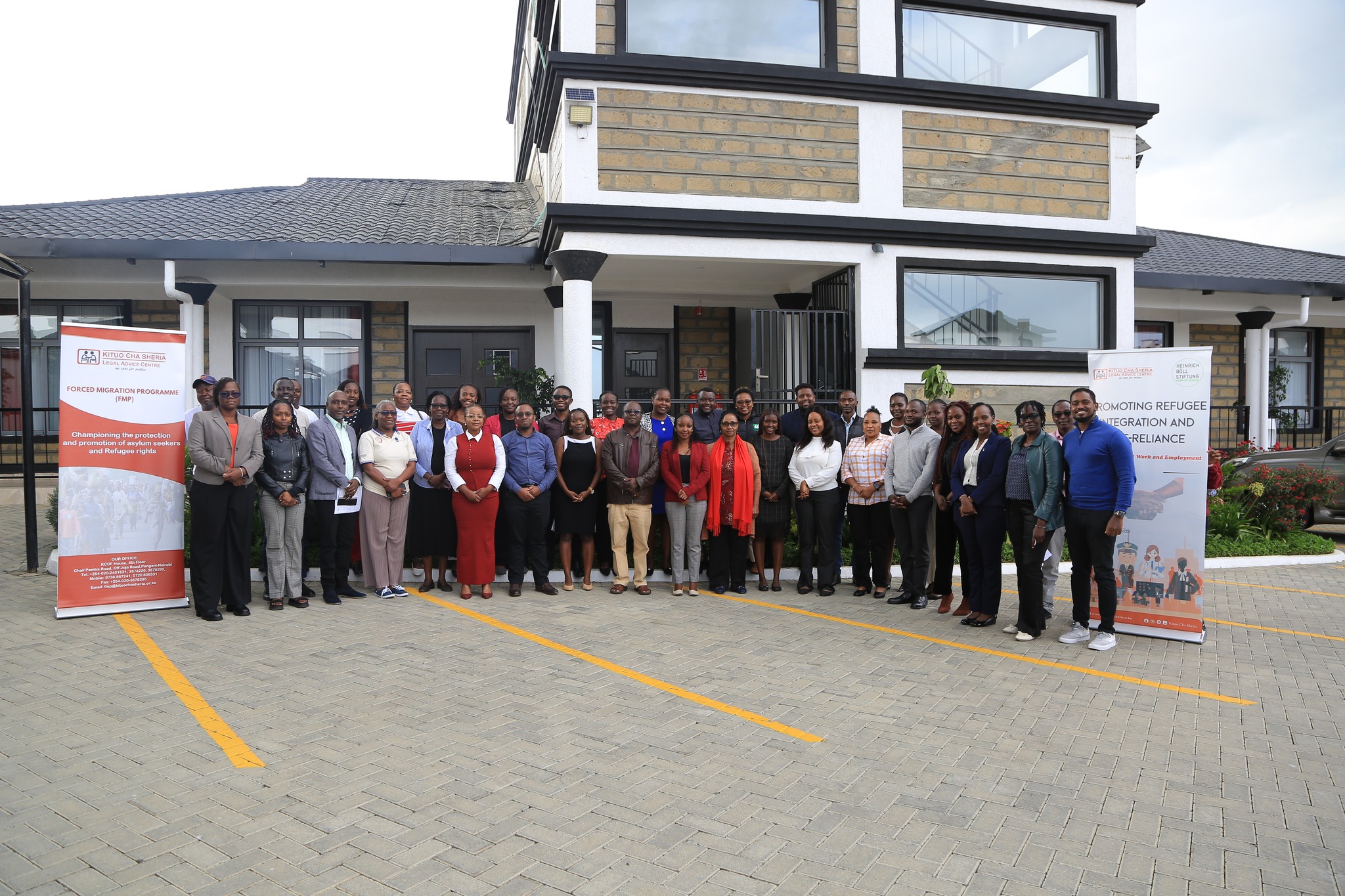
RAWI–EA Coalition Sub-Committee Leads during the inaugural meeting at PrideInn Hotel.

Their dreams are on hold. Their plans to build families, to innovate, to make meaningful life contributions are on hold. In the absence of decent, formal work and equal pay, many are pushed into exploitative arrangements just to get through each day. Others fall into despair. And all of this is happening at a time when humanitarian assistance is dwindling by the day. And the people caught in between are running out of options. And so, we ask ourselves, whose job is it to change this?

Section 28 of the Refugees Act 2021 is one of the most progressive provisions in refugee law in Africa. It expressly guarantees refugees the right to work. Kenya ratified the 1951 Refugee Convention, the Shirika Plan commits to socioeconomic integration and the Nairobi County Refugee Integration Strategy recognizes refugee documentation as valid. On paper, Kenya has made the promise. But in practice, the Kenya Citizenship and Immigration Act still requires employers to prove that no Kenyan can perform a job before a refugee can be hired for it. Ask yourself: how does a refugee who grew up in Kenya, or who fled to Kenya for safety, studied in Kenya, and knows no other (safe) home, how do they prove they have a special skill that a Kenyan cannot have, when they were taught by the same teachers, in the same schools, with the same curriculum? The Advocates Act, for instance, bars non-citizens from being admitted to the bar. The Engineers’ Rules restrict professional registration. Refugees are expected to produce passports from countries they fled, a document many never had, or lost, or cannot safely obtain.

RAWI–EA team at the launch of the research on the analysis of the legal and policy framework on refugees’ right to work in Naivasha.

For years, many organizations across Kenya and beyond Africa had been doing genuinely good work on refugees’ right to work through litigation, research, advocacy and lobbying, as well as skills development and capacity building, with policymakers invited to multiple forums by different organizations; however, despite these sustained efforts, more still needed to be done to translate this work into the meaningful, lasting changes most sought by refugees.

To drive more coordinated and impactful action, Refugee Access to Work and Inclusion – East Africa (RAWI–EA) was formed in 2025, a coalition of civil society organizations, refugee-led groups, academic institutions, communications experts, and policymakers, each bringing their unique expertise, each retaining their organizational autonomy but all united around one goal: making the right to decent work for refugees real, not just on paper.

RAWI exists to unlock access to decent work for refugees by addressing the systemic barriers that keep skilled and willing individuals on the margins. It focuses on those unable to access higher education or regulated professions, or forced into underpaid work due to lack of documentation, supporting their transition into dignified, productive livelihoods as contributors and taxpayers. At the same time, RAWI brings together change makers and organizations to align efforts, recognizing that meaningful progress requires coordinated action, not fragmented interventions.

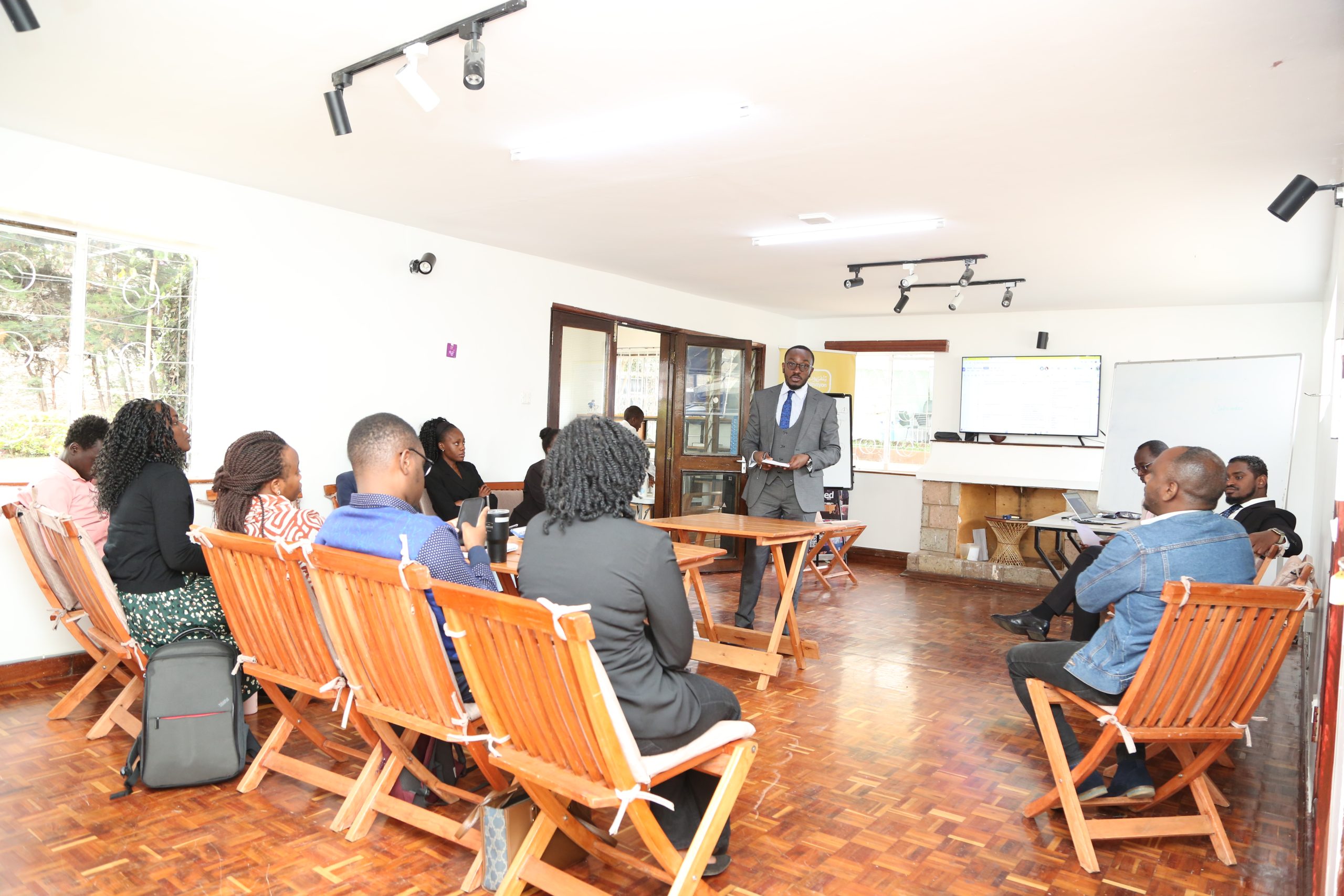
Kituo Cha Sheria Legal Officer, Caleb Mbugua, chairs the RAWI–EA Monthly Working Group Meeting.

RAWI–EA’s greatest achievements include four refugee advocates admitted to the Bar, one refugee admitted to the Kenya School of Law, a public interest litigation, the first of its kind in East Africa, now moving through the courts. These are complemented by a groundbreaking legal and policy analysis that provides the evidence we need, and by employer forums where the question is no longer whether refugees should work, but how they can do so legally, decently, and under fair conditions. Importantly, we have secured concrete commitments from policymakers to work hand in hand with us.

RAWI’s momentum is real, but we cannot sustain it alone. We invite organizations, development partners, and refugee professionals to bring their knowledge, networks, and leadership to this coalition. Together, we can move as one, ensuring that the right to work under Section 28 of the Refugees Act 2021 becomes a reality for all refugees.

Join RAWI-EA, partner with us, or support our work. Contact the coalition secretariat at Kituo Cha Sheria: kemuma@kituochasheria.or.ke

 The Author, Margaret Kemuma, is the Forced Migration Program Coordinator at Kituo Cha Sheria, the RAWI-EA Secretariat.

Promoting People-Centred Justice and Community Healing

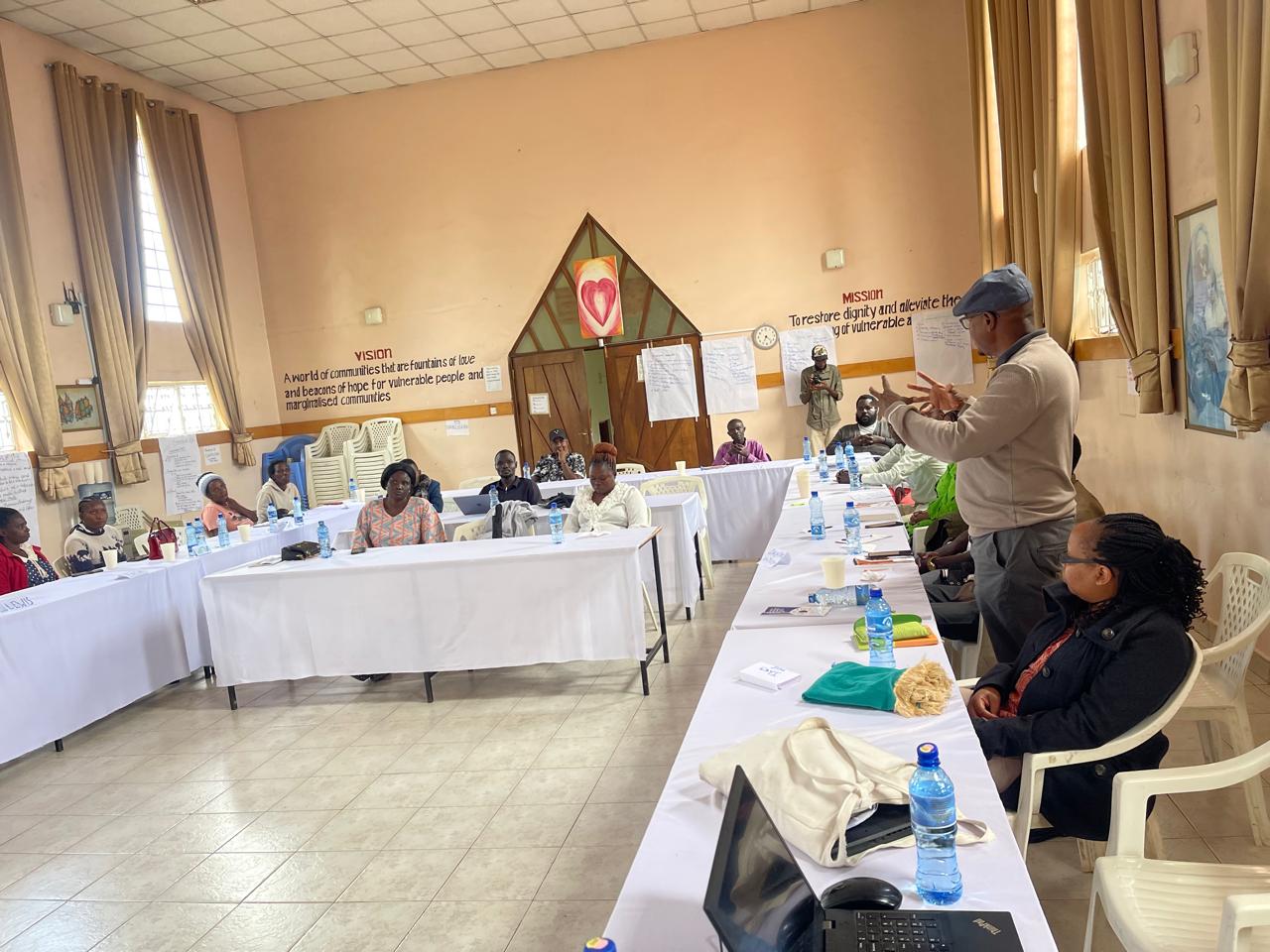
Peaceful coexistence and resilient communities are nurtured through dialogue, understanding, and accessible systems for resolving disputes. In areas where refugees and host communities live side by side, fostering trust, social cohesion, and mutual respect is critical to preventing conflict and promoting stability. To advance these goals, Kituo Cha Sheria, with support from GIZ, is implementing a continuous series of capacity-strengthening trainings for refugee and host community leaders across Nakuru County, Uasin Gishu County (Eldoret), and Turkana County.

The trainings are conducted by our psychosocial counselor, Habibah Mohamed, Alice Kwenda, our programme officer Jimmy Sayi, and a representative from The National Steering Committee on the Implementation of the Alternative Justice Policy (NaSCI-AJS).

The initiative promotes the use of Alternative Justice Systems (AJS); community-based approaches such as mediation, dialogue, and consensus-building that enable disputes to be resolved peacefully and locally before escalating to formal courts. At the same time, the program integrates Mental Health and Psychosocial Support (MHPSS) to address the emotional and psychological effects of conflict, displacement, and everyday community tensions. By combining justice mechanisms with psychosocial support, the trainings aim to strengthen community resilience, empower local leadership, and ensure that justice processes not only resolve disputes but also support healing and the restoration of relationships.

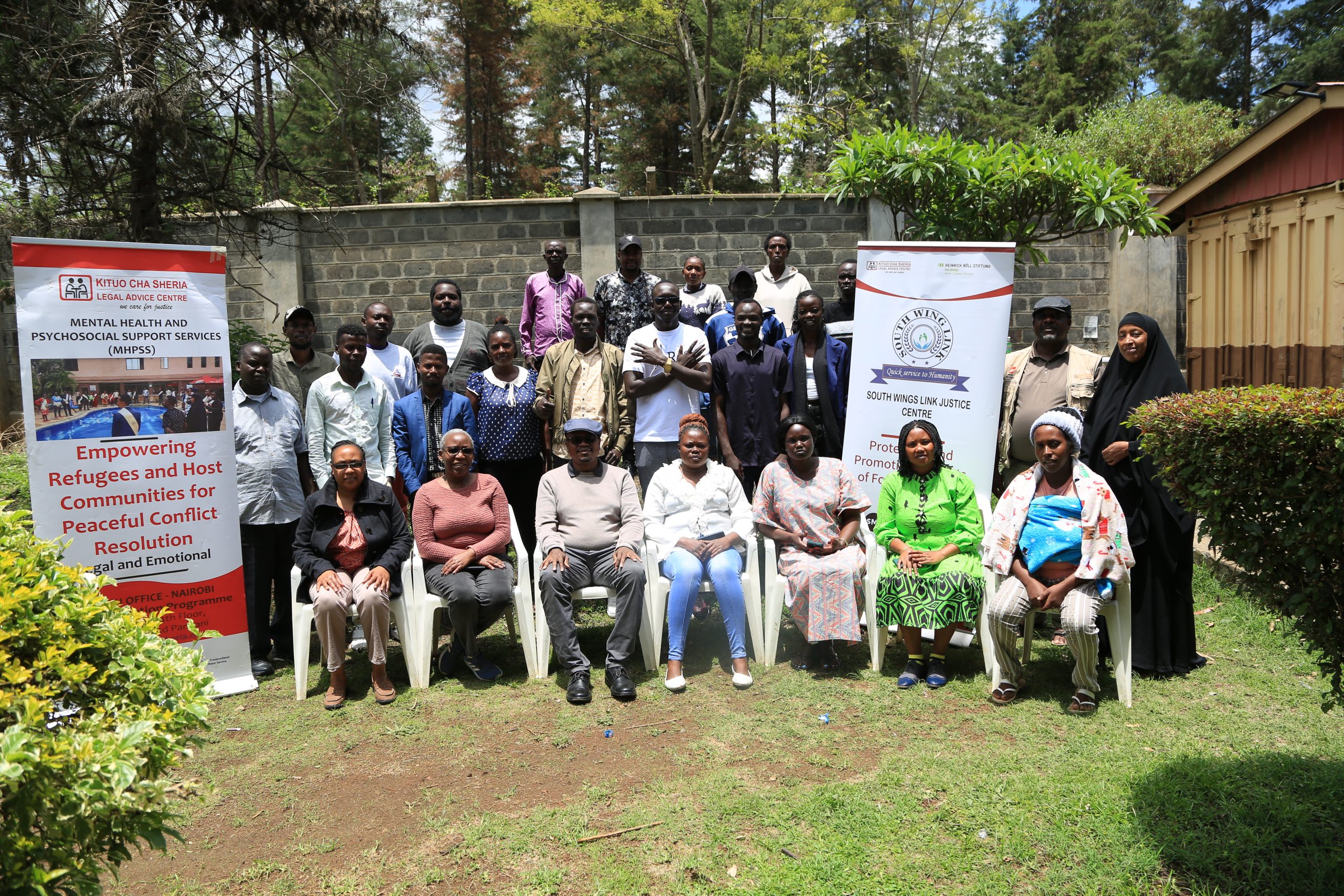
Refugee and host community participants join the Kituo team for a group photo after completing the Nakuru training.

The forums bring together community leaders and decision-makers from both refugee and host communities to build knowledge and practical skills in Alternative Justice Systems (AJS) and Mental Health and Psychosocial Support (MHPSS). The initiative seeks to advance people-centred justice and strengthen community wellbeing by addressing disputes and tensions early, before they escalate into formal court processes.

In Nakuru, Kituo convened refugee and host communities for a training and awareness forum focused on promoting peaceful dispute resolution and supporting community healing. Participants explored how AJS mechanisms such as mediation, dialogue, and community-led dispute resolution can help address conflicts in ways that are accessible, culturally responsive, and restorative.

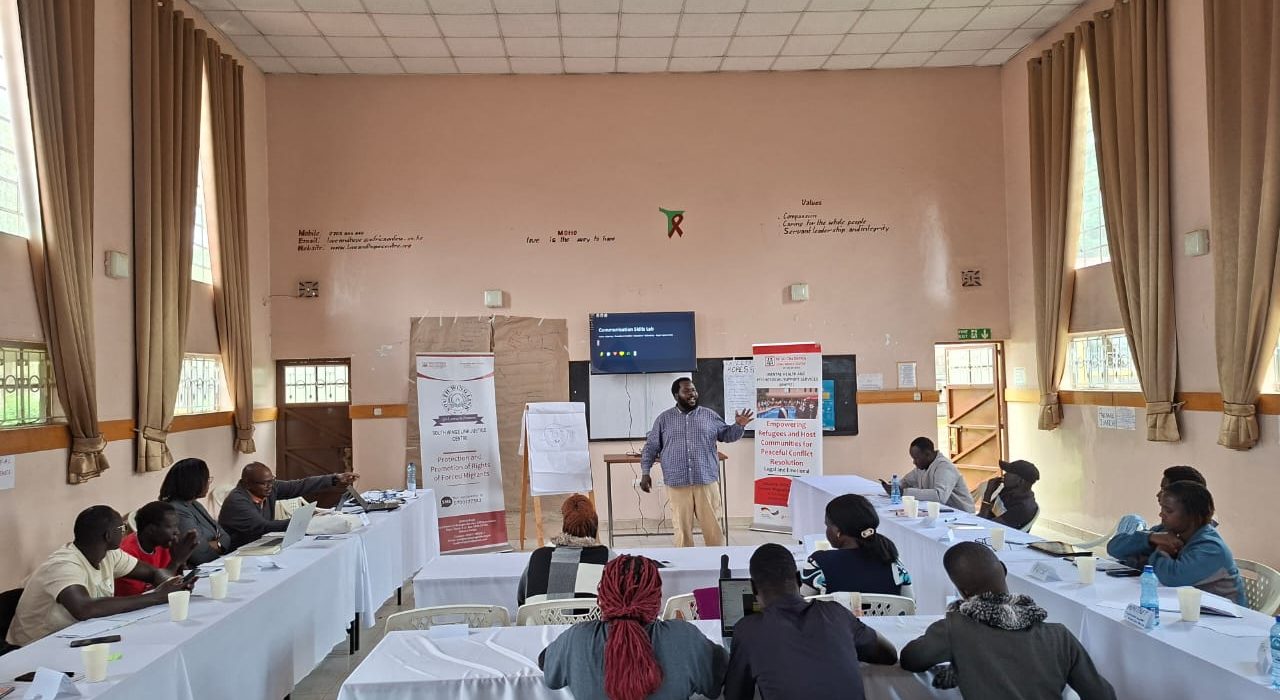
Our Executive Director, Dr. Wambua Kituku, engages participants during the training in Nakuru.

The forum also underscored the importance of mental health and psychosocial support in building peaceful communities. Through discussions and practical sessions, leaders gained insights into recognizing trauma, offering basic psychosocial support, and linking affected individuals to appropriate services. By integrating MHPSS with community justice approaches, the training demonstrated how healing and justice are closely interconnected.

A similar capacity-strengthening workshop has also commenced in Eldoret, where refugee and host community leaders are being equipped with tools to promote inclusive access to justice and strengthen community resilience. The training empowers participants to respond effectively to community needs, facilitate peaceful dialogue, and guide community members toward constructive dispute-resolution pathways. Preparations are also underway to roll out the training in Turkana, where the initiative will continue to build the capacity of local leaders to manage disputes, foster understanding, and support community wellbeing through inclusive and locally driven justice approaches.

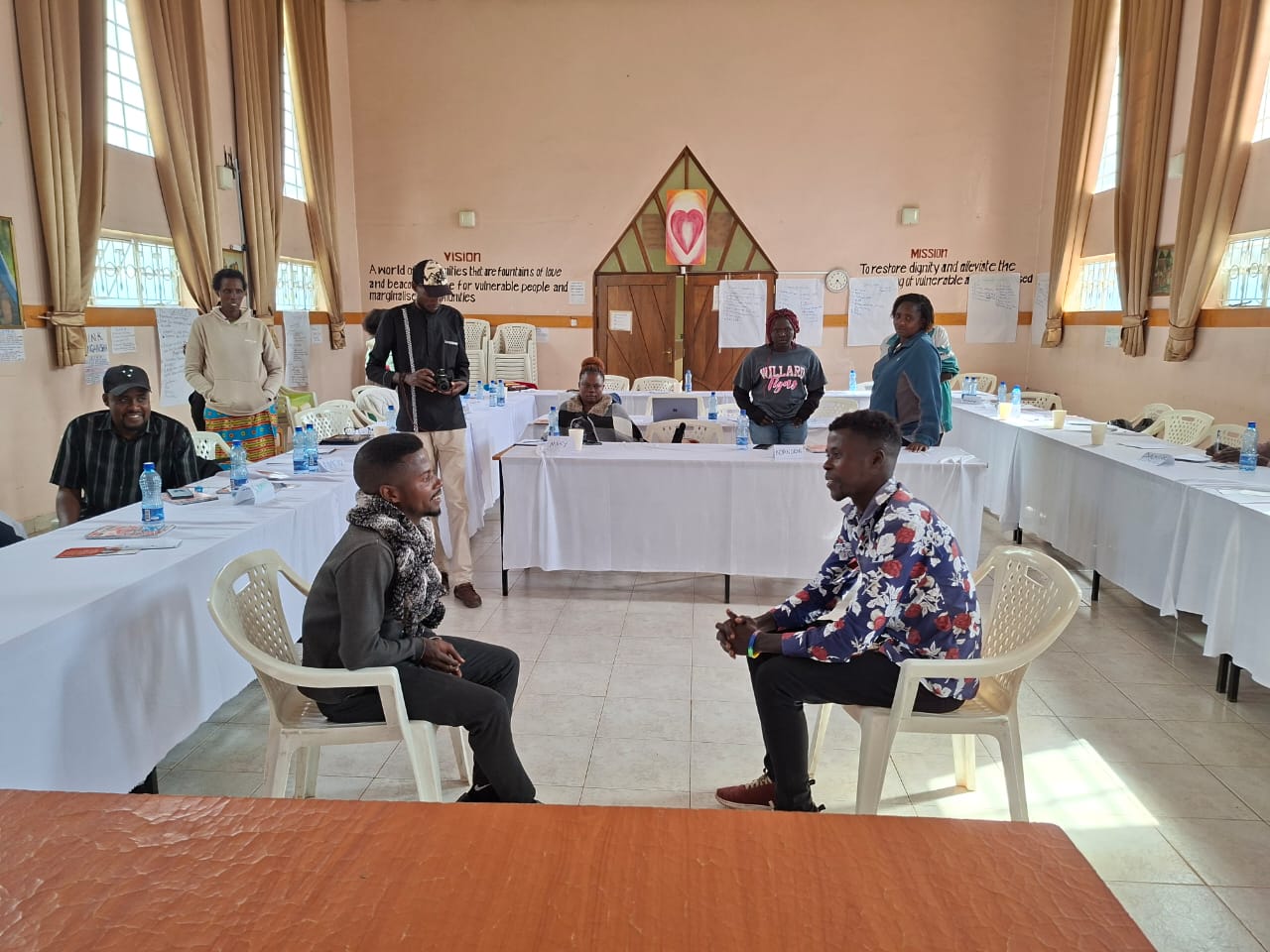
Refugee and host community leaders participating in dialogue exercises in Nakuru.

As the initiative progresses across Nakuru, Eldoret, and Turkana counties, it reflects a growing commitment to strengthening grassroots leadership and building justice systems that are accessible, inclusive, and responsive to the lived realities of communities. By equipping local leaders with knowledge and practical tools, the trainings contribute to more peaceful and cohesive communities where disputes are addressed early, relationships are restored, and the dignity of all community members is upheld.

High Court Dismisses Petition by 1998 Nairobi Bomb Blast Victims Seeking State Compensation

The High Court of Kenya has dismissed a petition filed by Kituo Cha Sheria on behalf of survivors and families affected by the August 7, 1998 terrorist bombing of the United States Embassy in Nairobi, ruling that the case lacked sufficient legal merit.

The attack remains one of Kenya’s deadliest terror incidents, killing over 200 people both Kenyans and foreigners and injuring more than 4,000 others. Many survivors sustained life-altering injuries, including blindness, deafness, and severe bone and muscle damage.

The petition, filed in 2021 under case number HCCHRPET/E166/2021, sought compensation from the Government of Kenya. Kituo Cha Sheria moved to court more than two decades after the attack after survivors and affected families, citing lack of legal knowledge and representation at the time, approached the organization for legal assistance.

The matter was heard before Hon. Justice Lawrence Mugambi. Judgment, initially scheduled for November 7, 2025 and later postponed to January 15, 2026, was delivered on January 28, 2026.

In their submissions, the petitioners sought not only compensation but also recognition of their suffering and accountability from the state. They argued that the government failed in its constitutional duty to protect its citizens and that many victims had never received meaningful support despite the immense loss of life, lifelong injuries, and psychological trauma caused by the attack.

In dismissing the petition, the court held that the petitioners failed to demonstrate that the government had prior knowledge or actionable intelligence that could have enabled it to prevent the bombing. Justice Mugambi noted that while the petition relied on several reports, the authors of those documents did not appear in court to testify, rendering the evidence hearsay and legally inadmissible.

“It cannot be established, on the basis of the material placed before this court, that the government was aware of the attack or that it failed to act on any intelligence,” the judge ruled.

The court further observed that there was no evidence showing that the United States government faulted Kenya for failing to prevent the attack. While acknowledging the gravity of the victims’ suffering, the court emphasized that sympathy could not replace the strict legal requirement for credible and admissible evidence. The burden of proof, Justice Mugambi held, lay with the petitioners a threshold the court found had not been met.

As a result, the petition was dismissed, leaving victims and their families with renewed disappointment and unresolved questions more than 25 years after the tragedy.

Kituo Cha Sheria counsel John Mwariri (in a blue suit) addressing the media after the court ruling.

Kituo Cha Sheria, through its counsel John Mwariri, expressed disappointment with the ruling and indicated that the organization would pursue the matter before a superior court. Reaffirming its commitment to the survivors and affected families, he said:

“We respect the ruling, but we do not agree with it. Our clients have gone through a lot, and some have even passed away this week after a long struggle. We tabled all the evidence before the court, but we are deeply disappointed. We will pursue this matter in the superior courts.”

For survivors and families who lost loved ones, the ruling went beyond a legal determination, reopening wounds that have remained raw for over 25 years. Some survivors told the court of years of living with disabilities, mounting medical expenses, and lost livelihoods, while families of the deceased said their grief had been compounded by what they view as prolonged neglect by the state.

By; Rony Alal

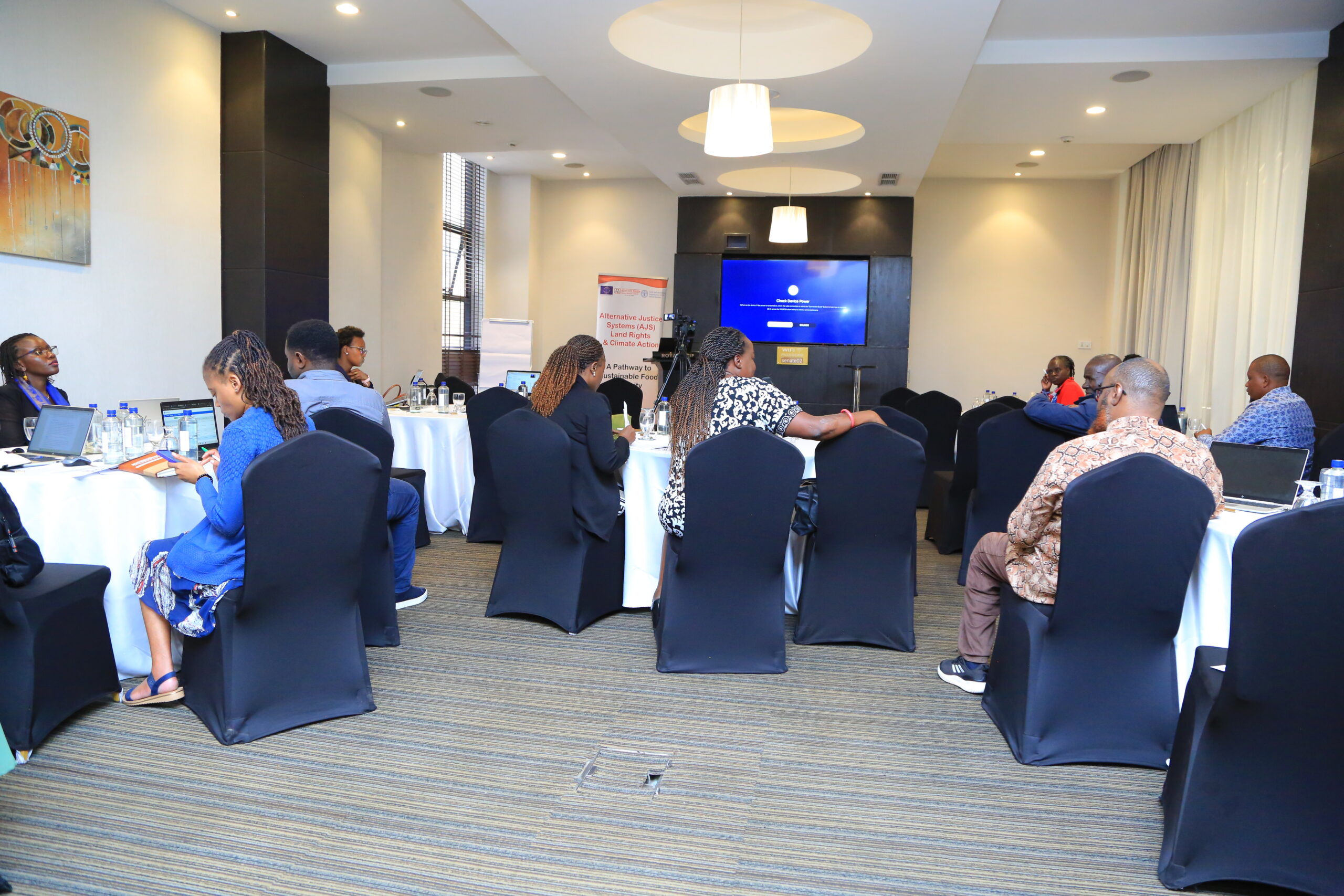
Validation and Launch of Community Land and Climate Change Act Reports and Presentation of the National Memorandum

Kituo Cha Sheria, with support from the Food and Agriculture Organization of the United Nations (FAO) and co-funding from the European Union (EU), convened a national stakeholder forum on 4th and 5th December 2025 to validate and officially launch county-specific reports assessing the implementation of the Community Land Act, 2016 and the Climate Change Act, 2016 in Kenya.

The two-day forum marked the culmination of targeted data collection conducted across Samburu, Kwale, Kisumu, and Nairobi counties. The assessment was undertaken in response to persistent challenges in land and natural resource governance that continue to undermine food security, climate resilience, and sustainable livelihoods, particularly among communities dependent on communal and customary land tenure systems.

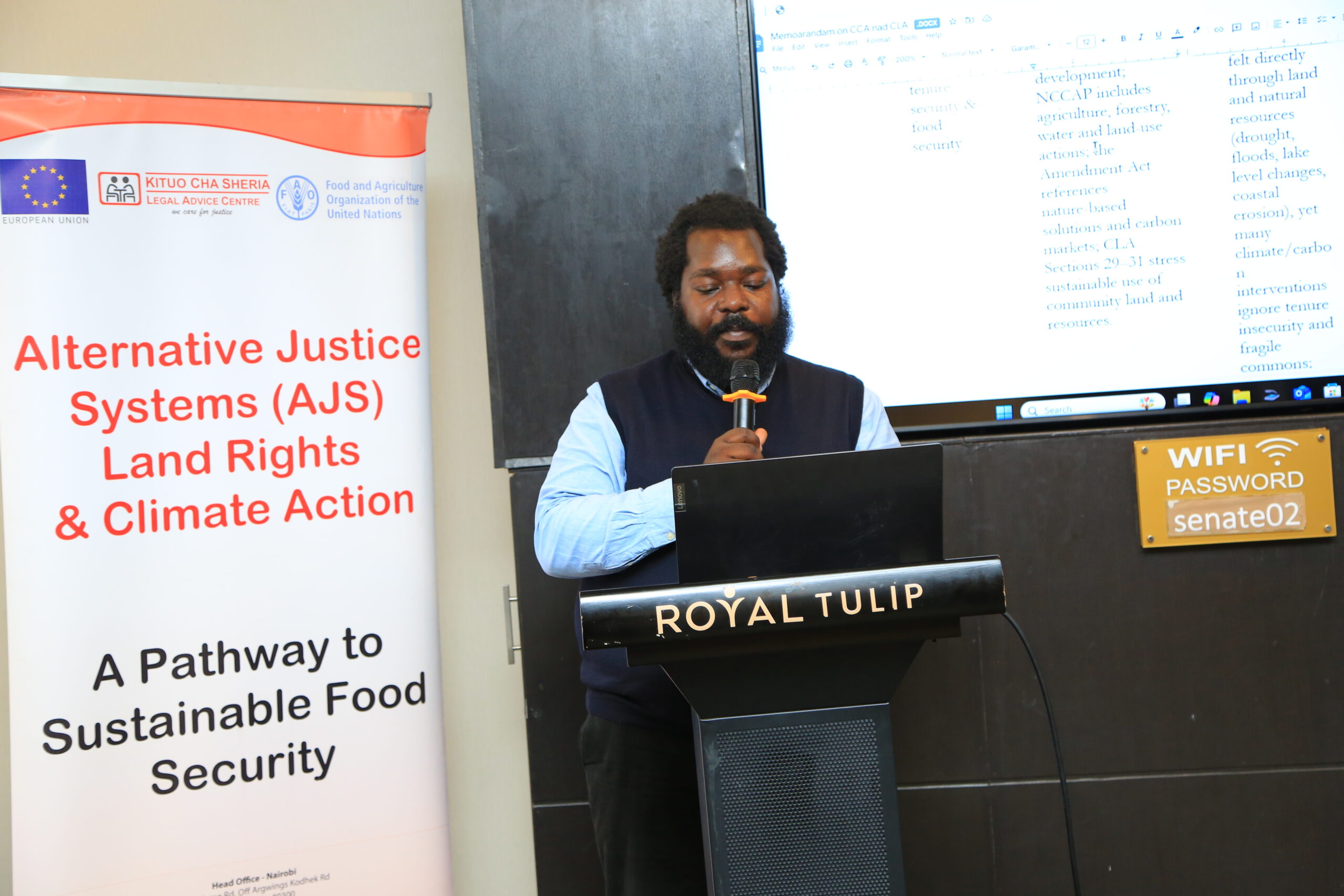
Our Programme Officer, Jimmy Sayi, Presenting the Report to Stakeholders and Partners

Bringing together community representatives, county and national government officials, civil society organizations, and technical experts, the validation forum provided a platform to interrogate findings, build consensus, and strengthen the evidence base for policy advocacy. Participants reviewed county-level data documenting progress, gaps, and lived experiences related to land tenure security, community land registration, climate action planning, and institutional coordination. 

Discussions reaffirmed that despite Kenya’s progressive legal framework anchored in the Constitution of Kenya, 2010. The implementation of the Community Land Act and the Climate Change Act remains slow and uneven at the county level. Key challenges highlighted included limited public awareness of community land rights, delayed registration processes, weak coordination between land and climate governance institutions, and inadequate technical and financial capacity within counties.

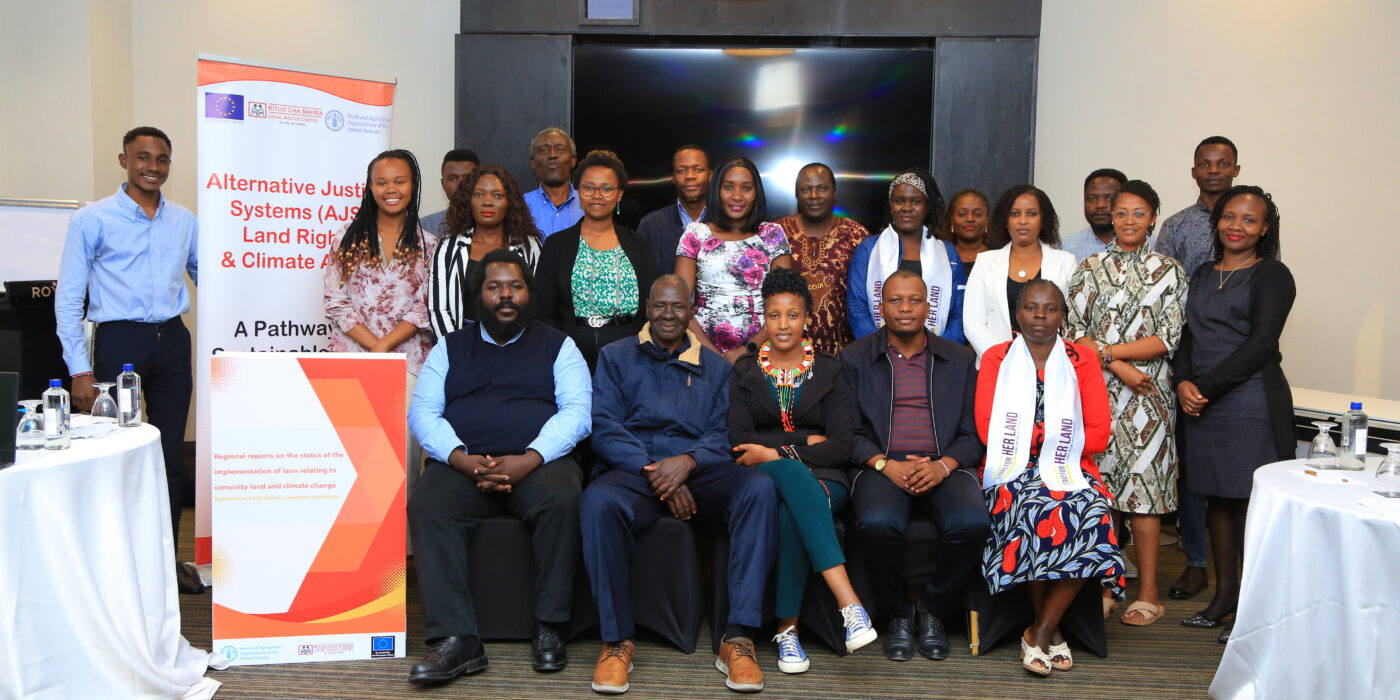
Stakeholders, Partners, and Participants at the Validation and Launch of the Report

The forum further noted that while the Climate Change Act provides a strong foundation for climate action, insufficient integration with land governance processes has resulted in fragmented interventions that negatively affect food production systems and community resilience. Participants emphasized the need for harmonized planning that recognizes land tenure security as a critical pillar for effective climate adaptation and food security.

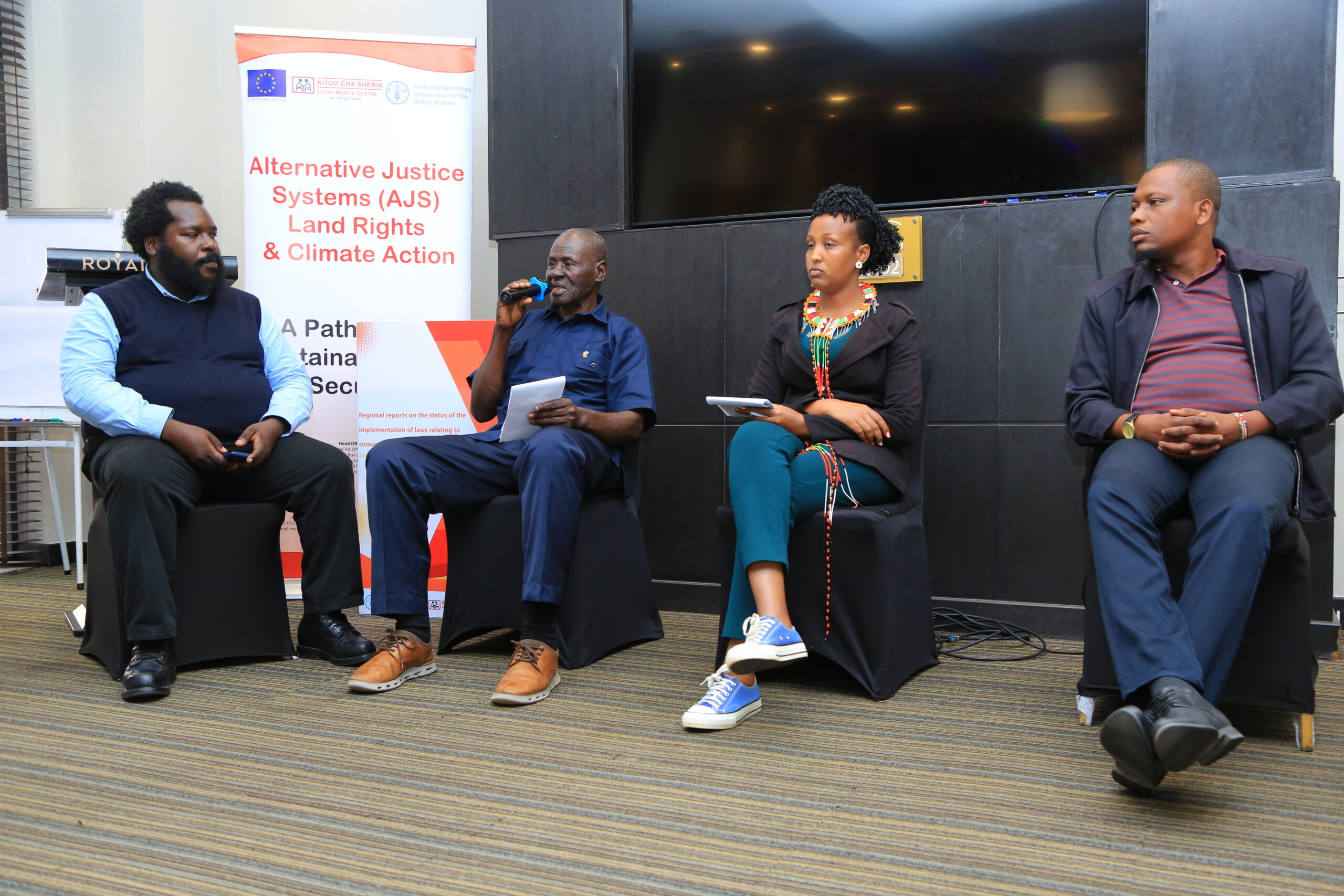
Stakeholders, partners, and participants engaging in a panel discussion during the validation and launch of the report.

As part of the secretariat of the National Land Sector Non-State Actors (LSNSA) Network, Kituo Cha Sheria leveraged this network to ensure inclusive participation and credible validation of the findings. The validated reports covering Kisumu, Kwale, and Samburu counties were officially launched during the forum and endorsed as advocacy tools to guide both county and national engagement.

The county reports generate context-specific evidence on the status of implementation of the two Acts, identify institutional and regulatory gaps, and propose actionable recommendations. They are expected to inform county policy reforms, strengthen collaboration between state and non-state actors, and support ongoing advocacy for inclusive land governance systems that advance food security and climate resilience.

Speaking during the launch, stakeholders from Pastoralist Resilience Development Initiative, the Kenya National Commission on Human Rights, Nyando Community Justice Centre, NAMATI, Haki na Sheria, RECONCILE, Drylands Learning and Capacity Building Initiative (DLCI), the National Land Commission, LECC Baraza, LANDESA, and Habitat for Humanity, among others, called on county governments, national institutions, and development partners to prioritize resourcing, capacity building, and community participation to translate the law into tangible benefits for marginalized communities.

The validated reports will feed into a national memorandum to be presented to relevant state institutions.

READ THE FULL REPORT

CLAIMING HER RIGHT: A WIDOW’s JOURNEY THROUGH SUCCESSION

Nancy Muthure Kinyanjui’s story is one that mirrors the lived reality of many women in Kenya who find themselves navigating the law of succession under the weight of grief, poverty, and deeply rooted social barriers.

Nancy is a mother and a widow from Gitaru, Kiambu County. Her life changed abruptly when her husband died shortly after purchasing a parcel of land in Engineer, Miharati area. The land, acquired through years of sacrifice and hope for a better future, was meant to secure the family’s stability. Instead, his death marked the beginning of a long and painful struggle. He died intestate (without a will), leaving behind Nancy and their minor children.

Under the Law of Succession Act (Cap 160), Kenyan law recognises the rights of a surviving spouse and children, including minors, to inherit the estate of a deceased person. Where a man dies intestate, the widow is, in principle, entitled to administer and hold the estate in trust for herself and the children until the minors attain majority. However, the law also requires a formal court process before land can be legally transferred, particularly where minors are involved. In such cases, the court must appoint administrators to safeguard the children’s interests, often requiring more than one administrator to prevent misuse of the estate. While these safeguards are designed to protect minors, for widows like Nancy they frequently translate into additional procedural hurdles marked by technicalities, delays, costs, and limited legal knowledge, revealing a wide and unforgiving gap between what the law promises on paper and what women experience in reality.

When Nancy attempted to transfer the land into her name and that of her children, she encountered a succession process that was tedious, costly, and intimidating. Court procedures were complex, documentation requirements overwhelming, and legal language alien. As a poor widow caring for minors, she lacked the financial resources to engage private legal counsel.

Nancy Muthure Kinyanjui proudly holds her family’s title deed.

Beyond the procedural hurdles, Nancy also faced the silent but powerful burden that many widows endure: social attitudes that question a woman’s right to land. In many communities, land is still viewed as a male preserve, and widows especially those with young children are often seen as temporary custodians rather than rightful heirs. Although no direct claim was lodged against her, the fear of possible interference, exploitation, or dispossession lingered heavily over her.

Nancy was then referred by a friend, Lucy Wangui Mwangi, to Kituo Cha Sheria-legal advice centre, where she could access help at minimal or no cost, with a strong focus on the legal empowerment of women and marginalised communities. At Kituo Cha Sheria, Nancy found more than legal representation, she found dignity, patience, and understanding.

Kituo Cha Sheria took up her case and guided her through the succession process at a minimal cost. They filed a petition for letters of administration, seeking the court’s authority for Nancy to manage her late husband’s estate on behalf of herself and her minor children. In compliance with the law, the court appointed Nancy and her son as joint administrators, recognizing her right not only as a widow but also as a trustee of her children’s future.

Through patience, persistence, and legal support, the succession cause was concluded. Nancy finally received a title deed in her name, held in trust for herself and her children. That document was more than a piece of paper, it was proof that the law could work for a poor widow when access to justice is made real.
Today, Nancy faces a new but hopeful chapter. As a poor mother, she seeks guidance on how she can legally sell a portion of the land to build a shelter and invest in her children’s future. Her question reflects another common reality for widows: owning land is only the first step; understanding how to lawfully use, develop, or dispose of it is equally critical, especially where minors’ interests must still be protected by the court.

Nancy’s story is not unique but it is instructive. It reveals what women endure in succession matters: delayed justice, lack of information, economic vulnerability, and systemic barriers that make legal rights difficult to realise. While the Law of Succession Act provides a protective framework for widows and children, access to justice remains uneven without legal empowerment from institutions like Kituo cha Sheria.

Watch the story here: https://youtu.be/aZwlPN3glK4

By; Rony Alal

DIGITAL VIOLENCE IN THE LIVES OF AFRICAN WOMEN AND GIRLS: A CONTINUUM, NOT A NOVEL THREAT

As the world marks the annual 16 Days of Activism Against Gender-Based Violence, this year’s theme ending digital violence against women and girls forces a stark reality into view: for many women and girls across Africa, the harms they suffer are not confined to streets, homes or workplaces. The same device that connects them to opportunity also becomes a vector for harassment, threats, blackmail, cyber-stalking, doxing, non-consensual sharing of private images, hateful and sexist speech. These are not “virtual” harms in some isolated domain; they reverberate through lives undermining dignity, safety, privacy, agency, and even life chances.

In the African context, where inequalities social, economic, gendered are already deep, technology-facilitated gender-based violence (TFGBV) often intensifies existing vulnerabilities. Digital violence doesn’t emerge in a vacuum; it is woven into the continuum of gender-based violence (GBV), leveraging the same structural power imbalances, patriarchal norms, discrimination, and social inequalities that fuel “offline” violence. Recognizing this is the first step: digital violence is not a “new problem” but an evolving battlefield in the struggle for gender justice.

From Words to Obligation: What the African Commission on Human and Peoples’ Rights (ACHPR) did with Resolution 522

In 2022, the ACHPR adopted ACHPR/Res. 522 (LXXII) 2022 — the “Resolution on the Protection of Women Against Digital Violence in Africa.” (achpr.au.int)

It marked a historic moment: for the first time, a continental human-rights institution explicitly recognized digital violence as a serious, gendered harm, demanding state-level action. The Resolution calls on States to: review or adopt legislation that expands gender-based violence definitions to include cyber-harassment, cyber-stalking and sexist hate speech; undertake research and adjust crime statistics to reflect digital violence; and ensure cooperation between law enforcement and service providers to gather evidence, all while protecting victims’ rights and dignity. (achpr.au.int)

Moreover, ACHPR mandated mandatory and continuous training for professionals interacting with victims of digital violence from police, social welfare and health workers, to the judiciary. (achpr.au.int) In 2024, the Commission further reinforced its commitment through ACHPR/Res. 591 (LXXX) 2024, which mandates a continental-wide study on the causes, manifestations and impact of digital violence against women; a step aimed at grounding future norms and state obligations in data and evidence. (achpr.au.int)

In short: the instruments are there. The norms are drafted but they remain, for many states, unimplemented.

Due Diligence in the Digital Age: State Duty Must Extend Online

The due diligence principle long recognized in human rights law holds that states must take proactive steps to prevent, investigate, prosecute and remedy violence, regardless of whether it occurs in “physical” or “digital” spaces. In its pronouncements around digital violence, the ACHPR has reiterated that these obligations apply equally online. (achpr.au.int)

For African states, this means far more than passive rhetoric. It demands:

  • Adoption or reform of laws so that digital violence is defined and criminalized as gender-based violence;
  • Enforcement mechanisms: investigation, prosecution, protective measures;
  • Mandatory training of justice and law enforcement personnel;
  • Ensuring cooperation with service providers (internet platforms, ISPs) for preserving and obtaining evidence;
  • Supporting survivors with gender-sensitive, trauma-informed procedures, access to justice, redress and remedies.

Due diligence in the 21st century must include the digital realm. Without it, the “new frontier” of online violence becomes a safe harbour for perpetrators — even as survivors remain unprotected.

A New Treaty, But Is It Fit for Purpose? The Promise, and Peril, of the African Union Convention on Ending Violence Against Women and Girls (AUCEVAWG)

In February 2025, the AU adopted the AUCEVAWG. On paper, the Convention appears ambitious: it defines violence against women and girls broadly to include “physical, sexual, psychological, [and] economic” forms, and it explicitly states that such violence can occur “in private and public spheres, and in cyberspace” (Article 3). Although this may appear progressive, the formulation is ultimately hollow. The reference to “cyberspace” is not accompanied by any expansive definition of technology-facilitated gender-based violence (TFGBV) or any articulation of its forms, dynamics, or harms. As a result, the word “cyberspace” merely sticks out as a symbolic insertion rather than a substantive protection. Without definitions or obligations tailored to digital harms, the Convention offers no real guidance to states on how to prevent, investigate, prosecute, or remedy TFGBV.[1]

Moreover, by placing “cyberspace” after the public and private spheres instead of integrating digital spaces into that continuum the Convention unintentionally treats cyberspace as a third, distinct realm, separate from public and private life. This is conceptually problematic. For survivors, digital spaces are not detached environments; they are embedded within social, political, intimate, and economic life. Violence in cyberspace is simply violence in the public and private spheres expressed through digital means. The Convention’s structural separation therefore risks obscuring the continuity between online and offline violence, undermining efforts to address TFGBV as part of the lived experiences of African women and girls.

Beyond definitional gaps, leading feminist legal actors including the Initiative for Strategic Litigation in Africa (ISLA), Fòs Feminista, and Akina Mama wa Afrika (AMwA) argue that the Convention suffers from deeper shortcomings. A major concern is the implementation and monitoring framework under Article 14. By vesting primary responsibility in the African Commission on Human and Peoples’ Rights (ACHPR), the framework risks centralising oversight in a manner that may entrench impunity instead of fostering genuine accountability. If states ratify AUCEVAWG without corresponding resources, clear standards, institutional safeguards, or participatory mechanisms, the Convention may amount to little more than “symbols without substance.”

It is for these reasons that feminist movements and civil society actors across the continent have rallied behind a #PauseForPurpose, not to reject the Convention, but to call for its revision. The demand is for a text that is fit for purpose, one that meaningfully addresses TFGBV, integrates digital harms into the continuum of violence, clarifies state obligations under due diligence, and provides robust, participatory pathways for enforcement. Without such strengthening, AUCEVAWG risks becoming another well-intentioned but ineffective instrument falling short of the transformative protection African women and girls urgently need. And to echo the words of Kenyan Gen Z #RejectandAmend

What a Pause (and Revision) Must Achieve: Embedding Digital Justice, Due Diligence, and Survivors’ Rights

If AUCEVAWG is to live up to its promise, a revised and strengthened version must:

  1. Explicitly incorporate the due-diligence standard for digital violence — obligation to prevent, investigate, prosecute, and provide remedies in digital contexts, drawing on Resolution 522 and ACHPR jurisprudence.
  2. Adopt clear, comprehensive definitions of digital violence: cyber-harassment, non-consensual image sharing, cyber-stalking, doxing, deep fakes, online hate and disinformation campaigns, etc. It must recognise how these intersect with other structural inequalities (class, race, sexuality, disability, age, location).
  3. Guarantee evidence-friendly procedures and reform evidence thresholds, so survivors of TFGBV are not shut out of justice by overly narrow rules of proof or unrealistic standards for “direct posting.”
  4. Mandate comprehensive training and capacity-building for police, prosecutors, judges and other justice actors on technology-facilitated crimes, with emphasis on trauma-informed, gender-sensitive and human-rights based approaches.
  5. Ensure effective, participatory and accountable monitoring and implementation — with civil society, survivors and feminist organisations playing central roles, not just a top-down, bureau-critic mechanism.

A “pause” in ratification does not mean delay in justice. Rather, it is a demand that justice be meaningful, transformative, and fit for the digital age.

The Evidence Barrier: Why Survivors of TFGBV Often Remain Invisible Before the Law

Even where states have laws, the “evidence barrier” effectively excludes many survivors of TFGBV from justice. Across Africa, common obstacles include:

  • Police refusing to take complaints absent “hard proof” that a perpetrator personally posted the content ignoring coordinated campaigns, anonymous accounts, or posting via third parties.
  • Courts dismissing screenshots, chat logs or other digital traces as “unreliable,” without offering forensic support or valuing metadata, platform logs or device records.
  • Requirements for corroboration (e.g., witnesses to harassment in closed or private online spaces), which may be impossible if abuse happened in private chats or groups.
  • Survivors are sometimes advised to “delete the content for their own safety,” thereby destroying evidence.

The result: digital violence becomes “unprovable by design.”

To remedy this, states must reform both procedural law and practice:

  • codify the admissibility of digital evidence (screenshots, metadata, device logs, communications records, platform data, etc.);
  • shift the burden of evidence collection from survivors to the state and service providers (platforms, ISPs), including obligations to preserve data and assist in investigations;
  • allow courts to draw reasonable inferences from patterns of harassment or coordinated abuse, even absent direct proof of posting;
  • build publicly accessible digital forensics capacity — not reliant solely on private firms or corporate cooperation.

Only then can the justice system reflect the reality of tech-enabled violence, and offer survivors a real path to accountability.

From Disbelief to Action: The Urgent Need for Training and Institutional Reform

Recognising digital violence is one thing. Responding to it is another. The capacity of justice institutions: police, investigators, prosecutors, judges will determine whether TFGBV is taken seriously or dismissed as “online drama.”

  • Police and investigators must be trained to detect, preserve and investigate digital crimes: preserving evidence, tracing IPs or metadata (where lawful), cooperating with service providers, and applying trauma-informed, gender-sensitive procedures rather than victim-blaming.
  • Prosecutors need to learn to build digital cases — using circumstantial evidence, expert forensic testimony, patterns of harassment, and cross-border cooperation where necessary. They must be willing to map digital harms to existing legal categories (threats, harassment, extortion, defamation, data protection, etc.) or call for reforms where gaps exist.
  • Judges and magistrates must be equipped to interpret national laws (and AUCEVAWG / Resolution 522) in light of evolving technology to recognise cumulative harms, the continuum between online and offline violence, and the legitimacy of digital evidence. They must also be open to innovative remedies: content removal orders; account suspensions; reparations; psychosocial support; and protective measures for survivors’ digital identity.

In short: we need a comprehensive, continent-wide capacity-building agenda on digital gender-based violence.

Beyond 16 Days: Why TFGBV Must Be a 365-Day Priority

As the 16 Days of Activism conclude, there is a danger that digital violence will be treated as a seasonal campaign — a theme for one year — rather than a structural, long-term crisis requiring transformation of law, institutions, and social attitudes.

To avoid that, we must use the momentum to:

  • Push for a #PauseForPurpose on AUCEVAWG ratification demanding robust revision so that the treaty truly serves survivors and reflects the realities of digital violence.
  • Push for domestication and implementation of ACHPR/Res. 522 in national law and policy including legislation, training, evidence reform, data collection and survivor-centred policies.
  • Advocate for evidence-friendly reforms in justice systems, supported by publicly funded forensic capacities and platform accountability.
  • Demand comprehensive training for law enforcement, prosecutors and judges — co-developed with feminist, digital-rights and civil society actors.
  • Insist on platform accountability and regulation, transparent reporting tools, data preservation obligations, and meaningful cooperation between platforms, states and civil society to protect users’ rights.

For African women and girls activists, defenders, journalists, students, and mothers the digital world should be a space of empowerment, connection and possibility. Too often, it becomes a space of fear, harassment and control. That must change.

A treaty is not enough. Resolutions are not enough. What is needed is action, accountability, capability and justice.

Conclusion: A Call to Transform Promise into Reality

This year’s 16 Days of Activism may come with heightened awareness, orange campaigns, social-media posts. But true justice requires more than awareness: it demands structural change in law, institutions, justice systems, social norms, and digital governance.

The adoption of AUCEVAWG was intended to signal progress. But as critics such as ISLA, Fòs Feminista and other feminist actors have warned, without stronger safeguards, meaningful oversight, and a deep commitment to digital violence, the Convention risks becoming symbolic rather than transformative. (aucevawg.org)

At the same time, ACHPR’s Resolution 522 and the forthcoming continental study on digital violence (per Resolution 591) offer powerful, existing tools to begin — if only states and civil society take them up with urgency and commitment. (achpr.au.int)

This is a moment of responsibility. For governments. For courts. For police. For digital platforms. For civil society. For every citizen.

If Africa is serious about ending violence against women and girls, in all its forms, then we must embrace the digital frontier with justice, dignity, accountability, and feminist vision.

By Glory Kairi, Advocate of the High Court of Kenya, Legal Officer at Kituo Cha Sheria


Kituo Leads National Push to Strengthen Community Land and Climate Change Law Implementation for Food Security

Land and natural resource governance are central to Kenya’s economic stability, environmental sustainability, and food security. As a land-based economy, Kenya’s agriculture sector contributes significantly to the national GDP, both directly and indirectly through strong linkages with other sectors. However, persistent food insecurity, particularly among communities that depend on communal tenure systems continues to undermine sustainable livelihoods, equitable development, and food production. The gradual shift from communal to private land ownership has further marginalized pastoralist and smallholder farming communities, restricting access to land for farming and grazing, and ultimately weakening the national food security goals.

To address these challenges, Kenya has undertaken significant legislative reforms, including the enactment of the Community Land Act, 2016, which seeks to recognize, protect and register community land rights in line with the Constitution of Kenya, 2010. The Act empowers communities to govern and manage their lands, ensuring tenure security and equitable utilization of natural resources. Despite its transformative promise, the implementation of the Community Land Act has been slow and uneven, constrained by limited public awareness, weak institutional capacity, and resource gaps that continue to impede the full realization of community land rights.

Kituo staff with Samburu residents during a fact-finding and research exercise in Samburu.

In this context, Kituo Cha Sheria, with funding from the Food and Agriculture Organization of the United Nations (FAO), co-funded by the European Union (EU), conducted a targeted data collection exercise in November 2025 to assess the status of implementation of the Community Land Act, 2016 and the Climate Change Act, 2016 in Kenya. The exercise aimed to generate evidence-based insights to inform policy advocacy at both national and county levels, with a strong focus on land justice, climate resilience, and food security.

The data collection covered key regions including Samburu, Kwale, Kisumu and Nairobi, bringing together community representatives, county and national government duty bearers, civil society actors, and technical experts. Through consultative engagements, the exercise documented community experiences, institutional practices, and coordination gaps affecting the enforcement of land and climate laws. Particular attention was paid to how tenure insecurity, climate vulnerability, and weak integration of land and climate governance frameworks continue to affect food production systems and livelihoods.

Residents of Samburu during the research period.

Findings from the field highlighted persistent challenges such as delayed community land registration, limited awareness of legal protections, and insufficient alignment between climate action planning and land governance processes. While the Climate Change Act provides a robust framework for climate action, its implementation has not been adequately harmonized with land governance systems, resulting in fragmented approaches that undermine sustainable land use and community resilience. These engagements were made possible through the Land Sector Non State Actors Network and the newly formed regional networks in these target regions.

Kituo Cha Sheria leveraged this network to ensure inclusive stakeholder participation and credible data gathering. The findings from the exercise will inform the development of a comprehensive memorandum on the status of implementation of the Community Land Act and the Climate Change Act. The memorandum will consolidate regional and national perspectives, identify bottlenecks and opportunities, and propose actionable recommendations to strengthen accountability, coordination and policy implementation.

Residents of Samburu during the research period in Maralal.

A stakeholder validation forum will be convened to review and enrich the findings before the final memorandum is presented to relevant state institutions as an advocacy tool. KITUO continues to advance people-centred land justice and climate governance, ensuring that progressive legal frameworks translate into tangible gains for food security, environmental sustainability, and the livelihoods of marginalized communities across Kenya.