CLAIMING HER RIGHT: A WIDOW’s JOURNEY THROUGH SUCCESSION

Nancy Muthure Kinyanjui’s story is one that mirrors the lived reality of many women in Kenya who find themselves navigating the law of succession under the weight of grief, poverty, and deeply rooted social barriers.

Nancy is a mother and a widow from Gitaru, Kiambu County. Her life changed abruptly when her husband died shortly after purchasing a parcel of land in Engineer, Miharati area. The land, acquired through years of sacrifice and hope for a better future, was meant to secure the family’s stability. Instead, his death marked the beginning of a long and painful struggle. He died intestate (without a will), leaving behind Nancy and their minor children.

Under the Law of Succession Act (Cap 160), Kenyan law recognises the rights of a surviving spouse and children, including minors, to inherit the estate of a deceased person. Where a man dies intestate, the widow is, in principle, entitled to administer and hold the estate in trust for herself and the children until the minors attain majority. However, the law also requires a formal court process before land can be legally transferred, particularly where minors are involved. In such cases, the court must appoint administrators to safeguard the children’s interests, often requiring more than one administrator to prevent misuse of the estate. While these safeguards are designed to protect minors, for widows like Nancy they frequently translate into additional procedural hurdles marked by technicalities, delays, costs, and limited legal knowledge, revealing a wide and unforgiving gap between what the law promises on paper and what women experience in reality.

When Nancy attempted to transfer the land into her name and that of her children, she encountered a succession process that was tedious, costly, and intimidating. Court procedures were complex, documentation requirements overwhelming, and legal language alien. As a poor widow caring for minors, she lacked the financial resources to engage private legal counsel.

Nancy Muthure Kinyanjui proudly holds her family’s title deed.

Beyond the procedural hurdles, Nancy also faced the silent but powerful burden that many widows endure: social attitudes that question a woman’s right to land. In many communities, land is still viewed as a male preserve, and widows especially those with young children are often seen as temporary custodians rather than rightful heirs. Although no direct claim was lodged against her, the fear of possible interference, exploitation, or dispossession lingered heavily over her.

Nancy was then referred by a friend, Lucy Wangui Mwangi, to Kituo Cha Sheria-legal advice centre, where she could access help at minimal or no cost, with a strong focus on the legal empowerment of women and marginalised communities. At Kituo Cha Sheria, Nancy found more than legal representation, she found dignity, patience, and understanding.

Kituo Cha Sheria took up her case and guided her through the succession process at a minimal cost. They filed a petition for letters of administration, seeking the court’s authority for Nancy to manage her late husband’s estate on behalf of herself and her minor children. In compliance with the law, the court appointed Nancy and her son as joint administrators, recognizing her right not only as a widow but also as a trustee of her children’s future.

Through patience, persistence, and legal support, the succession cause was concluded. Nancy finally received a title deed in her name, held in trust for herself and her children. That document was more than a piece of paper, it was proof that the law could work for a poor widow when access to justice is made real.
Today, Nancy faces a new but hopeful chapter. As a poor mother, she seeks guidance on how she can legally sell a portion of the land to build a shelter and invest in her children’s future. Her question reflects another common reality for widows: owning land is only the first step; understanding how to lawfully use, develop, or dispose of it is equally critical, especially where minors’ interests must still be protected by the court.

Nancy’s story is not unique but it is instructive. It reveals what women endure in succession matters: delayed justice, lack of information, economic vulnerability, and systemic barriers that make legal rights difficult to realise. While the Law of Succession Act provides a protective framework for widows and children, access to justice remains uneven without legal empowerment from institutions like Kituo cha Sheria.

Watch the story here: https://youtu.be/aZwlPN3glK4

By; Rony Alal

DIGITAL VIOLENCE IN THE LIVES OF AFRICAN WOMEN AND GIRLS: A CONTINUUM, NOT A NOVEL THREAT

As the world marks the annual 16 Days of Activism Against Gender-Based Violence, this year’s theme ending digital violence against women and girls forces a stark reality into view: for many women and girls across Africa, the harms they suffer are not confined to streets, homes or workplaces. The same device that connects them to opportunity also becomes a vector for harassment, threats, blackmail, cyber-stalking, doxing, non-consensual sharing of private images, hateful and sexist speech. These are not “virtual” harms in some isolated domain; they reverberate through lives undermining dignity, safety, privacy, agency, and even life chances.

In the African context, where inequalities social, economic, gendered are already deep, technology-facilitated gender-based violence (TFGBV) often intensifies existing vulnerabilities. Digital violence doesn’t emerge in a vacuum; it is woven into the continuum of gender-based violence (GBV), leveraging the same structural power imbalances, patriarchal norms, discrimination, and social inequalities that fuel “offline” violence. Recognizing this is the first step: digital violence is not a “new problem” but an evolving battlefield in the struggle for gender justice.

From Words to Obligation: What the African Commission on Human and Peoples’ Rights (ACHPR) did with Resolution 522

In 2022, the ACHPR adopted ACHPR/Res. 522 (LXXII) 2022 — the “Resolution on the Protection of Women Against Digital Violence in Africa.” (achpr.au.int)

It marked a historic moment: for the first time, a continental human-rights institution explicitly recognized digital violence as a serious, gendered harm, demanding state-level action. The Resolution calls on States to: review or adopt legislation that expands gender-based violence definitions to include cyber-harassment, cyber-stalking and sexist hate speech; undertake research and adjust crime statistics to reflect digital violence; and ensure cooperation between law enforcement and service providers to gather evidence, all while protecting victims’ rights and dignity. (achpr.au.int)

Moreover, ACHPR mandated mandatory and continuous training for professionals interacting with victims of digital violence from police, social welfare and health workers, to the judiciary. (achpr.au.int) In 2024, the Commission further reinforced its commitment through ACHPR/Res. 591 (LXXX) 2024, which mandates a continental-wide study on the causes, manifestations and impact of digital violence against women; a step aimed at grounding future norms and state obligations in data and evidence. (achpr.au.int)

In short: the instruments are there. The norms are drafted but they remain, for many states, unimplemented.

Due Diligence in the Digital Age: State Duty Must Extend Online

The due diligence principle long recognized in human rights law holds that states must take proactive steps to prevent, investigate, prosecute and remedy violence, regardless of whether it occurs in “physical” or “digital” spaces. In its pronouncements around digital violence, the ACHPR has reiterated that these obligations apply equally online. (achpr.au.int)

For African states, this means far more than passive rhetoric. It demands:

  • Adoption or reform of laws so that digital violence is defined and criminalized as gender-based violence;
  • Enforcement mechanisms: investigation, prosecution, protective measures;
  • Mandatory training of justice and law enforcement personnel;
  • Ensuring cooperation with service providers (internet platforms, ISPs) for preserving and obtaining evidence;
  • Supporting survivors with gender-sensitive, trauma-informed procedures, access to justice, redress and remedies.

Due diligence in the 21st century must include the digital realm. Without it, the “new frontier” of online violence becomes a safe harbour for perpetrators — even as survivors remain unprotected.

A New Treaty, But Is It Fit for Purpose? The Promise, and Peril, of the African Union Convention on Ending Violence Against Women and Girls (AUCEVAWG)

In February 2025, the AU adopted the AUCEVAWG. On paper, the Convention appears ambitious: it defines violence against women and girls broadly to include “physical, sexual, psychological, [and] economic” forms, and it explicitly states that such violence can occur “in private and public spheres, and in cyberspace” (Article 3). Although this may appear progressive, the formulation is ultimately hollow. The reference to “cyberspace” is not accompanied by any expansive definition of technology-facilitated gender-based violence (TFGBV) or any articulation of its forms, dynamics, or harms. As a result, the word “cyberspace” merely sticks out as a symbolic insertion rather than a substantive protection. Without definitions or obligations tailored to digital harms, the Convention offers no real guidance to states on how to prevent, investigate, prosecute, or remedy TFGBV.[1]

Moreover, by placing “cyberspace” after the public and private spheres instead of integrating digital spaces into that continuum the Convention unintentionally treats cyberspace as a third, distinct realm, separate from public and private life. This is conceptually problematic. For survivors, digital spaces are not detached environments; they are embedded within social, political, intimate, and economic life. Violence in cyberspace is simply violence in the public and private spheres expressed through digital means. The Convention’s structural separation therefore risks obscuring the continuity between online and offline violence, undermining efforts to address TFGBV as part of the lived experiences of African women and girls.

Beyond definitional gaps, leading feminist legal actors including the Initiative for Strategic Litigation in Africa (ISLA), Fòs Feminista, and Akina Mama wa Afrika (AMwA) argue that the Convention suffers from deeper shortcomings. A major concern is the implementation and monitoring framework under Article 14. By vesting primary responsibility in the African Commission on Human and Peoples’ Rights (ACHPR), the framework risks centralising oversight in a manner that may entrench impunity instead of fostering genuine accountability. If states ratify AUCEVAWG without corresponding resources, clear standards, institutional safeguards, or participatory mechanisms, the Convention may amount to little more than “symbols without substance.”

It is for these reasons that feminist movements and civil society actors across the continent have rallied behind a #PauseForPurpose, not to reject the Convention, but to call for its revision. The demand is for a text that is fit for purpose, one that meaningfully addresses TFGBV, integrates digital harms into the continuum of violence, clarifies state obligations under due diligence, and provides robust, participatory pathways for enforcement. Without such strengthening, AUCEVAWG risks becoming another well-intentioned but ineffective instrument falling short of the transformative protection African women and girls urgently need. And to echo the words of Kenyan Gen Z #RejectandAmend

What a Pause (and Revision) Must Achieve: Embedding Digital Justice, Due Diligence, and Survivors’ Rights

If AUCEVAWG is to live up to its promise, a revised and strengthened version must:

  1. Explicitly incorporate the due-diligence standard for digital violence — obligation to prevent, investigate, prosecute, and provide remedies in digital contexts, drawing on Resolution 522 and ACHPR jurisprudence.
  2. Adopt clear, comprehensive definitions of digital violence: cyber-harassment, non-consensual image sharing, cyber-stalking, doxing, deep fakes, online hate and disinformation campaigns, etc. It must recognise how these intersect with other structural inequalities (class, race, sexuality, disability, age, location).
  3. Guarantee evidence-friendly procedures and reform evidence thresholds, so survivors of TFGBV are not shut out of justice by overly narrow rules of proof or unrealistic standards for “direct posting.”
  4. Mandate comprehensive training and capacity-building for police, prosecutors, judges and other justice actors on technology-facilitated crimes, with emphasis on trauma-informed, gender-sensitive and human-rights based approaches.
  5. Ensure effective, participatory and accountable monitoring and implementation — with civil society, survivors and feminist organisations playing central roles, not just a top-down, bureau-critic mechanism.

A “pause” in ratification does not mean delay in justice. Rather, it is a demand that justice be meaningful, transformative, and fit for the digital age.

The Evidence Barrier: Why Survivors of TFGBV Often Remain Invisible Before the Law

Even where states have laws, the “evidence barrier” effectively excludes many survivors of TFGBV from justice. Across Africa, common obstacles include:

  • Police refusing to take complaints absent “hard proof” that a perpetrator personally posted the content ignoring coordinated campaigns, anonymous accounts, or posting via third parties.
  • Courts dismissing screenshots, chat logs or other digital traces as “unreliable,” without offering forensic support or valuing metadata, platform logs or device records.
  • Requirements for corroboration (e.g., witnesses to harassment in closed or private online spaces), which may be impossible if abuse happened in private chats or groups.
  • Survivors are sometimes advised to “delete the content for their own safety,” thereby destroying evidence.

The result: digital violence becomes “unprovable by design.”

To remedy this, states must reform both procedural law and practice:

  • codify the admissibility of digital evidence (screenshots, metadata, device logs, communications records, platform data, etc.);
  • shift the burden of evidence collection from survivors to the state and service providers (platforms, ISPs), including obligations to preserve data and assist in investigations;
  • allow courts to draw reasonable inferences from patterns of harassment or coordinated abuse, even absent direct proof of posting;
  • build publicly accessible digital forensics capacity — not reliant solely on private firms or corporate cooperation.

Only then can the justice system reflect the reality of tech-enabled violence, and offer survivors a real path to accountability.

From Disbelief to Action: The Urgent Need for Training and Institutional Reform

Recognising digital violence is one thing. Responding to it is another. The capacity of justice institutions: police, investigators, prosecutors, judges will determine whether TFGBV is taken seriously or dismissed as “online drama.”

  • Police and investigators must be trained to detect, preserve and investigate digital crimes: preserving evidence, tracing IPs or metadata (where lawful), cooperating with service providers, and applying trauma-informed, gender-sensitive procedures rather than victim-blaming.
  • Prosecutors need to learn to build digital cases — using circumstantial evidence, expert forensic testimony, patterns of harassment, and cross-border cooperation where necessary. They must be willing to map digital harms to existing legal categories (threats, harassment, extortion, defamation, data protection, etc.) or call for reforms where gaps exist.
  • Judges and magistrates must be equipped to interpret national laws (and AUCEVAWG / Resolution 522) in light of evolving technology to recognise cumulative harms, the continuum between online and offline violence, and the legitimacy of digital evidence. They must also be open to innovative remedies: content removal orders; account suspensions; reparations; psychosocial support; and protective measures for survivors’ digital identity.

In short: we need a comprehensive, continent-wide capacity-building agenda on digital gender-based violence.

Beyond 16 Days: Why TFGBV Must Be a 365-Day Priority

As the 16 Days of Activism conclude, there is a danger that digital violence will be treated as a seasonal campaign — a theme for one year — rather than a structural, long-term crisis requiring transformation of law, institutions, and social attitudes.

To avoid that, we must use the momentum to:

  • Push for a #PauseForPurpose on AUCEVAWG ratification demanding robust revision so that the treaty truly serves survivors and reflects the realities of digital violence.
  • Push for domestication and implementation of ACHPR/Res. 522 in national law and policy including legislation, training, evidence reform, data collection and survivor-centred policies.
  • Advocate for evidence-friendly reforms in justice systems, supported by publicly funded forensic capacities and platform accountability.
  • Demand comprehensive training for law enforcement, prosecutors and judges — co-developed with feminist, digital-rights and civil society actors.
  • Insist on platform accountability and regulation, transparent reporting tools, data preservation obligations, and meaningful cooperation between platforms, states and civil society to protect users’ rights.

For African women and girls activists, defenders, journalists, students, and mothers the digital world should be a space of empowerment, connection and possibility. Too often, it becomes a space of fear, harassment and control. That must change.

A treaty is not enough. Resolutions are not enough. What is needed is action, accountability, capability and justice.

Conclusion: A Call to Transform Promise into Reality

This year’s 16 Days of Activism may come with heightened awareness, orange campaigns, social-media posts. But true justice requires more than awareness: it demands structural change in law, institutions, justice systems, social norms, and digital governance.

The adoption of AUCEVAWG was intended to signal progress. But as critics such as ISLA, Fòs Feminista and other feminist actors have warned, without stronger safeguards, meaningful oversight, and a deep commitment to digital violence, the Convention risks becoming symbolic rather than transformative. (aucevawg.org)

At the same time, ACHPR’s Resolution 522 and the forthcoming continental study on digital violence (per Resolution 591) offer powerful, existing tools to begin — if only states and civil society take them up with urgency and commitment. (achpr.au.int)

This is a moment of responsibility. For governments. For courts. For police. For digital platforms. For civil society. For every citizen.

If Africa is serious about ending violence against women and girls, in all its forms, then we must embrace the digital frontier with justice, dignity, accountability, and feminist vision.

By Glory Kairi, Advocate of the High Court of Kenya, Legal Officer at Kituo Cha Sheria

 

Kituo Leads National Push to Strengthen Community Land and Climate Change Law Implementation for Food Security

Land and natural resource governance are central to Kenya’s economic stability, environmental sustainability, and food security. As a land-based economy, Kenya’s agriculture sector contributes significantly to the national GDP, both directly and indirectly through strong linkages with other sectors. However, persistent food insecurity, particularly among communities that depend on communal tenure systems continues to undermine sustainable livelihoods, equitable development, and food production. The gradual shift from communal to private land ownership has further marginalized pastoralist and smallholder farming communities, restricting access to land for farming and grazing, and ultimately weakening the national food security goals.

To address these challenges, Kenya has undertaken significant legislative reforms, including the enactment of the Community Land Act, 2016, which seeks to recognize, protect and register community land rights in line with the Constitution of Kenya, 2010. The Act empowers communities to govern and manage their lands, ensuring tenure security and equitable utilization of natural resources. Despite its transformative promise, the implementation of the Community Land Act has been slow and uneven, constrained by limited public awareness, weak institutional capacity, and resource gaps that continue to impede the full realization of community land rights.

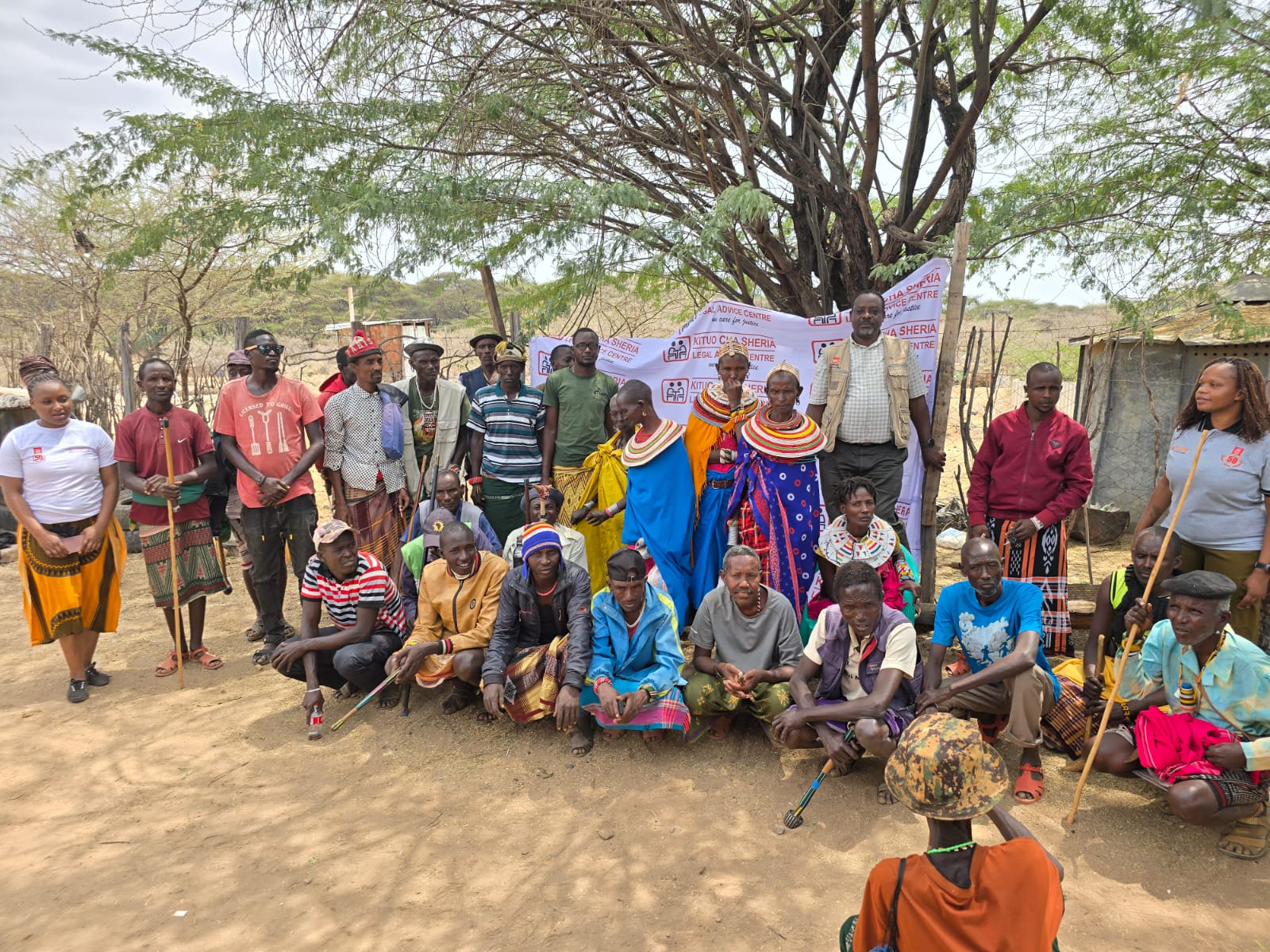
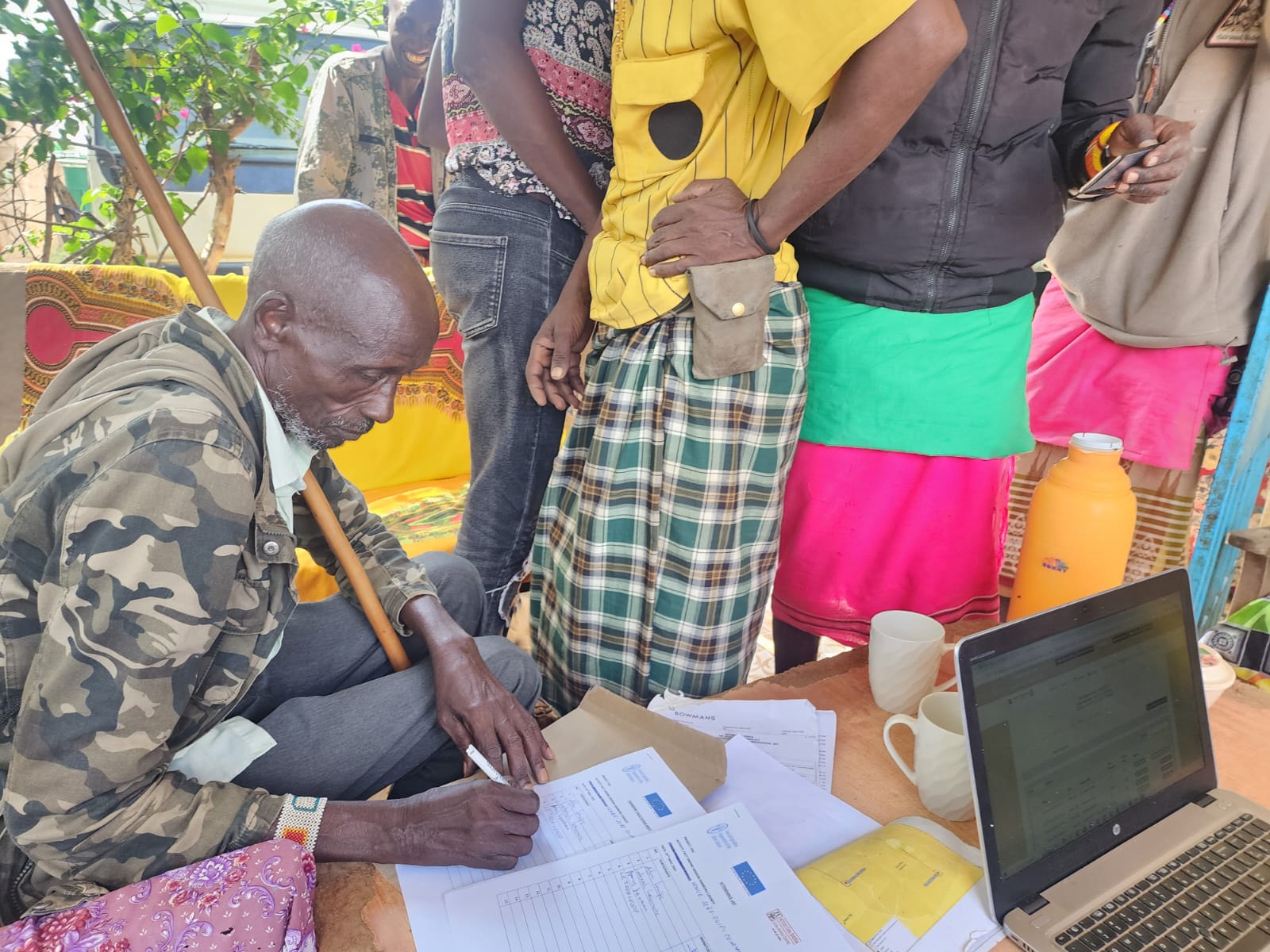
Kituo staff with Samburu residents during a fact-finding and research exercise in Samburu.

In this context, Kituo Cha Sheria, with funding from the Food and Agriculture Organization of the United Nations (FAO), co-funded by the European Union (EU), conducted a targeted data collection exercise in November 2025 to assess the status of implementation of the Community Land Act, 2016 and the Climate Change Act, 2016 in Kenya. The exercise aimed to generate evidence-based insights to inform policy advocacy at both national and county levels, with a strong focus on land justice, climate resilience, and food security.

The data collection covered key regions including Samburu, Kwale, Kisumu and Nairobi, bringing together community representatives, county and national government duty bearers, civil society actors, and technical experts. Through consultative engagements, the exercise documented community experiences, institutional practices, and coordination gaps affecting the enforcement of land and climate laws. Particular attention was paid to how tenure insecurity, climate vulnerability, and weak integration of land and climate governance frameworks continue to affect food production systems and livelihoods.

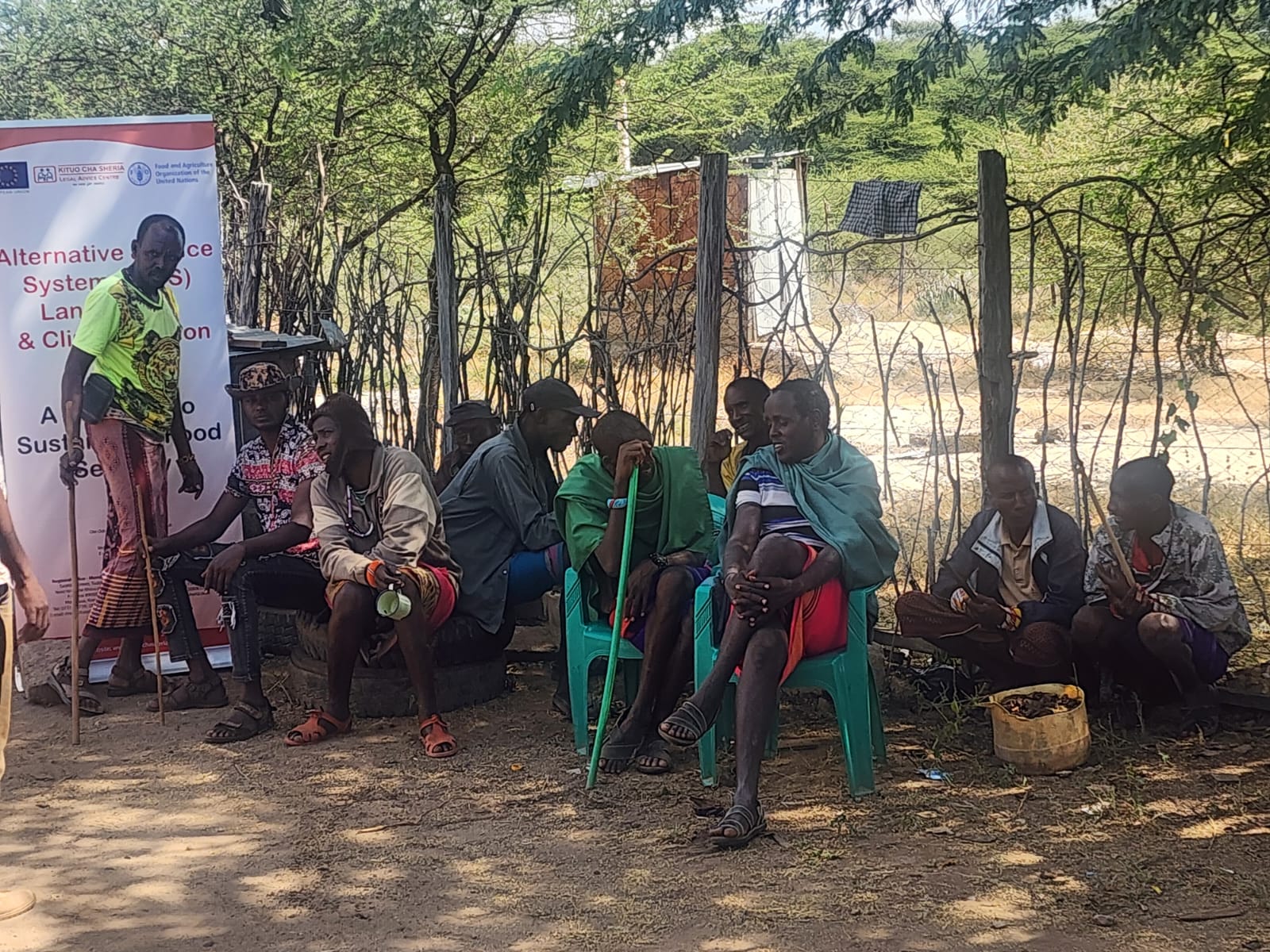
Residents of Samburu during the research period.

Findings from the field highlighted persistent challenges such as delayed community land registration, limited awareness of legal protections, and insufficient alignment between climate action planning and land governance processes. While the Climate Change Act provides a robust framework for climate action, its implementation has not been adequately harmonized with land governance systems, resulting in fragmented approaches that undermine sustainable land use and community resilience. These engagements were made possible through the Land Sector Non State Actors Network and the newly formed regional networks in these target regions.

Kituo Cha Sheria leveraged this network to ensure inclusive stakeholder participation and credible data gathering. The findings from the exercise will inform the development of a comprehensive memorandum on the status of implementation of the Community Land Act and the Climate Change Act. The memorandum will consolidate regional and national perspectives, identify bottlenecks and opportunities, and propose actionable recommendations to strengthen accountability, coordination and policy implementation.

Residents of Samburu during the research period in Maralal.

A stakeholder validation forum will be convened to review and enrich the findings before the final memorandum is presented to relevant state institutions as an advocacy tool. KITUO continues to advance people-centred land justice and climate governance, ensuring that progressive legal frameworks translate into tangible gains for food security, environmental sustainability, and the livelihoods of marginalized communities across Kenya.

Catalyzing Policy Reform for Refugees’ Right to Work in Kenya

Kenya’s refugee landscape is at a pivotal moment. With over 860,000 refugees and asylum seekers residing in the country, the need to translate progressive legal frameworks into practical, lived realities has never been more urgent. In quest to find a solution, Kituo cha Sheria convened the “Empowering Refugees: Catalyzing Policy Reform for Refugees’ Right to Work in Kenya” two-day workshop in Naivasha, supported by Heinrich Böll Stiftung, Horn of Africa, where stakeholders unpacked new research conducted by Kituo cha Sheria on promoting refugees’ integration and self-reliance, shared evidence from the field, and charted pathways toward meaningful policy reform.

The workshop highlighted a fundamental contradiction: while Kenya has advanced a more inclusive legal environment anchored in Constitutional guarantees and the Refugees Act, refugees continue to face systemic barriers that prevent them from securing dignified work. The research presented unpacked gaps between law and practice, pointing to contradictions within the Immigration Act, restrictive encampment policies, and delays in documentation, inadequate labour protections, and the absence of clear pathways for skills recognition.

Kituo cha Sheria Board Chair, Mr. Justus Munyithya, addressing delegates and stakeholders during the workshop.

These challenges reflect a national crisis in documentation, with over 200,000 refugees awaiting clearance, their applications stalled. This backlog has denied thousands access to employment, education, and health services, leaving entire families in prolonged uncertainty. The human impact was further illustrated during the workshop through a compelling case study from the International Rescue Committee (IRC), which highlighted the exhausting and often confusing process refugees must navigate to obtain legal identification, KRA PINs, and business registration; all essential prerequisites for formal employment or entrepreneurship.

Similar experiences were echoed by members of the refugee community. According to Deu Kamuzinzi, a refugee and the advocacy lead at Youth Voices Community, the delays in clearing the piling backlog have locked out refugees from contributing to the economy. Lucy Duku, Chairperson of Refugee Women in Nairobi, also emphasized that even highly educated refugee youth remain excluded from professional opportunities due to documentation gaps, noting,

 “Our children were born in this country and have graduated from universities but cannot get jobs as they do not have the necessary documents like KRA PIN.” Lucy Duku, Chairperson of Refugee Women in Nairobi

Deliberations during the workshop highlighted that meaningful integration requires dismantling legislative and administrative barriers that hinder refugees’ right to work. Kituo cha Sheria Chairperson Justus Munyithya reaffirmed the organisation’s commitment to engaging government agencies in reviewing and amending legal and policy frameworks that limit refugees’ access to employment, education, and health services. He emphasized,

“As KITUO, we remain committed to ensuring that legal empowerment and policy reform go hand in hand. Refugees do not just need humanitarian assistance; they need a legal and structural environment that allows them to rebuild their lives with autonomy and confidence.” Mr. Justus Munyithya, Board Chair, Kituo Cha Sheria

Kituo cha Sheria Board Chair, Mr. Justus Munyithya, addressing the press during the workshop.

According to Dorothy Omboto, lawyer and lead consultant researcher of the launched report, there is a pressing need to abolish work permit requirements for refugees and to recognise refugee IDs as legitimate documentation for employment and business registration, an essential step toward alleviating the systemic frustrations refugees face. She noted that existing laws limit refugee integration and access to decent work due to the cumbersome process of obtaining work permits.

There is a pressing need to align Kenya’s progressive legal commitments with efficient, accessible systems that genuinely uphold refugees’ right to work. Moving forward requires coordinated reforms, institutional efficiency, and a renewed commitment to refugee self-reliance. Unlocking work rights is not just a legal necessity; it is an economic, social, and humanitarian imperative. When refugees are able to work, they support their families, contribute to national development, and strengthen the social fabric of Kenya. Advancing policy reform in a way that is not only enacted but also experienced and felt by refugees is a critical step toward ensuring dignity, opportunity, and meaningful inclusion for all.

By; Rony Alal

Kituo Strengthens Collaboration with Kenya Judiciary in Advancing People-Centered Justice

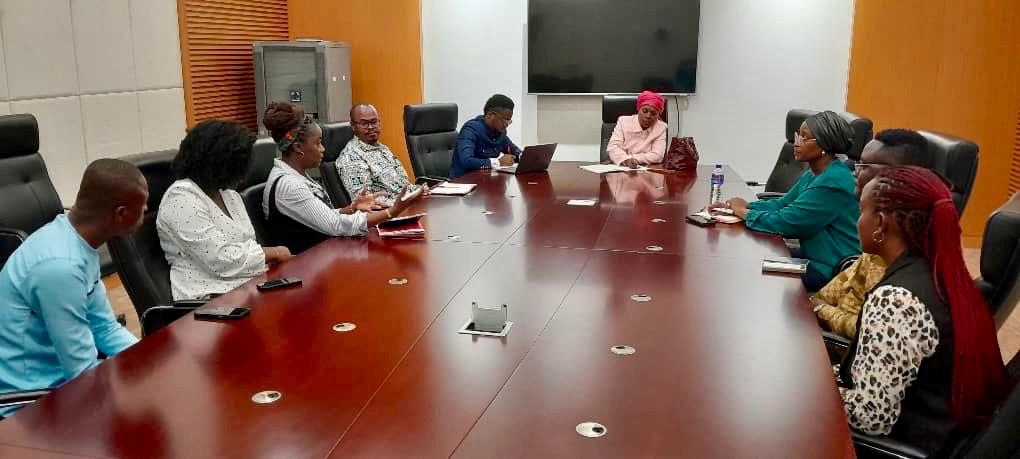
On 18th November 2025, Kituo cha Sheria paid a courtesy call to the Hon. Chief Justice of Kenya, Hon. Lady Chief Justice Martha Koome, at the Supreme Court of Kenya, to strengthen collaboration with the Judiciary in advancing people-centered justice. The engagement highlighted Kituo’s enduring commitment to ensuring that justice is accessible, humane, efficient, and community-driven.

For over five decades, Kituo cha Sheria has championed legal empowerment for Kenya’s poor, vulnerable, and marginalized communities. Guided by the principle that justice must work for the poor to work for all, Kituo has consistently sought to bridge gaps between legal frameworks and the realities faced by ordinary Kenyans. During the meeting, kituo reaffirmed its support for the Judiciary’s Social Transformation through Access to Justice (STAJ) vision, which aims to create a justice system that is responsive, progressive, and rooted in community needs.

Hon. Chief Justice Martha Koome chairs meeting with Kituo cha Sheria delegates

The Kituo delegation, led by Board Chair Justus Munyithya and Executive Director Dr. Wambua Kituku, included Board Members Hon. Justice P.J. Otieno and Mosongo Maosa, alongside senior staff. The team engaged the Chief Justice in discussions on a range of collaborative initiatives. These included strengthening Court Users Committees, supporting the rollout and sustainability of Alternative Justice Systems (AJS), expanding access to Small Claims Courts, enhancing justice data and feedback mechanisms, and capacity-building for paralegals and other justice actors.

Highlighting the long-standing synergy between Kituo and the Judiciary, the team noted that “several distinguished judicial officers began their journeys as volunteer advocates with Kituo,” demonstrating the organization’s historical role in nurturing leadership within Kenya’s justice sector. Kituo has also contributed to numerous initiatives in partnership with the Judiciary, such as promoting Small Claims Courts for informal traders in Mombasa, training Environment and Land Court judges on carbon markets, supporting symposia and annual conferences for specialized courts, and providing legal assistance to vulnerable populations in prisons and refugee camps in Dadaab and Kakuma.

Kituo BOD Chair, Mr. Justus Munyithya, presenting a gift to Hon. Chief Justice Martha Koome.

The meeting also explored future opportunities for collaboration. Kituo emphasized leveraging its extensive paralegal networks to support AJS rollout, strengthening community participation through Court Users Committees, and collecting structured community-level data to inform judicial policy. The organization is committed to scaling access to Small Claims Courts beyond Mombasa County, providing targeted training for paralegals and justice actors, and engaging regional networks to advance people-centered justice across the continent.

As Kituo cha Sheria prepares to launch its Strategic Plan 2026–2030, the organization extended a special invitation to the Chief Justice to serve as the Chief Guest for the milestone event. The strategic plan represents Kituo’s evolution from a lawyer-centered legal aid agency to a comprehensive legal empowerment organization, aiming to strengthen communities’ capacity to claim rights and drive social transformation.

Hon. Chief Justice Martha Koome presents a gift to Kituo Executive Director, Dr. Wambua Kituku.

In expressing appreciation for the meeting, Kituo reaffirmed its commitment: “Kituo cha Sheria is committed to deepening collaboration with the Judiciary to ensure that justice is not only accessible but also meaningful for all Kenyans, especially those most in need. We value the Judiciary’s leadership and stand ready to support the full realization of the STAJ vision.”

This engagement underscores the shared conviction that justice should be community-driven, inclusive, and transformative, reflecting Kituo’s vision of a society where legal empowerment drives equitable social change.

By Rony Alal

Kituo Champions People-Centered Justice at African Regional Forum in The Gambia

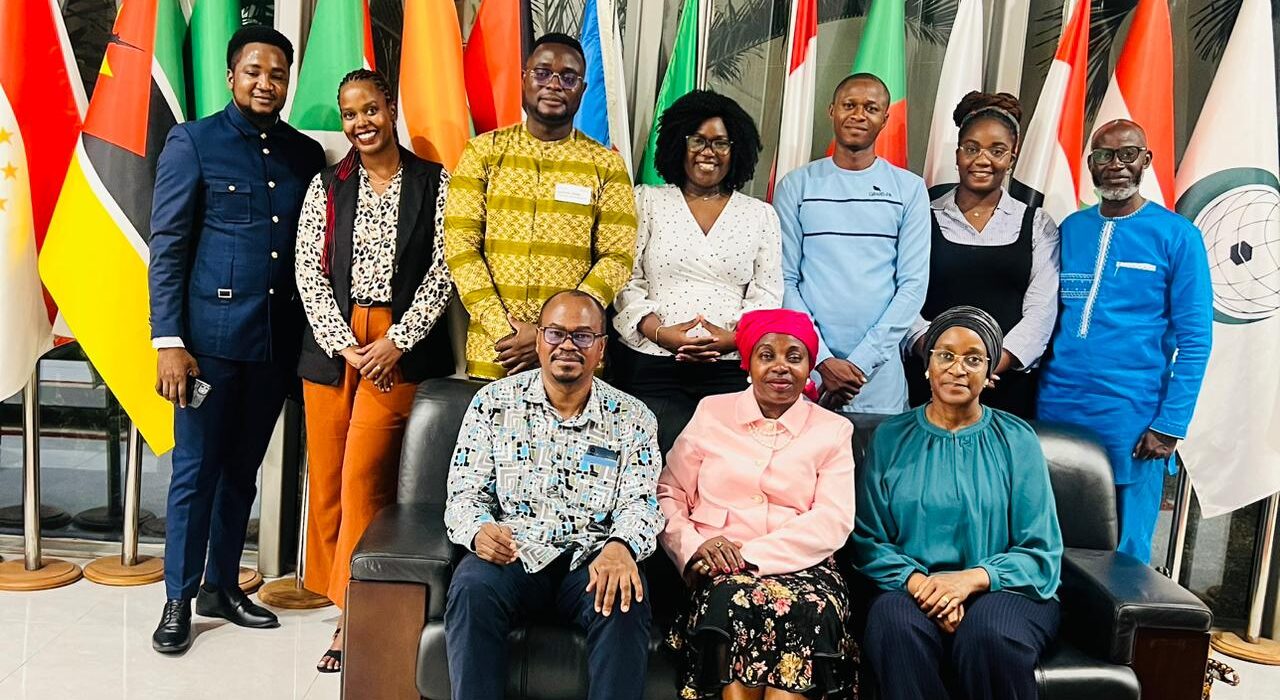
Kituo Cha Sheria, with support from the Grassroots Justice Network, joined a distinguished delegation of justice actors at the African Regional Forum on People-Centered Justice, held alongside the 85th Ordinary Session of the African Commission on Human and Peoples’ Rights (ACHPR) in Banjul, The Gambia.

The delegation brought together leading organisations, including ISA WALI Empowerment Initiative, Lady Ellen Women’s Aid Foundation, LRC-Ghana, African Centre of Excellence for Access to Justice, Natural Justice, and Muleide, in a shared effort to advance people-centred justice across the continent.

Delegates pose for a photo during the session in The Gambia.

The forum served as a vital platform for strengthening collaboration and showcasing collective progress towards Sustainable Development Goal 16+, with particular emphasis on building peaceful, just, and inclusive societies. Special recognition was given to the Pathfinders for Peaceful, Just and Inclusive Societies for their leadership and coordination in advancing the global people-centred justice movement.

On the sidelines of the forum, the Grassroots Justice Network delegation, including Kituo Cha Sheria and the African Centre of Excellence for Access to Justice, held a strategic engagement with Commissioner Dr. Litha Musyimi-Ogana. The discussions reaffirmed a shared commitment to legal empowerment and the promotion of Alternative Justice Systems (AJS) as a practical and community-driven pathway to justice delivery across Africa.

Delegates during a strategic engagement session with Commissioner Dr. Litha Musyimi-Ogana.

Drawing lessons from the slow implementation of Kenya’s National Legal Aid Act, the delegation urged African states to accelerate legal empowerment reforms and invest in AJS as inclusive mechanisms that expand access to justice for all, particularly marginalised communities.

The delegation also expressed optimism that the ACHPR will adopt a resolution advancing legal empowerment and Alternative Justice Systems, in a bid to safeguard and promote Africa’s indigenous knowledge systems and strengthen people-centred justice approaches across the continent.

Kituo Joins UNDP Talks on People-Centred Justice

Kituo Cha Sheria took part in a global dialogue on the future of justice systems through the UNDP Frontline Talks on “Justice and Security that Put People at the Centre.”

The organisation’s Executive Director, Dr. Wambua Kituku, joined leading experts, practitioners, and policymakers from across the world in a high-level exchange focused on reimagining how justice and security systems can better serve people. The discussions centred on a shared global priority: moving away from institution-centred approaches and instead advancing justice models that are accessible, inclusive, and responsive to the real needs of communities.

During the talks, Dr. Kituku shared practical insights drawn from Kituo Cha Sheria’s work in promoting access to justice for marginalised and vulnerable groups. He emphasised that justice systems must not only exist in law and policy, but must be felt in everyday life through fair processes, timely responses, and meaningful inclusion of the people they are meant to serve.

The conversation highlighted key strategies for strengthening the rule of law while ensuring that justice remains firmly human-centred and equitable. Participants underscored the importance of collaboration between governments, civil society, and international partners in building systems that are not only efficient, but also trusted and people-driven.

The UNDP Frontline Talks, convened by the United Nations Development Programme (UNDP), continue to serve as a critical global platform for dialogue, knowledge exchange, and collective problem-solving. They bring together diverse stakeholders committed to reimagining justice and security for the 21st century anchored in dignity, inclusion, and fairness for all.

Strengthening institutional integrity to protect Kenya’s civic freedoms

In Kenya, civic space has undergone significant changes, often shaped by the way the state allocates and controls funding. These shifts can influence how civil society organizations operate, at times restricting freedoms and affecting public trust. Understanding these dynamics is essential to ensuring that civic engagement remains meaningful and protected from undue influence.

Strong and independent institutions are essential for creating an environment where rights are respected, accountability is upheld, and citizens can participate freely in governance. By reinforcing institutional integrity, societies can build resilient democracies that are inclusive, transparent, and capable of earning public trust.

Dr. Wambua Kituku, Executive Director of Kituo cha Sheria, addressing participants at the summit.

At the 5th Civil Space Protection Summit held in Nakuru, Kituo cha Sheria Executive Director, Dr. Wambua Kituku, took center stage during the Economics & Institutional Integrity Jam Session, delivering a compelling address on the same theme. Dr. Kituku emphasized that robust, independent institutions are critical to protecting civic freedoms and sustaining public trust noting the critical link between institutional integrity and citizens’ confidence in governance.

 “When institutions operate free from undue influence, they become the backbone of a thriving democracy.” Dr. Wambua Kituku, Executive Director, Kituo cha Sheria

The Annual Civic Space Protection Summit brought together a diverse assembly of delegates from CSOs, NGOs, youth movements, and government agencies under the theme “Reclaiming Civic and Democratic Space Amid Shrinking Freedoms.” The forum provided a critical platform to examine the mounting pressures facing civic freedoms in Kenya, amplify the voices and experiences of human rights defenders, and collectively craft strategies aimed at safeguarding democratic space. It also underscored the urgency of strengthening institutional independence and rebuilding public trust as essential pillars for a vibrant and resilient civic environment.

The Civil Space Protection Summit underway in Nakuru.

Drawing from Kituo’s experience in promoting access to justice and defending human rights, Dr. Kituku underscored that safeguarding civic space requires more than legislation; it demands active enforcement, transparency, and mechanisms that hold institutions accountable. He stressed that independent institutions not only protect individual rights but also foster an environment where civic engagement and public discourse can flourish safely.

The session resonated with participants, reinforcing the idea that economic development, public trust, and civic freedoms are deeply intertwined with institutional integrity. By investing in and protecting independent institutions, societies can ensure that civic space remains vibrant, inclusive, and resilient against encroachments.

Kituo cha Sheria Secures Court Order to Restore Medical Services for Inmates

Kituo cha Sheria filed a constitutional petition challenging the suspension of medical services for persons in lawful custody at Mbagathi Hospital. The suspension risked denying inmates access to essential healthcare, contrary to Article 43 (right to health) and Article 51 (rights of persons in custody) of the Constitution of Kenya. The petition followed Mbagathi Hospital’s decision to suspend treatment for inmates due to an unpaid debt of over KSh 12 million owed by the State Department for Correctional Services.

On 8th September 2025, the High Court at Milimani, presided over by Justice Bahati Mwamuye MBS, issued a conservatory order compelling Mbagathi Hospital to immediately resume admitting and treating inmates referred to it, whether for emergency or non-emergency cases.

The Court also directed the Kenya National Commission on Human Rights and the State Department for Correctional Services to make a substantial payment of not less than KES 10 million within 14 days to settle part of the outstanding debt owed to Mbagathi Hospital.

Justice Mwamuye emphasized that persons in custody retain their fundamental rights and freedoms under the Bill of Rights, except where limitations are compatible with incarceration. He further noted that denial of medical care amounts to cruel, inhuman, and degrading treatment.

Through this petition, Kituo cha Sheria reaffirms its commitment to defending constitutional rights and ensuring dignity and justice for vulnerable groups.

By; Rony Alal

Celebrating Katiba@15: Advancing Constitutionalism and Access to Justice

Kituo cha Sheria proudly joined Kenyans in commemorating 15 years since the promulgation of the Constitution of Kenya, 2010, under the theme “Fidelity to the Constitution; Securing Full Implementation.” Together with our partners, we marked this national milestone at the Methodist Resort with a vibrant celebration graced by former Chief Justice David Maraga, who offered reflections on the country’s progress and the challenges that persist in fully realising the Constitution’s promise.

Chief Justice Emeritus David Maraga delivering his speech during the Katiba Day celebration at the Methodist Church.

As part of our legal empowerment efforts, Kituo also hosted a free Legal Aid Clinic at our grounds, culminating in a colourful ceremony presided over by our Board Chairman, Mr. Justus Munyithya. The clinic provided an accessible platform for citizens seeking guidance on matters ranging from land and succession to labour rights, migration, and criminal justice. In addition, we distributed free copies of the Katiba, reaffirming its central role in protecting human rights and empowering citizens to demand accountability.

“As we celebrate Katiba Day, we are reminded that the Constitution’s promise is only fulfilled when every Kenyan especially the poor and marginalized can access justice with dignity. At Kituo cha Sheria, our mission has always been to stand with those left at the margins, empowering communities to know, claim, and defend their rights. Fidelity to the Constitution means turning its words into lived realities, and we remain committed to ensuring that justice is not a privilege for the few, but a guarantee for all.”  Mr. Justus Munyithya, Board Chair, Kituo Cha Sheria

Kituo cha Sheria Board Chairman, Mr. Justus Munyithya (centre), leading participants in the cake-cutting ceremony.

The Katiba@15 commemoration offered a moment of reflection on Kenya’s strides in deepening constitutionalism, strengthening devolution, and operationalizing the Bill of Rights, while also acknowledging persistent gaps in access to justice, public participation, and governance. It was equally a call to action, reminding all actors that the Constitution is not merely a legal document but a living covenant that must be safeguarded, respected, and fully implemented for the benefit of every Kenyan.

Supported by the Mott Foundation and Misereor, this occasion was both celebratory and reflective, a reminder of our collective journey in advancing constitutionalism and empowering communities to defend their rights. At Kituo, we remain steadfast in our mission to ensure that the promise of the Constitution translates into justice, dignity, and equality for all.

By; Rony Alal